
How to Light Your Wedding Ceremony: 6 Essential Tips
How to Get the Best Ceremony Light for Your Wedding Photos
Planning the lighting for your wedding doesn’t have to feel overwhelming. When you choose the right timing and placement, you create soft, flattering light that makes your photos look natural and timeless. Use these tips to make sure your ceremony has the best ceremony light possible.
1. Choose the right time of day
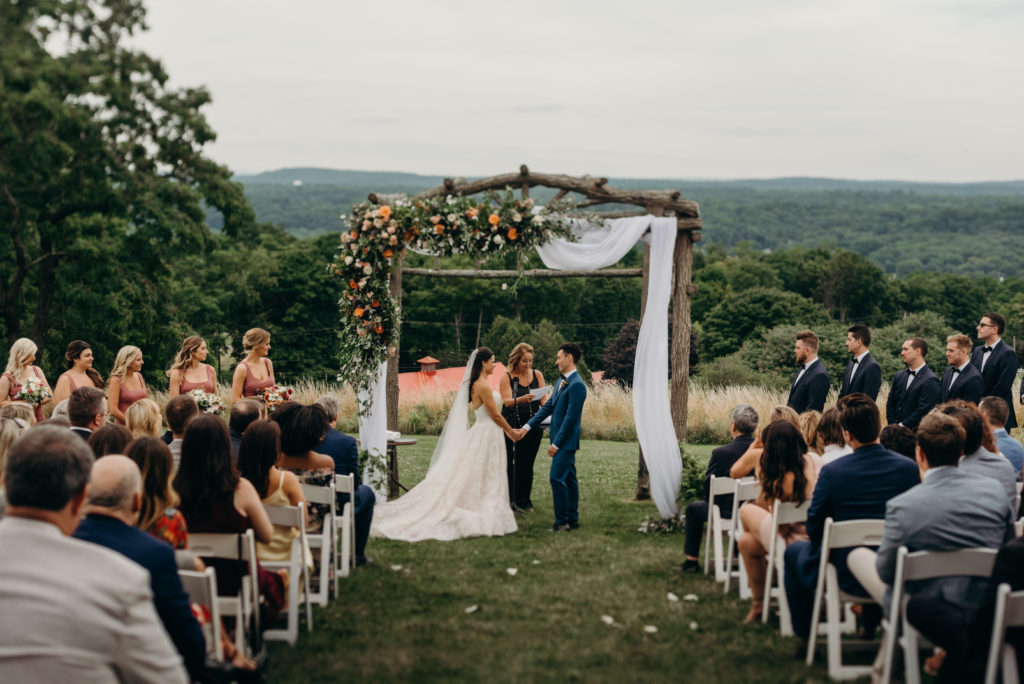
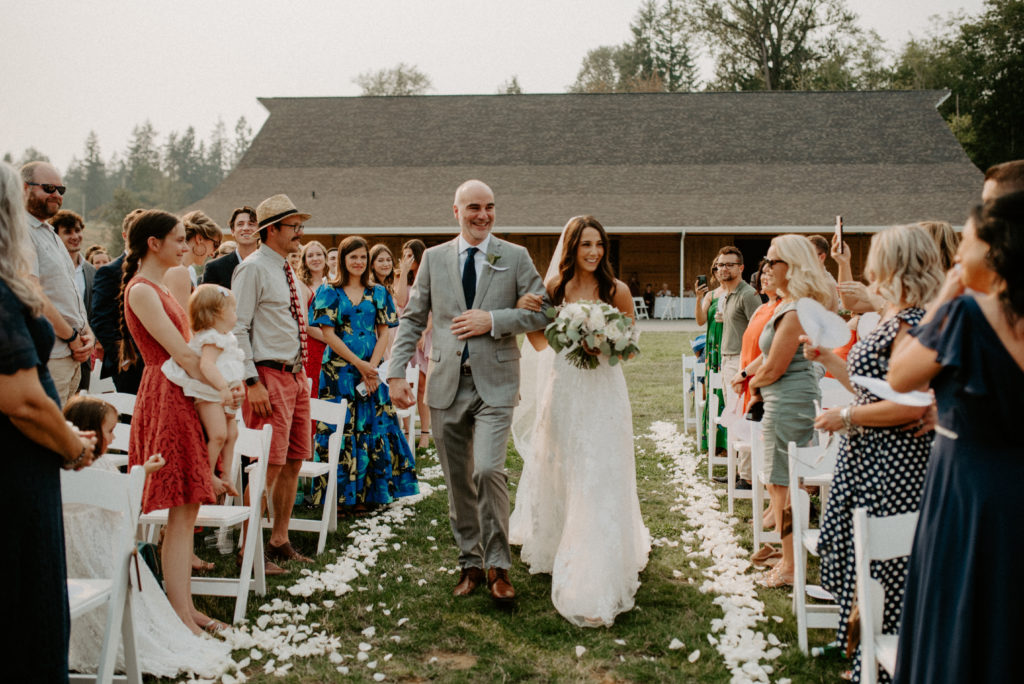
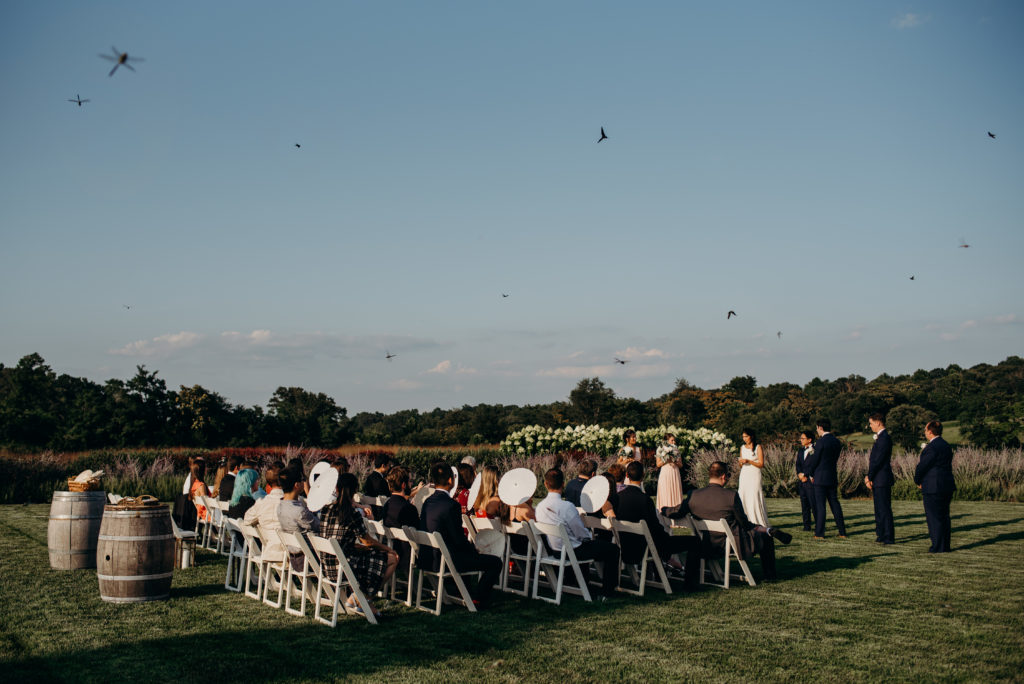
Schedule your outdoor ceremony for late afternoon or early evening instead of between 12 PM and 2 PM. When the sun sits high in the sky, it creates harsh shadows and causes squinting. Lower sun angles give you softer, more flattering light and help you achieve the best ceremony light for photography.
2. Position yourselves with the sun in mind
Place the ceremony so the sun falls either in front of you or behind you—not directly to the side. Side light puts one person in shadow and the other in full sun. Visit your venue at your ceremony time or use a sun-tracking app to see exactly where the light will land and plan for the best ceremony light.
3. Choose natural light for indoor spaces
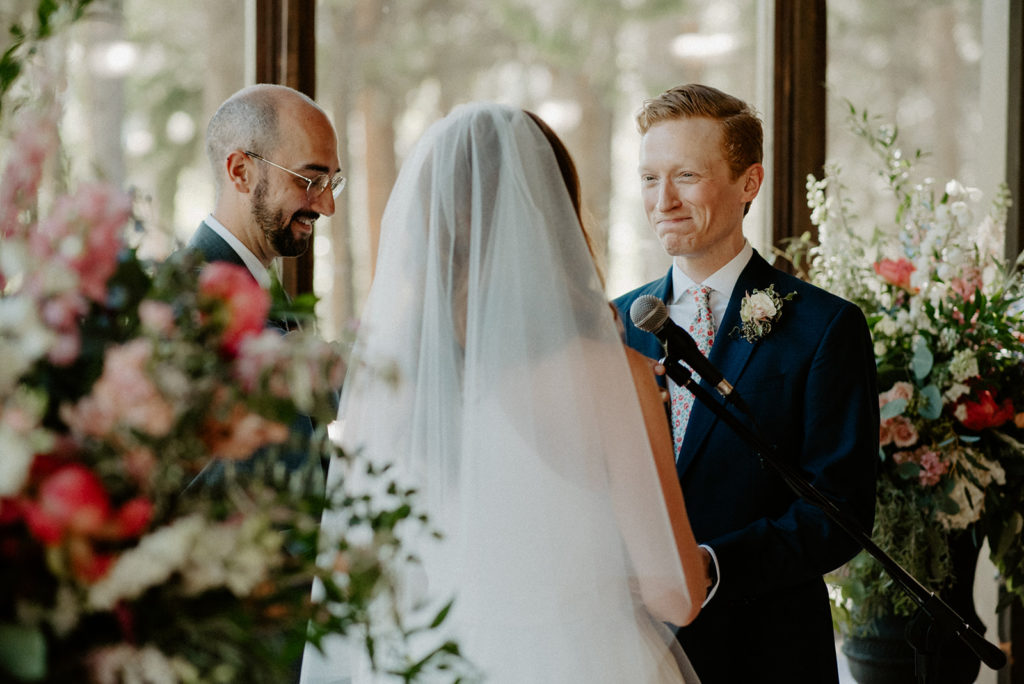
Select an indoor venue with large windows and abundant daylight. Natural light keeps skin tones accurate and colors clean. Avoid heavy orange or yellow overhead lighting, which can distort color and reduce your chances of getting the best ceremony light in your final images.
4. Host your ceremony outdoors when possible
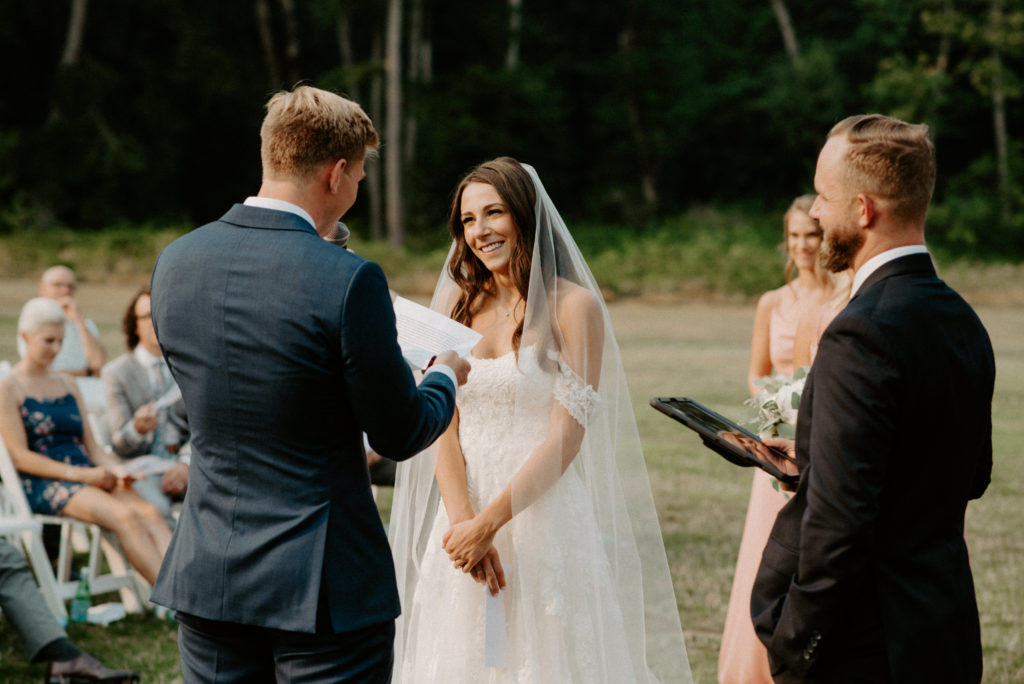
Plan an outdoor ceremony to naturally create the best ceremony light. Sunlight provides bright, even illumination that most indoor spaces can’t match. When you choose daylight, you reduce grain and shadows and give your photographer ideal conditions for clean, timeless photos.
5. Add professional lighting to dark venues
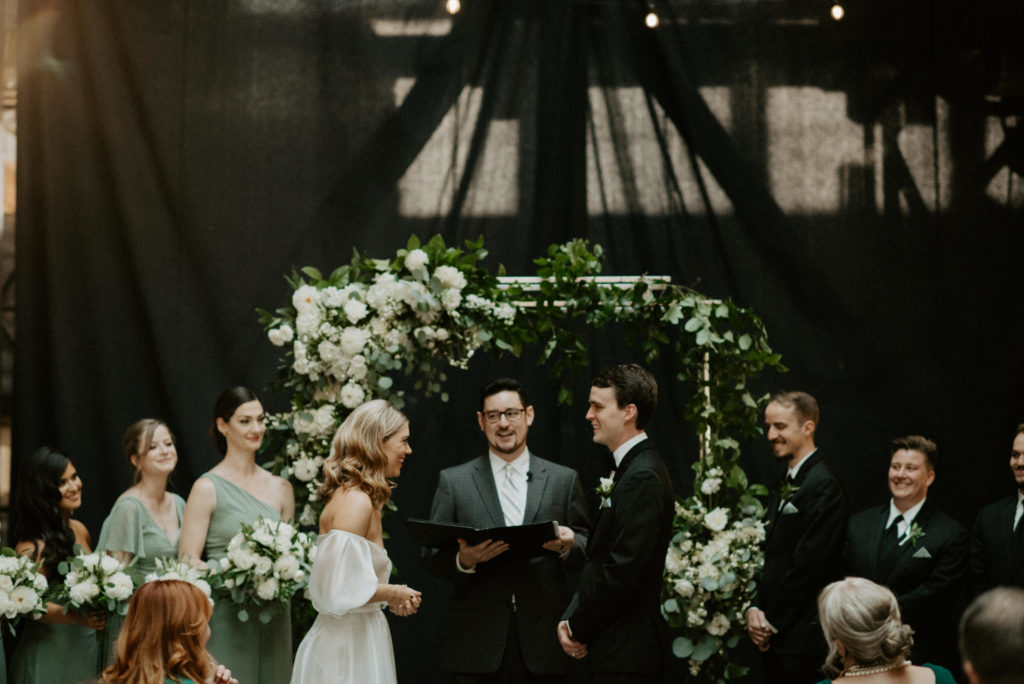
Hire a professional lighting team if your ceremony space lacks natural light. Soft draped lighting and uplighting can transform a dim room and help you achieve the best ceremony light even indoors.
6. Remember that photography relies on light
Photography captures light. When you prioritize the lighting for your ceremony, you allow your photographer to create clear, vibrant, and emotionally rich images that truly reflect your wedding day.
Final Thoughts on Lighting Your Ceremony
Many couples misunderstand what actually creates the most ideal lighting for photography. People often assume bright, sunny days automatically produce perfect lighting. In reality, direct midday sun creates harsh shadows and uneven exposure. While sunny weather looks beautiful in person, softer, diffused light often produces the most flattering and consistent results in photos.
Another common misconception is that any light is good light. In truth, different light sources have different color temperatures. Most indoor lighting runs warmer than natural daylight, which can add orange or yellow color casts to skin tones and clothing. To achieve the most even ceremony light, plan lighting that stays consistent in color temperature and avoid mixing harsh overhead lights with daylight when possible.
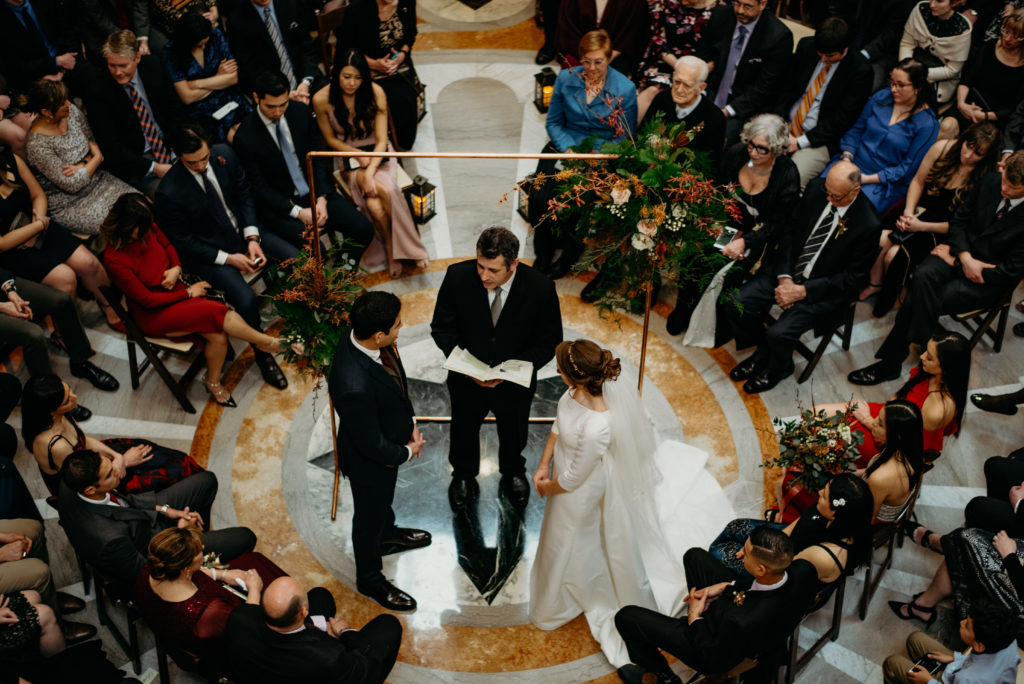
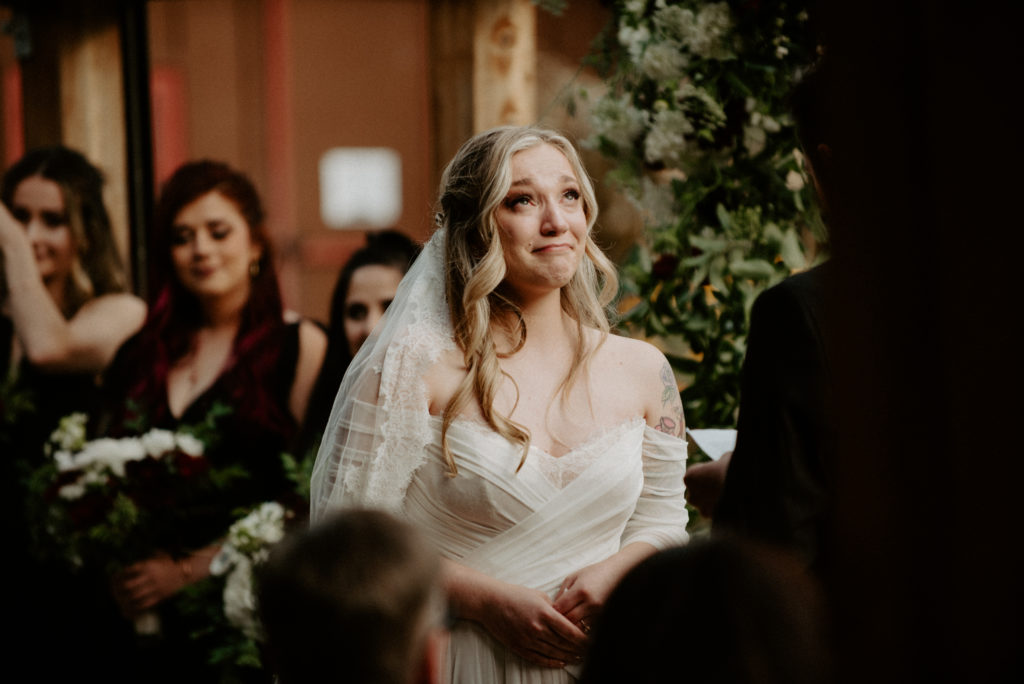
One of my favorite examples of beautiful ceremony lighting happened during an indoor conservatory wedding on a cloudy day. Because of the time of day and the large open windows, soft natural light filled the space and created incredibly even, flattering illumination. You can see how well this setup created some great light here.
On the other hand, here’s an example of a ceremony where the lighting conditions were more challenging and less ideal, which shows how strongly light affects the final look of your images.
If you have any questions about how to plan your ceremony timing and lighting on your wedding day, leave them in the comments or reach out to me at he***@*************so.com — I’m always happy to help you plan lighting that will make your photos look their absolute best.