
The Ultimate Guide to Getting the Best Wedding Photos
A Thoughtful Guide to Planning for Beautiful, Emotional, and Stress-Free Wedding Photography
The “best” wedding photos look different for every couple. Some value candid emotion, some love editorial portraits, some prioritize family connection, and others care most about atmosphere and light. There is no single definition of perfect. The best images are the ones that reflect you, your relationships, and the way your day truly felt.
I created this guide to explain the “why” behind wedding photography recommendations. When you understand how timing, light, structure, and emotional flow work together, you can make confident decisions that lead to both a smoother wedding day and a stronger, more meaningful final gallery.
Great wedding photography doesn’t rely on luck or perfect weather. It relies on intentional planning. Structure creates freedom. A well-built timeline allows moments to unfold naturally, gives space for creativity, and removes unnecessary stress.
The Real Secret to Incredible Wedding Photos
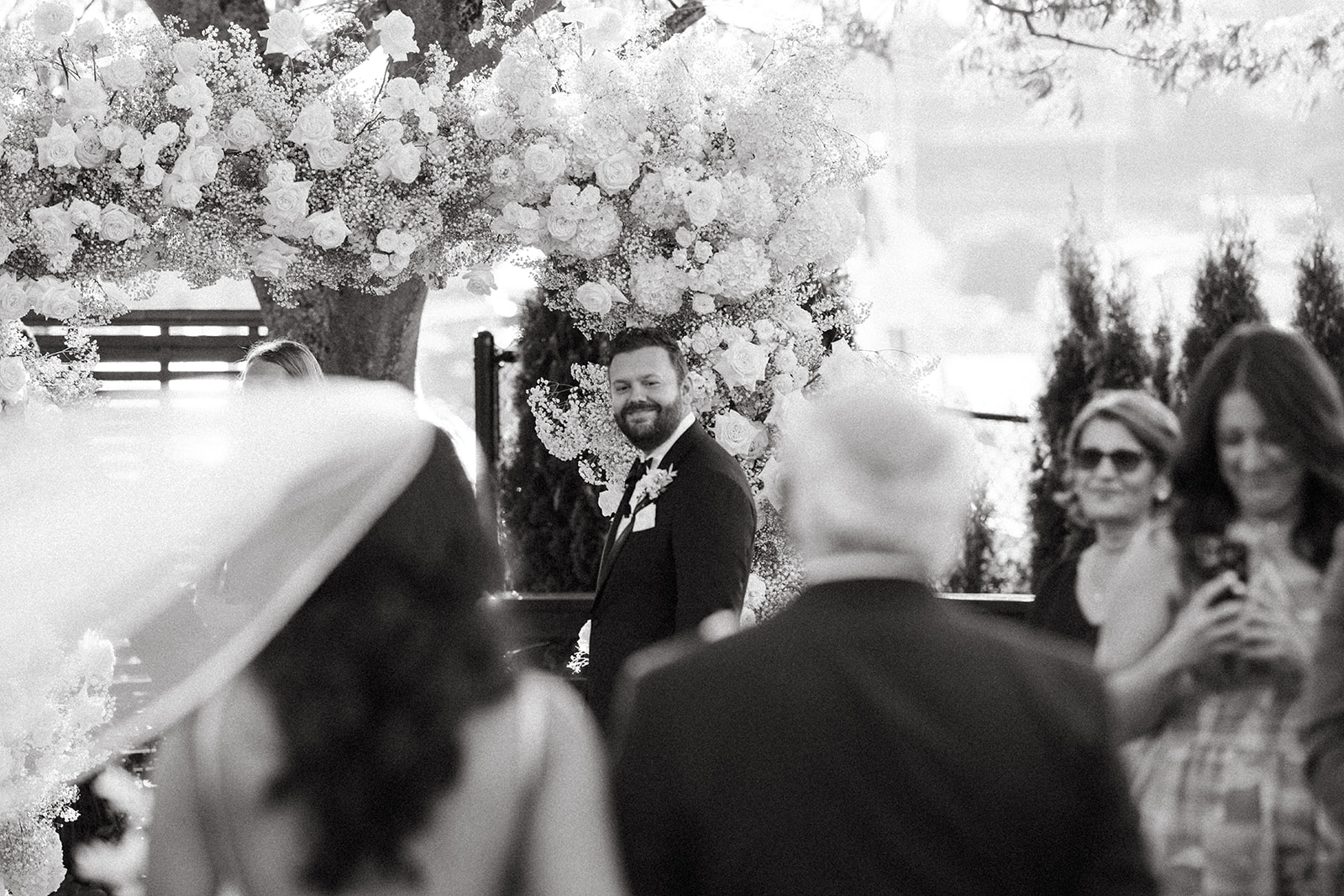
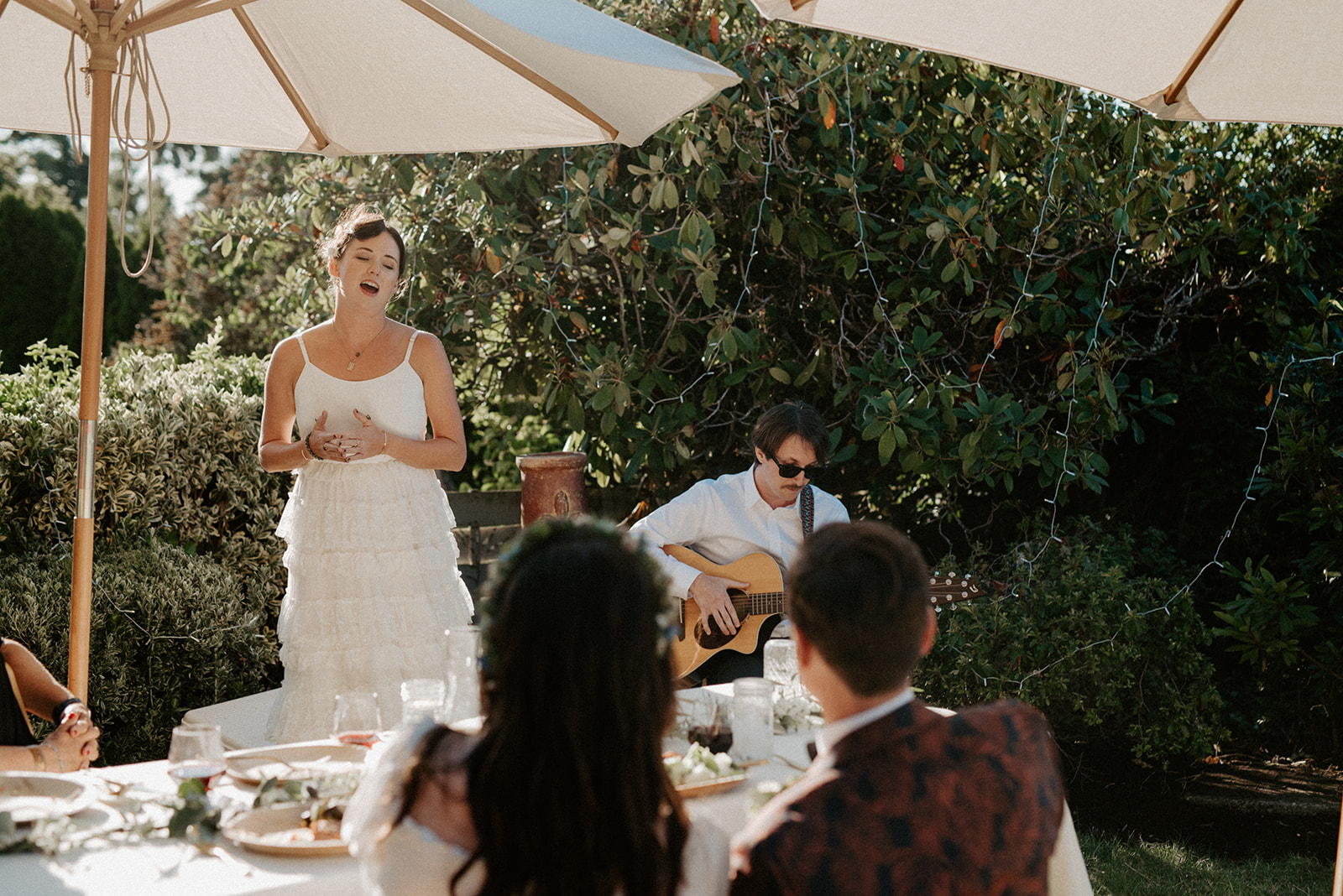
When your day has clear flow and breathing room, your photographer can focus on storytelling instead of logistics. Structure doesn’t remove spontaneity; it actually protects it. When the foundation is solid, moments can unfold naturally without stress or interruption. Planning gives you freedom, not restriction.
Building the Perfect Wedding Photography Timeline
Your timeline is the backbone of your entire photography experience. Here’s how to build one that supports beautiful light, calm energy, and complete storytelling.
1. Start with Your Ceremony Time
Your ceremony time is the anchor point for your entire wedding day. Everything else in your timeline builds around it. Once your ceremony start time is set, you can intentionally place each major photography moment in the flow of the day.
- Getting Ready so there is enough time for calm preparation, details, and emotional moments.
- First Look (if you choose to have one) so it happens in beautiful light and without rushing.
- Couple Portraits so they fall during the most flattering time of day.
- Family Photos so they happen when everyone is present and focused.
- Golden Hour so you can take advantage of the softest, most romantic light.
- Reception Events so entrances, toasts, and dances unfold smoothly without feeling compressed.
When your ceremony time acts as the foundation of your timeline, everything else can be placed with intention. This creates a natural rhythm to the day and ensures that each part receives the time, light, and attention it deserves.
2. Work Backwards for Light
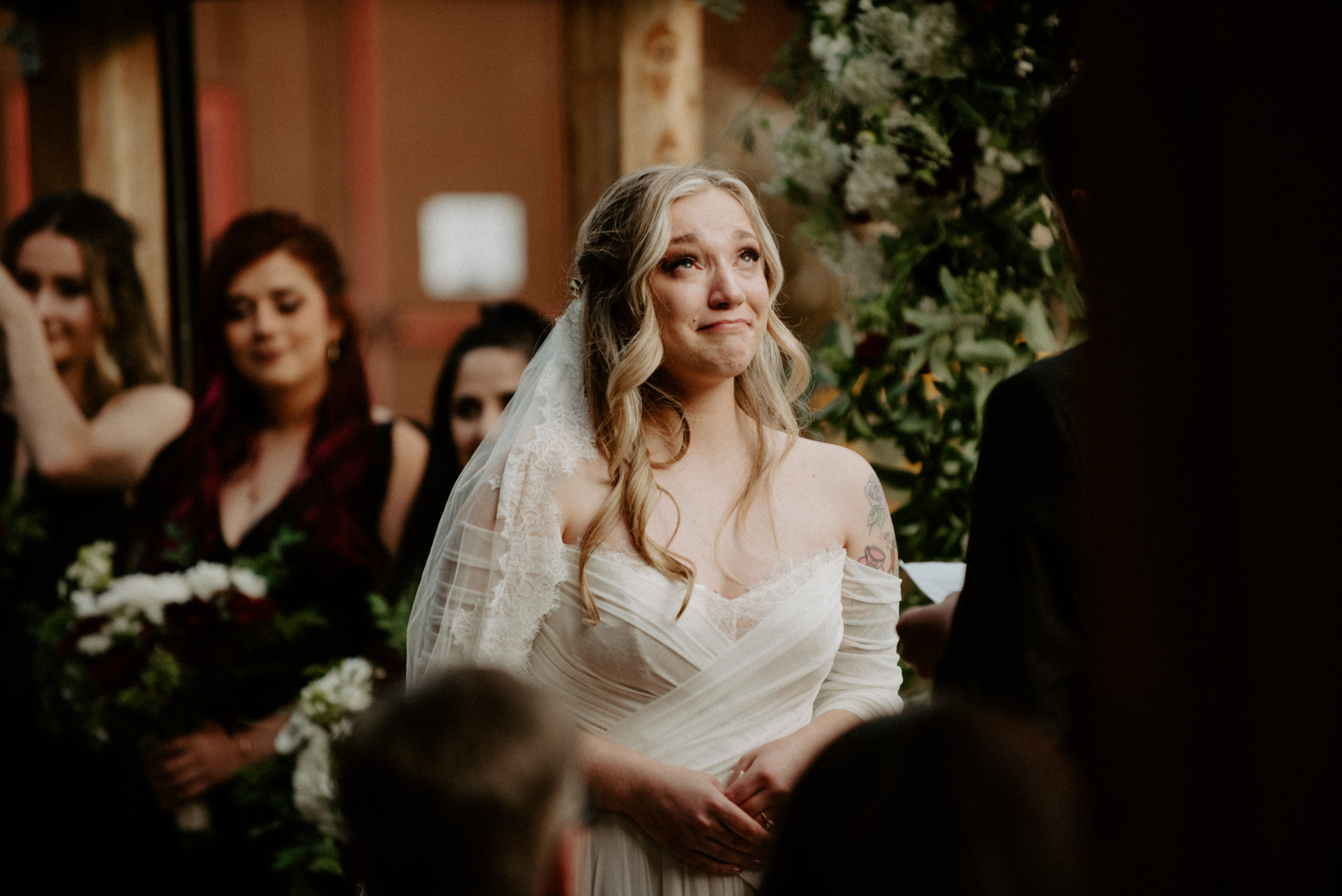
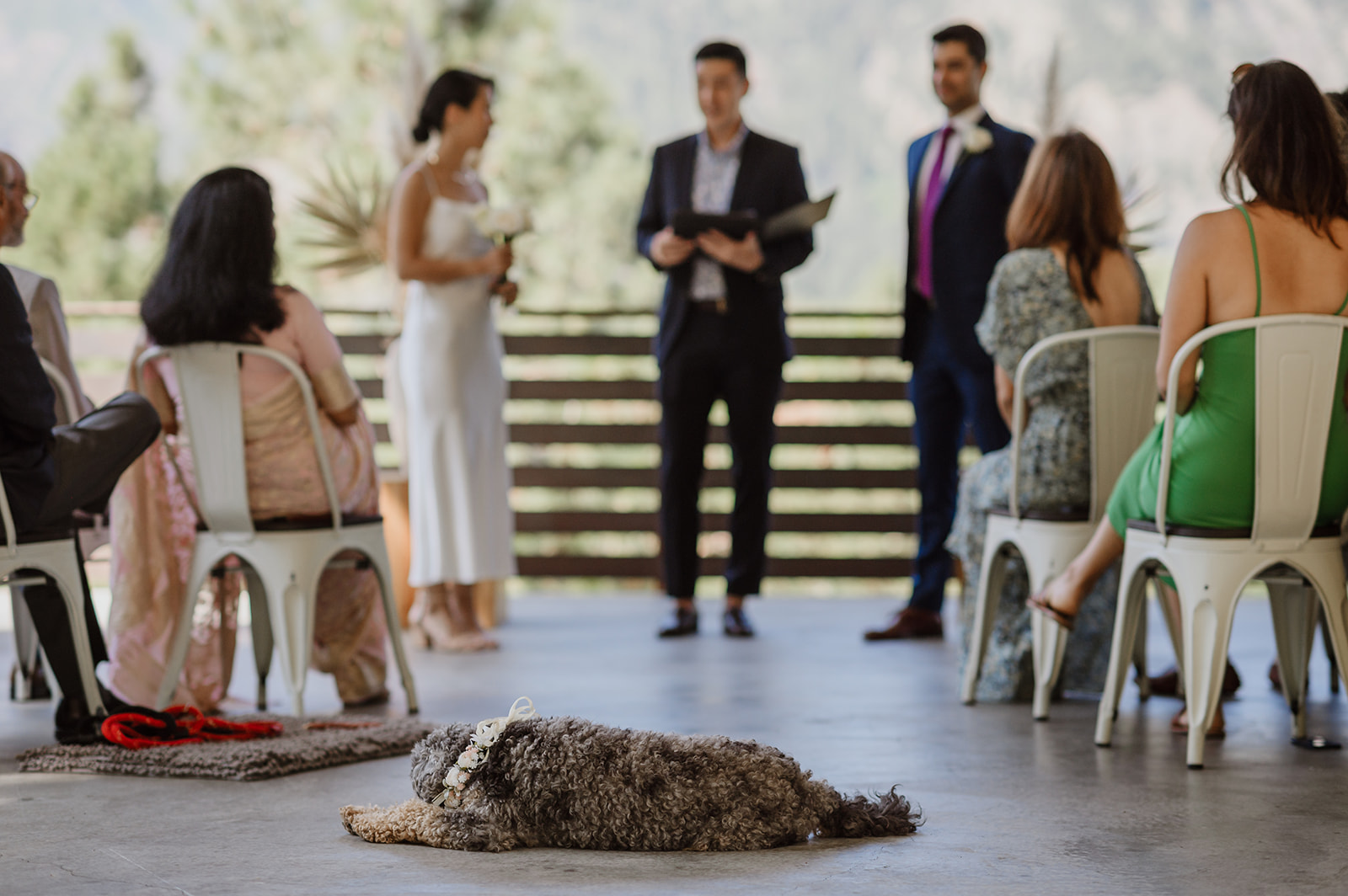
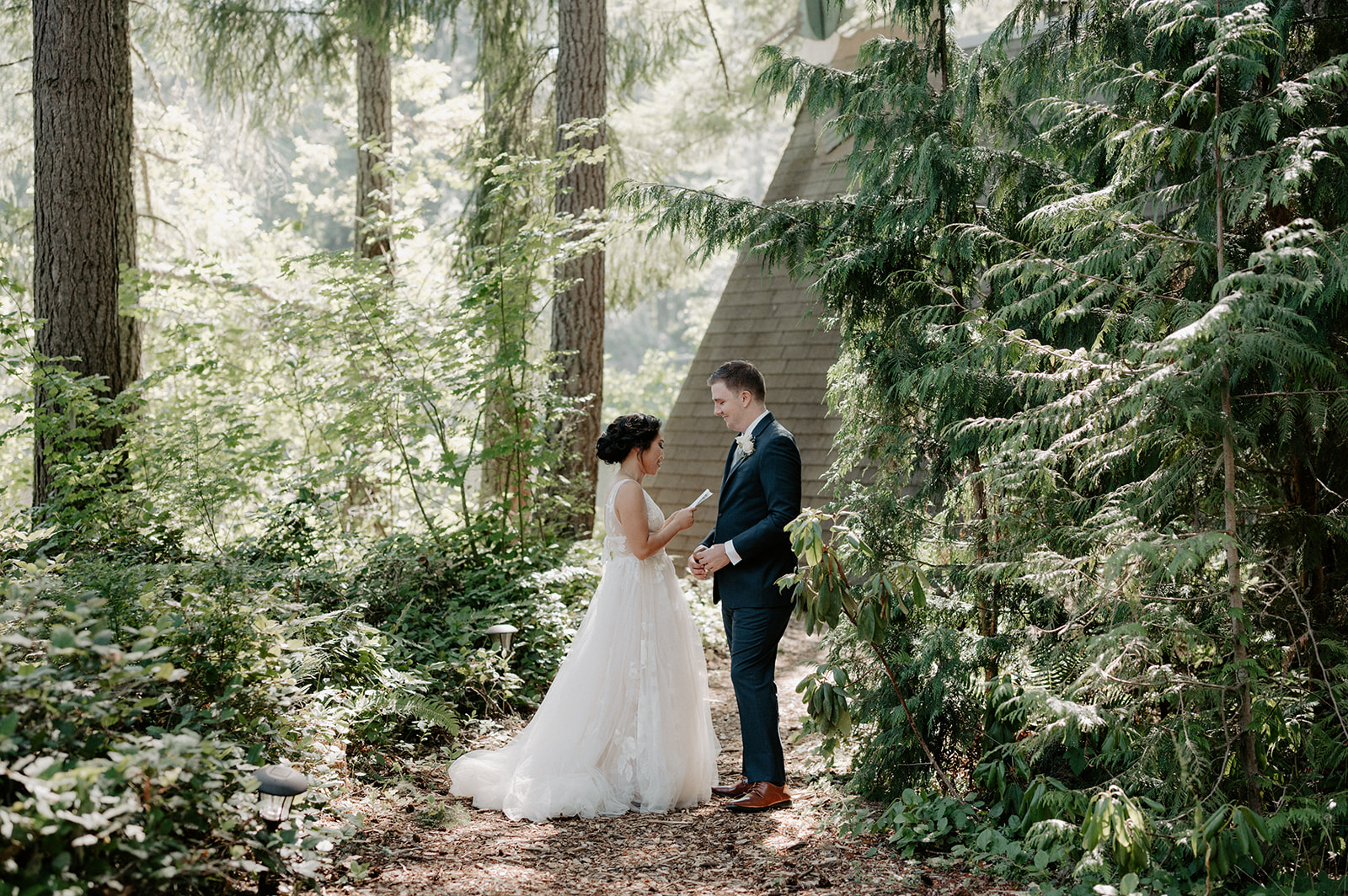
Light shapes everything in photography—mood, skin tone, contrast, and overall atmosphere. When you plan your timeline around the best light, your photos look softer, more romantic, and more true-to-life. Instead of fitting photos into whatever time is left, work backwards from the light you want and place your most important moments there.
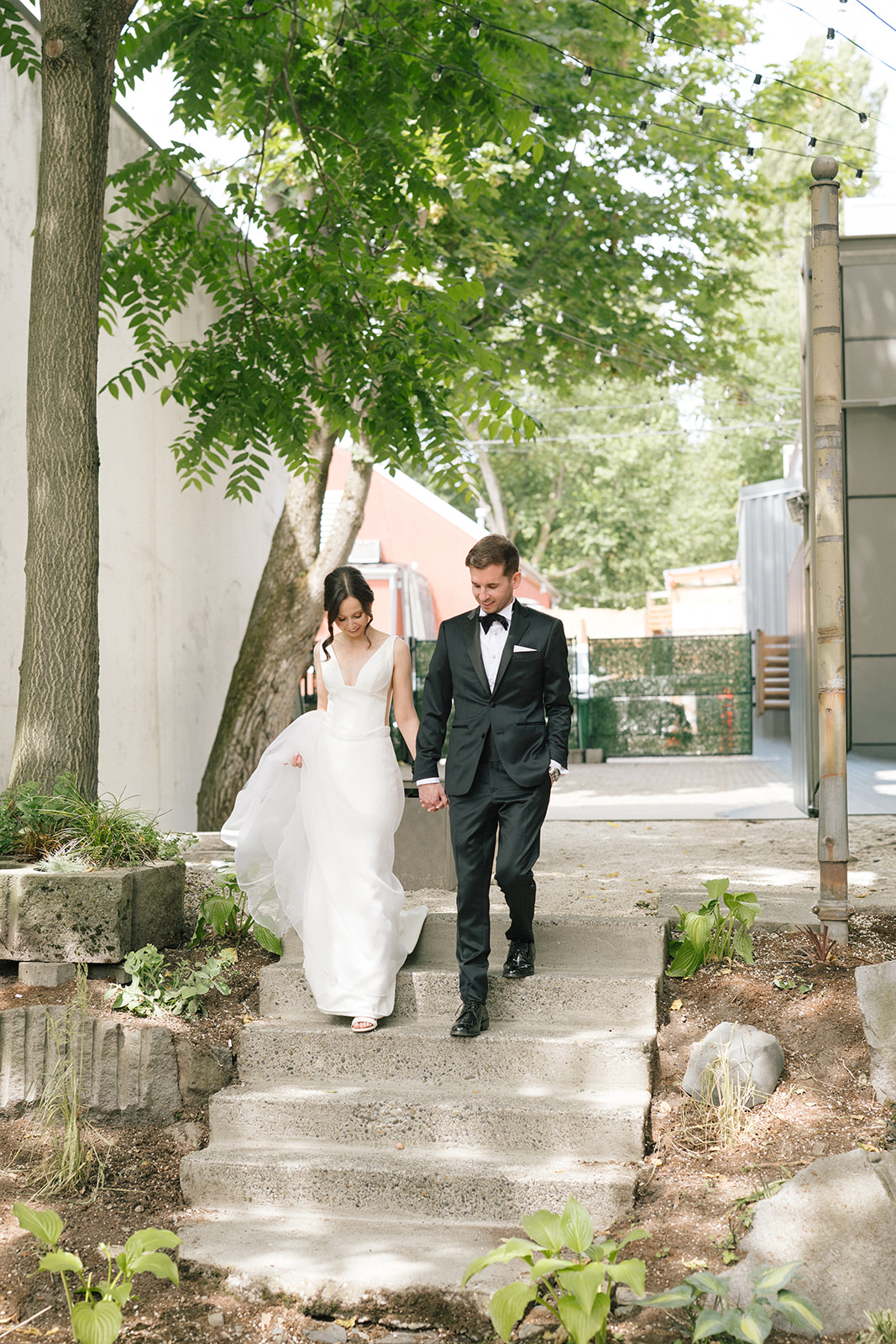
Schedule your couple’s portraits during golden hour or in open shade whenever possible. Golden hour provides warm, directional light that flatters skin tones and creates depth without harsh shadows. Open shade offers even, diffused light that keeps faces softly lit and expressions natural.
Avoid planning an outdoor ceremony during harsh midday sun if you can. When the sun is directly overhead, it creates strong shadows under the eyes and nose, causes squinting, and makes lighting uneven. Earlier or later in the day gives you softer, more forgiving light.
Make sure you are both evenly lit during the ceremony. Positioning matters. If one of you stands in direct sun while the other stands in shade, your photos will show dramatic exposure differences that are difficult to correct. Aim to have the light either evenly across both of you, or coming from the same direction for a balanced look.
When choosing an indoor ceremony space, prioritize large windows and abundant natural light. Window light creates soft, flattering illumination and keeps skin tones true. Spaces filled with natural light feel airy, emotional, and timeless in photographs, while dark rooms with heavy overhead lighting often create uneven color and harsher shadows.
By building your timeline around light first, you give your photographer the ideal conditions to create images that feel luminous, natural, and emotionally rich.
3. Protect Getting Ready Time
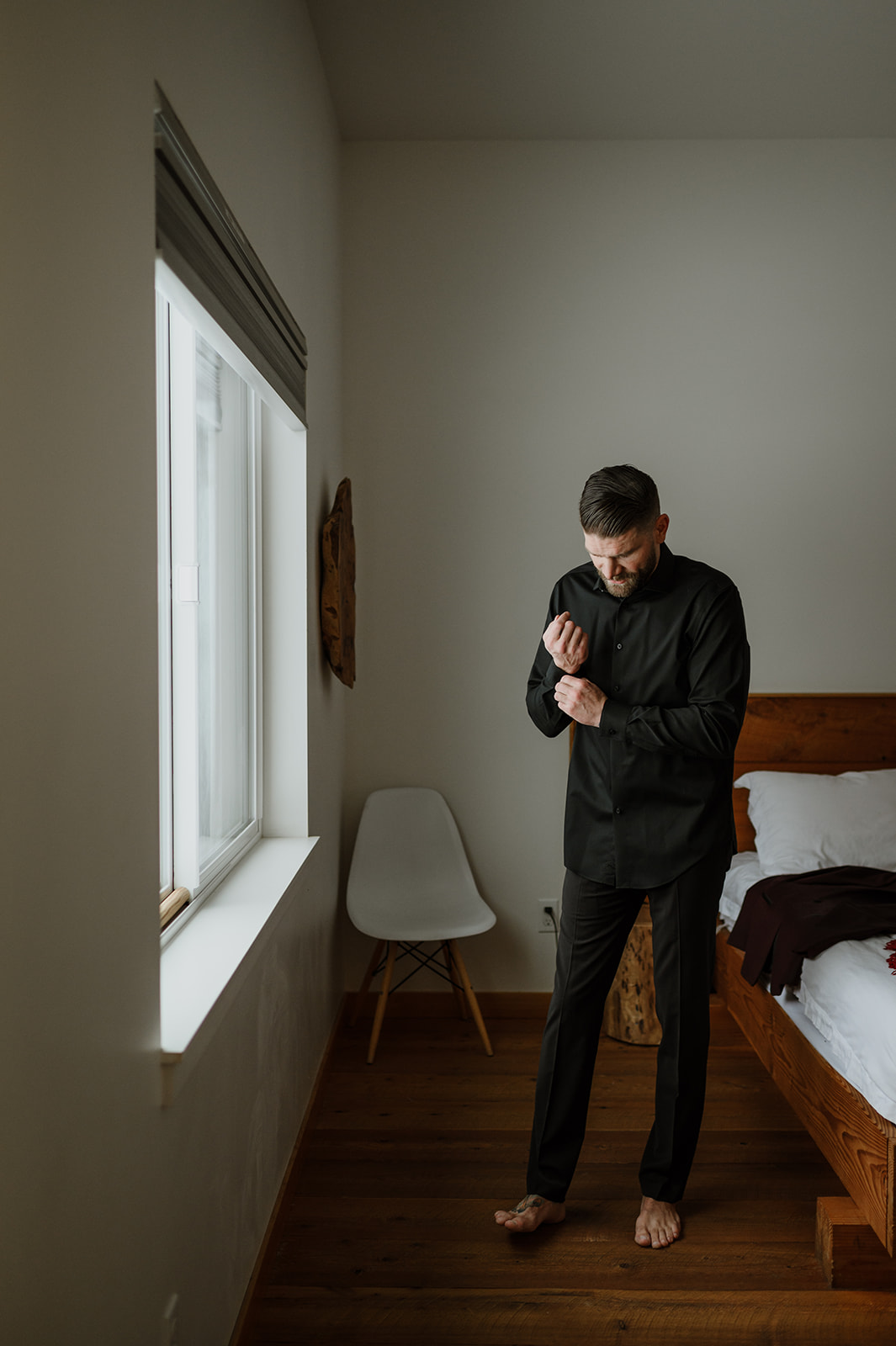
Build in enough time for each part of your morning so it can unfold slowly and intentionally, rather than feeling rushed or chaotic.
- Hair and makeup buffers are essential because styling almost always runs a little long. Extra time protects your timeline from stress if someone needs a touch-up, a style change, or a short break. When you aren’t watching the clock, your body stays relaxed and your energy stays grounded.
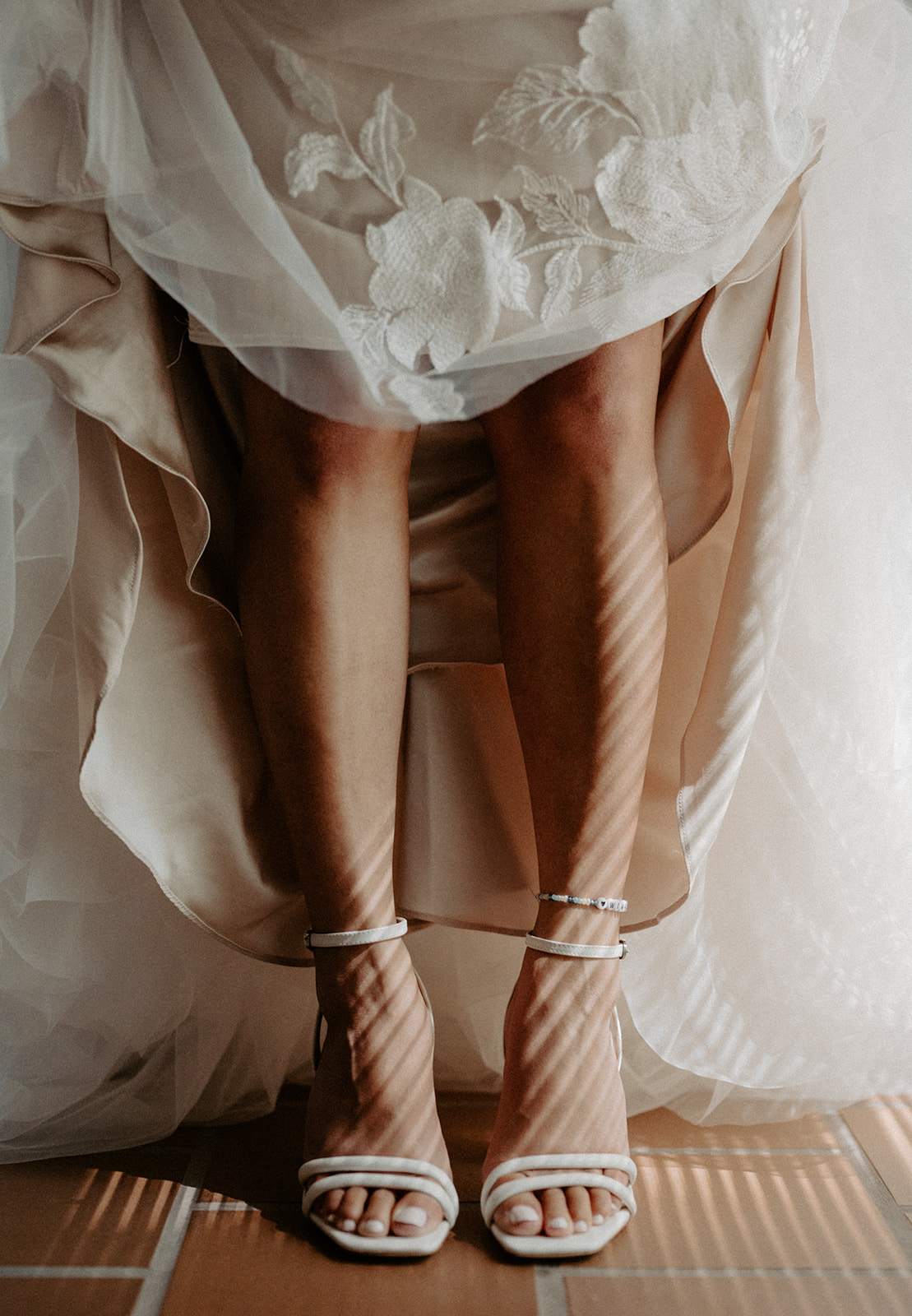
- Details and flat lays deserve dedicated time if you care about preserving the small, meaningful elements of your day—your dress, rings, invitation suite, heirlooms, and florals. When these are photographed calmly and in good light, they become part of your story instead of an afterthought squeezed in between tasks.
- Quiet emotional moments—like reading a letter, taking a breath with your parents, or sitting alone for a few minutes—help your nervous system settle. These pauses allow you to emotionally arrive in the day instead of feeling like you’re being carried through it.
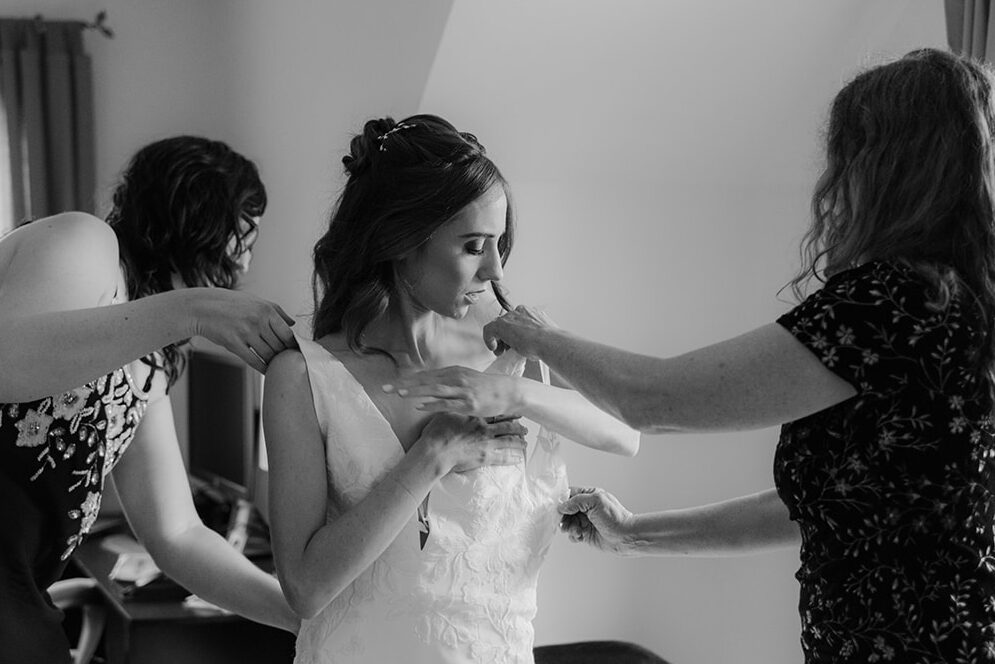
- Natural interactions with your people are what create the most genuine, story-rich photos. Laughter with your friends, hugs with your family, nervous excitement with your partner—these moments happen when there is space, not when everyone is rushing to the next item on the schedule.
A calm, unhurried morning sets the emotional tone for your entire wedding day. When your day begins with spaciousness instead of pressure, your energy stays centered, your timeline stays flexible, and your photos reflect ease, connection, and presence rather than stress.
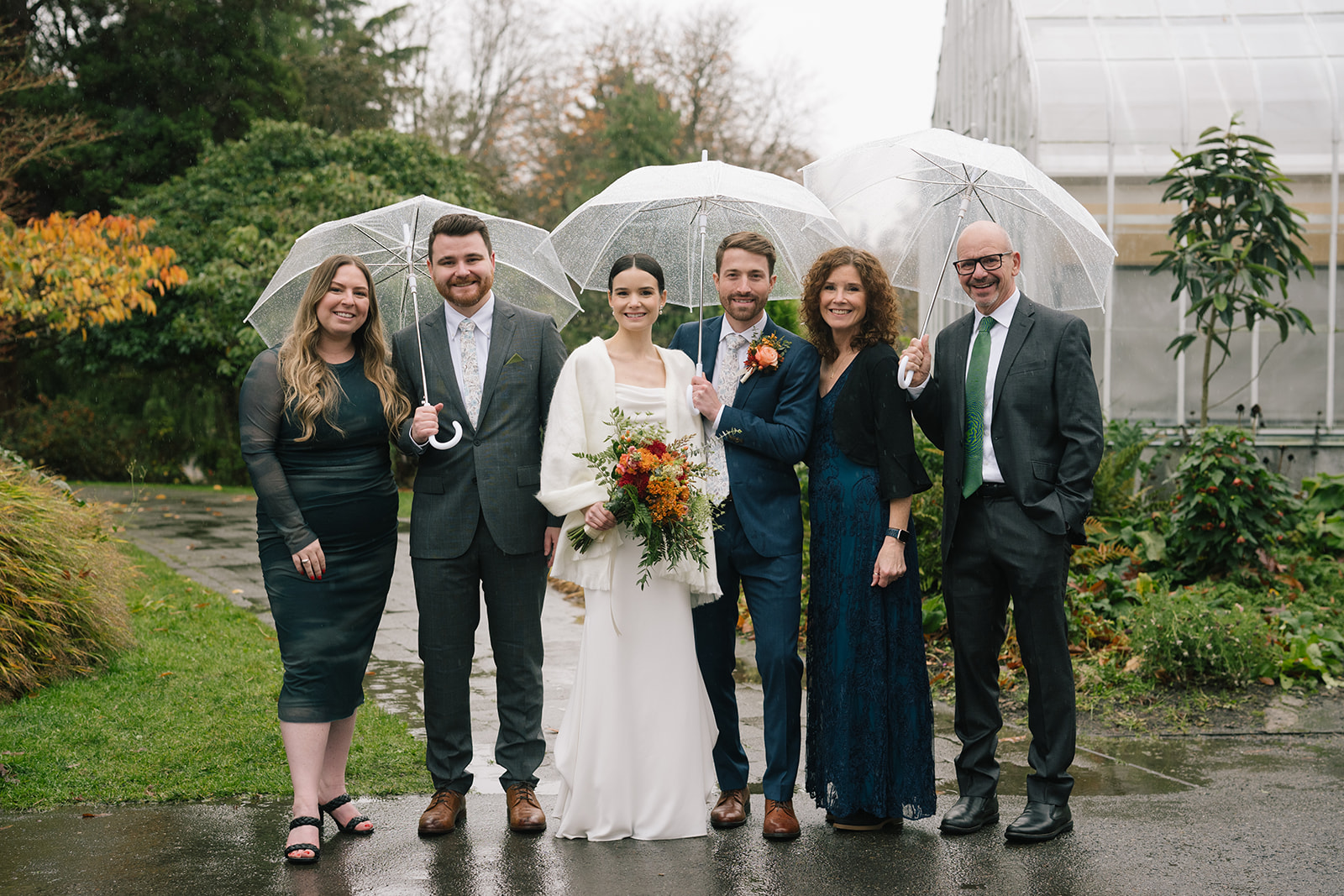
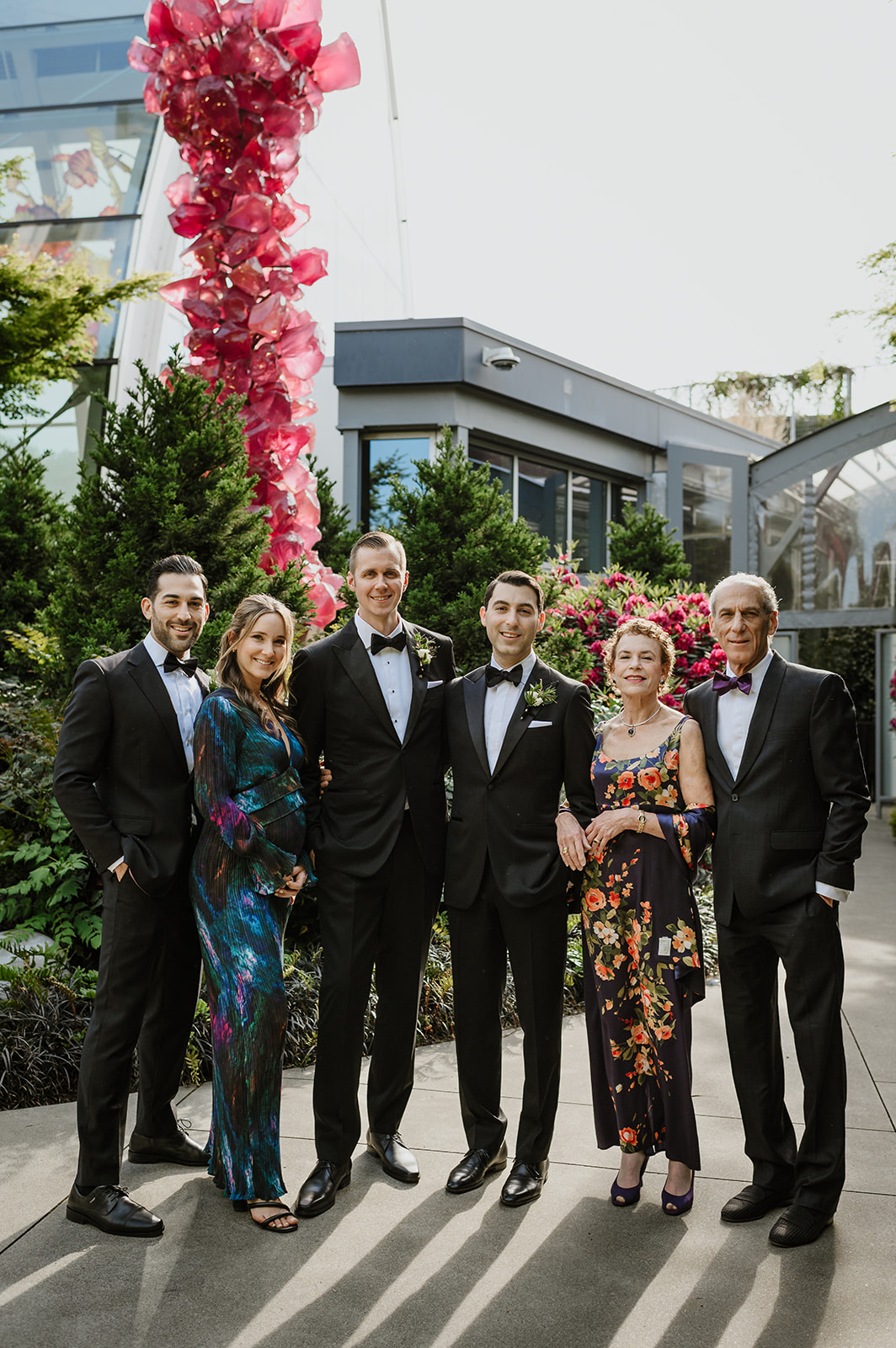
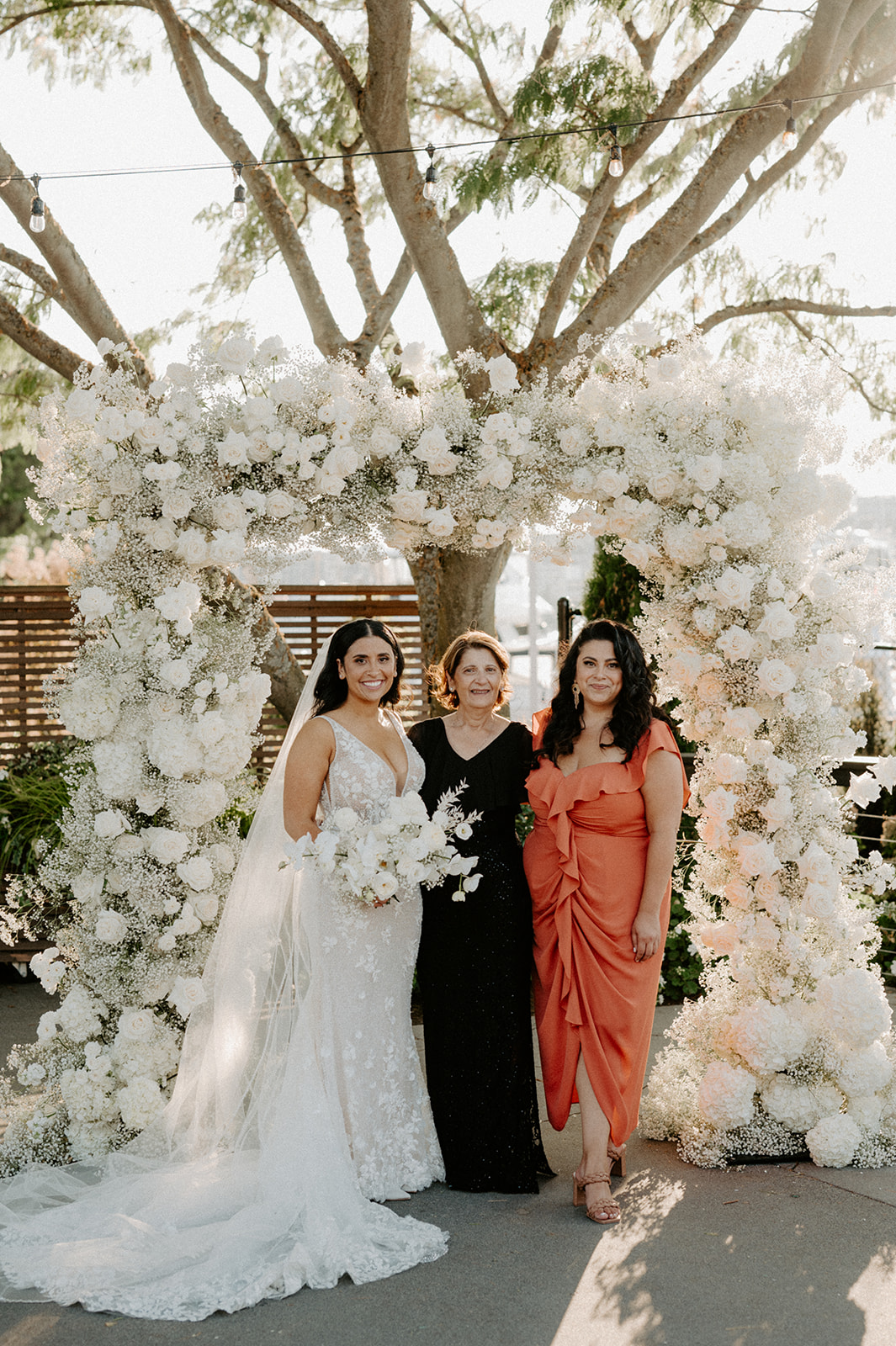
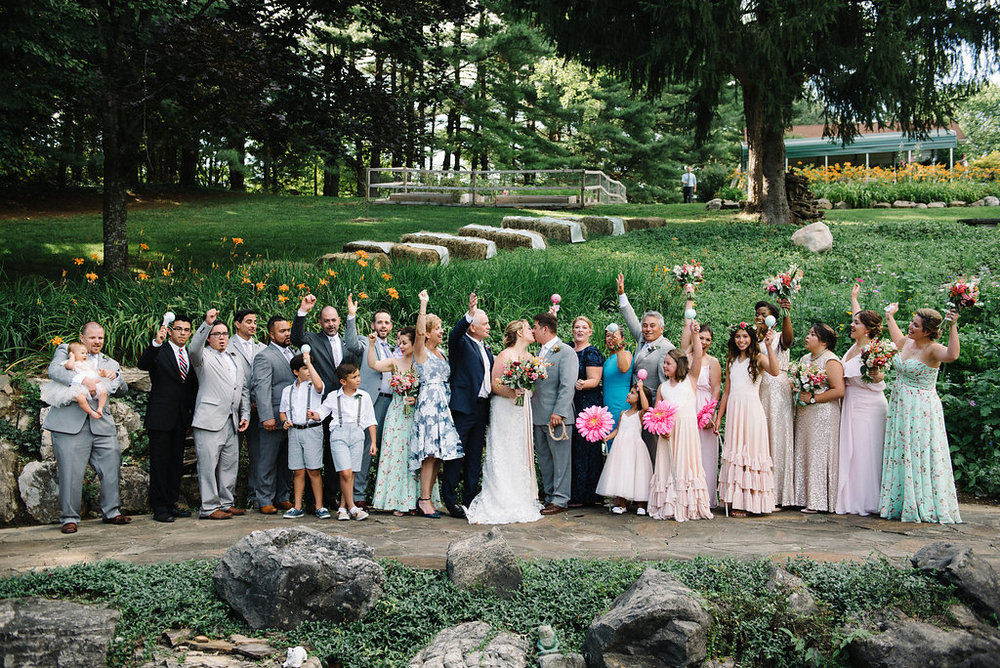
4. Plan Family Photos with Intention
Create a pre-written family photo list and assign a trusted helper to gather people when it’s time for formal portraits. This keeps the process organized, efficient, and emotionally smooth, especially when emotions are high and time is limited.
Keeping your family photo list relatively short is just as important as having one. Long, complicated lists can quickly eat into portrait time, increase stress, and pull you away from your guests during cocktail hour. When too many groupings are added, people wander off, communication gets confusing, and the process can start to feel rushed or chaotic.
A thoughtfully curated list ensures that you capture the most meaningful relationships without overloading the schedule. It allows your photographer to work quickly, keeps family members engaged, and preserves your energy for the moments that matter most. Fewer groupings also mean more time for relaxed couple portraits and candid moments, which ultimately leads to a calmer experience and a more natural, joyful gallery.
5. Add Buffer Time Everywhere
Building extra padding into your timeline creates space for your day to breathe, which directly affects how your photos look and how you feel.
- Space for emotions allows moments to fully land instead of being cut short. Whether it’s a parent getting emotional, a quiet pause before the ceremony, or a joyful reaction during a first look, these moments need time to unfold naturally in order to be photographed authentically.
- Flexibility for delays protects your peace. Hair and makeup can run long, transportation can be slow, family members can wander off. When your schedule includes buffer time, these small delays don’t create panic or pressure—they simply get absorbed without stress.
- Room for creativity gives your photographer the freedom to work with light, composition, and movement instead of racing the clock. When there is time to explore locations, adjust angles, and wait for the best light, your images become more artistic and intentional.
- A relaxed pace keeps your body and face at ease. Tension shows up in posture, expression, and energy. When you aren’t rushed, you breathe more deeply, your shoulders drop, and your photos reflect calm and connection instead of urgency.
Rushing is the biggest enemy of beautiful photos because it compresses emotion, limits creativity, and introduces stress into every frame. A spacious timeline creates the conditions for images that feel natural, emotional, and timeless.


6. Reserve Golden Hour Portrait Time
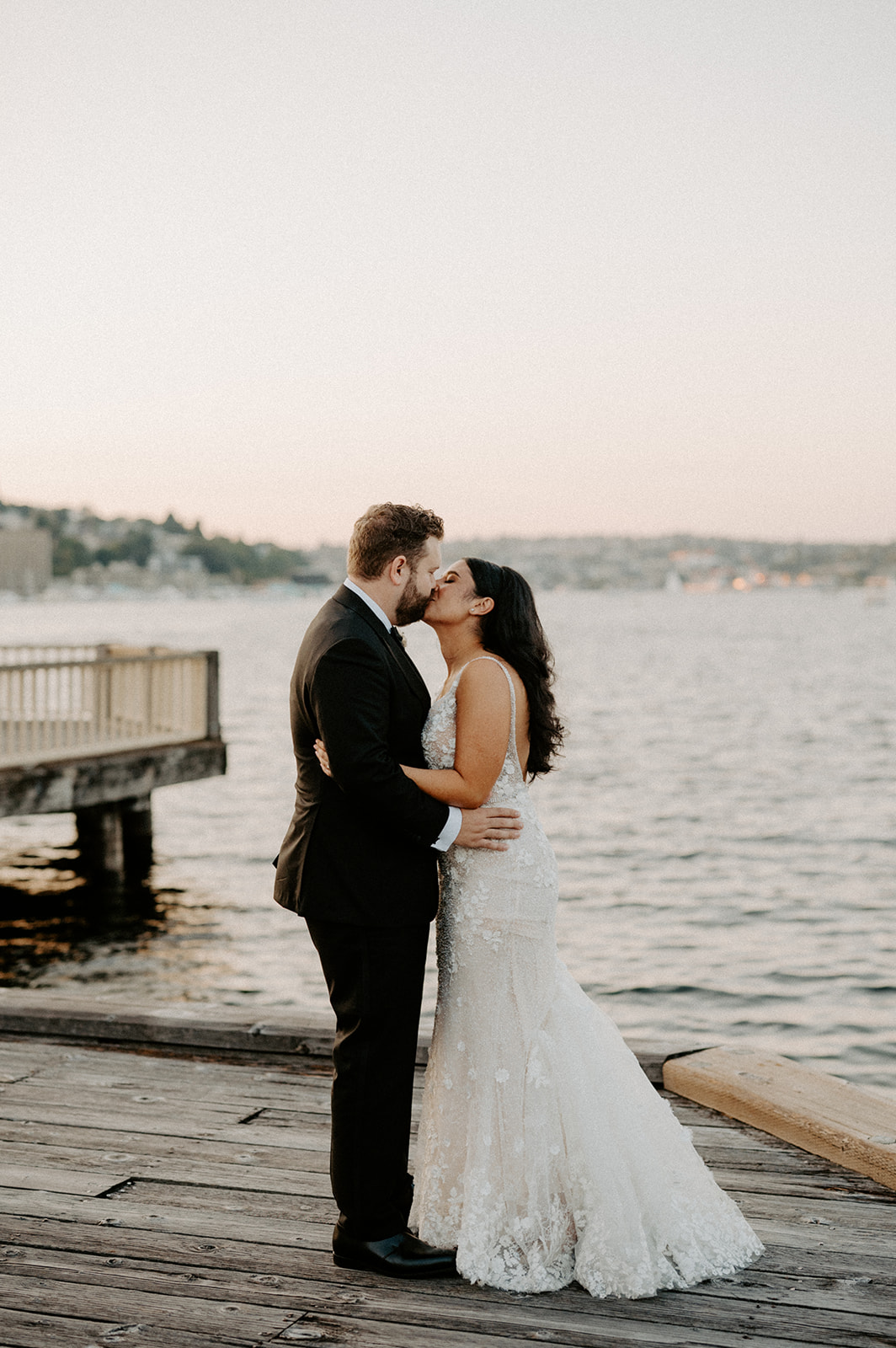
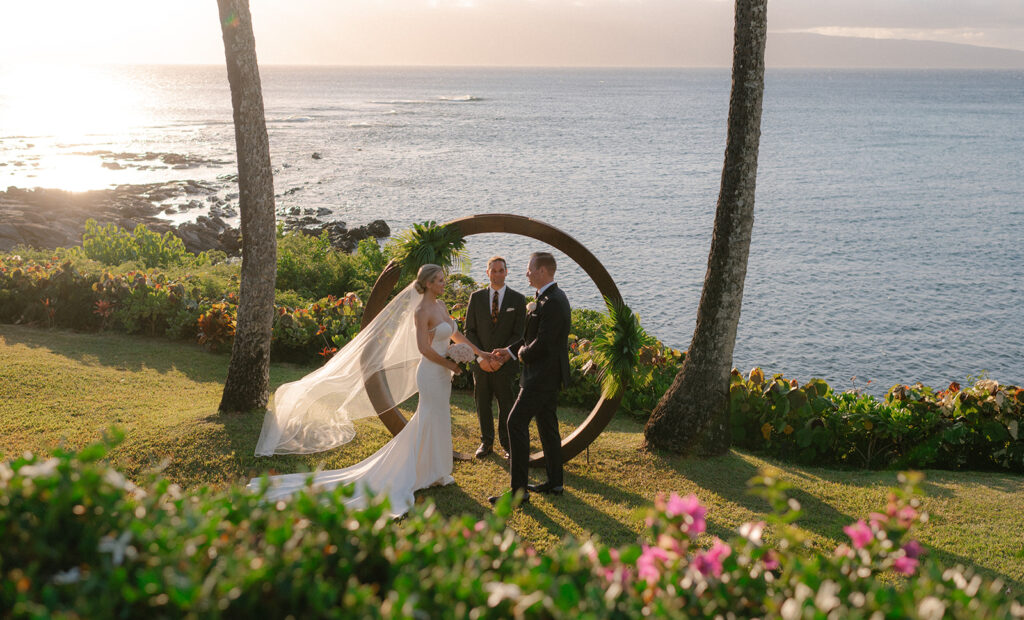
Golden hour is the most flattering natural light of the entire day. The sun sits low in the sky, creating soft, warm, directional light that smooths skin, adds depth, and brings a romantic glow to your images. Even setting aside just 10–15 minutes during this window can dramatically elevate the look and feel of your entire gallery.
This short break allows your photographer to create portraits with richer color, gentler shadows, and a sense of atmosphere that simply isn’t possible at other times of day. Golden hour portraits often become the most emotional and visually striking images from the wedding, and they provide a quiet, grounding pause for the two of you to step away from the celebration and reconnect before the evening continues.
Timing Shapes Your Entire Gallery
Time influences far more than just what fits into your schedule—it shapes how you look and feel in your photos. When you aren’t rushed, your body naturally relaxes. That physical ease shows up in your posture, your facial expressions, and the way you connect with the people around you.
A spacious timeline allows emotions to unfold. Quiet moments don’t feel interrupted. This emotional breathing room creates images that feel authentic and deeply connected rather than tense or hurried. When your day moves at a calm, intentional pace, your photos reflect presence, softness, and genuine emotion.
Light: The Invisible Ingredient
Photography is the art of capturing light. When light is soft, consistent, and directional, it creates:
- Natural, flattering skin tones
- Gentle, balanced contrast
- A romantic, emotional atmosphere
- Clean, true-to-life color
Thoughtful light planning greatly affects how your wedding photos look and feel throughout the day.
Consider the sun’s direction, choose window-filled spaces, and add professional lighting to keep illumination even and flattering.
When you plan your timeline and locations around light, you create ideal conditions for luminous, timeless, emotional images.
Click here for a free timeline template to help you plan your day around the best light.
Storytelling Is What Makes Photos Last
Beautiful images matter, but the story they tell together gives them lasting meaning. When your photographer observes instead of constantly managing or directing, your day unfolds naturally. Anticipation, quiet in-between moments, deep connection, and joyful celebration flow together to create an honest, emotionally rich visual narrative. These layers of story make your wedding photos feel timeless, not just pretty.
These Are Principles, Not Rules
Every couple brings a unique rhythm and set of priorities to their wedding day. Use these guidelines as a supportive framework, not a rigid formula. Keep what aligns with your vision and values, and release anything that doesn’t. The goal is not to force your day into a template, but to help you design an experience that truly reflects you.
The Goal
This guide helps you create a wedding day that feels calm, intentional, and emotionally spacious. When your timeline flows, your light feels intentional, and your energy feels supported, your photographer can focus on telling your story as it naturally unfolds—and you can stay fully present for every moment.
More planning tips!
How to Relax on Your Wedding Day
How to Plan Your Ceremony Lighting