
What It Actually Means to Work with a Documentary Wedding Photographer
A Documentary Approach with Warm, Nostalgic Storytelling
One of the questions I get asked most often is how I’d describe my photography style. After almost ten years of photographing weddings, the answer feels pretty clear to me — but it’s also one that takes a little explaining, because “documentary” means different things to different people.
So here’s the honest version.
What Is Documentary Wedding Photography?
Documentary wedding photography — sometimes called photojournalistic wedding photography — is an approach centered on capturing your wedding day as it actually unfolds, rather than constructing it. A documentary photographer’s job is to observe, anticipate, and be ready — not to stage, direct, or produce.
The opposite of documentary would be something closer to editorial or posed wedding photography, where the photographer actively arranges people, directs expressions, and builds each shot from the ground up. Both approaches have their place, and most photographers fall somewhere on the spectrum between the two.
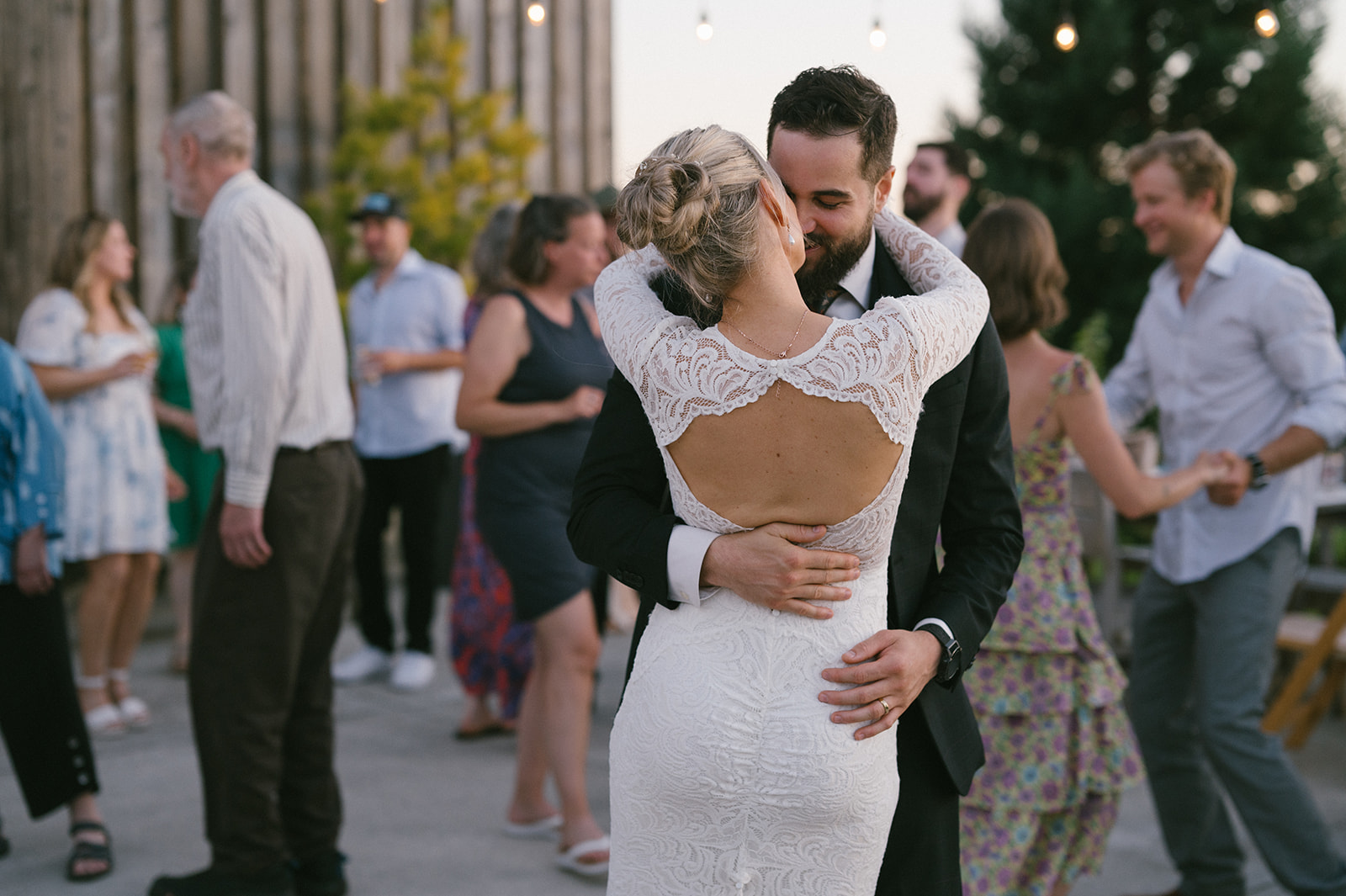
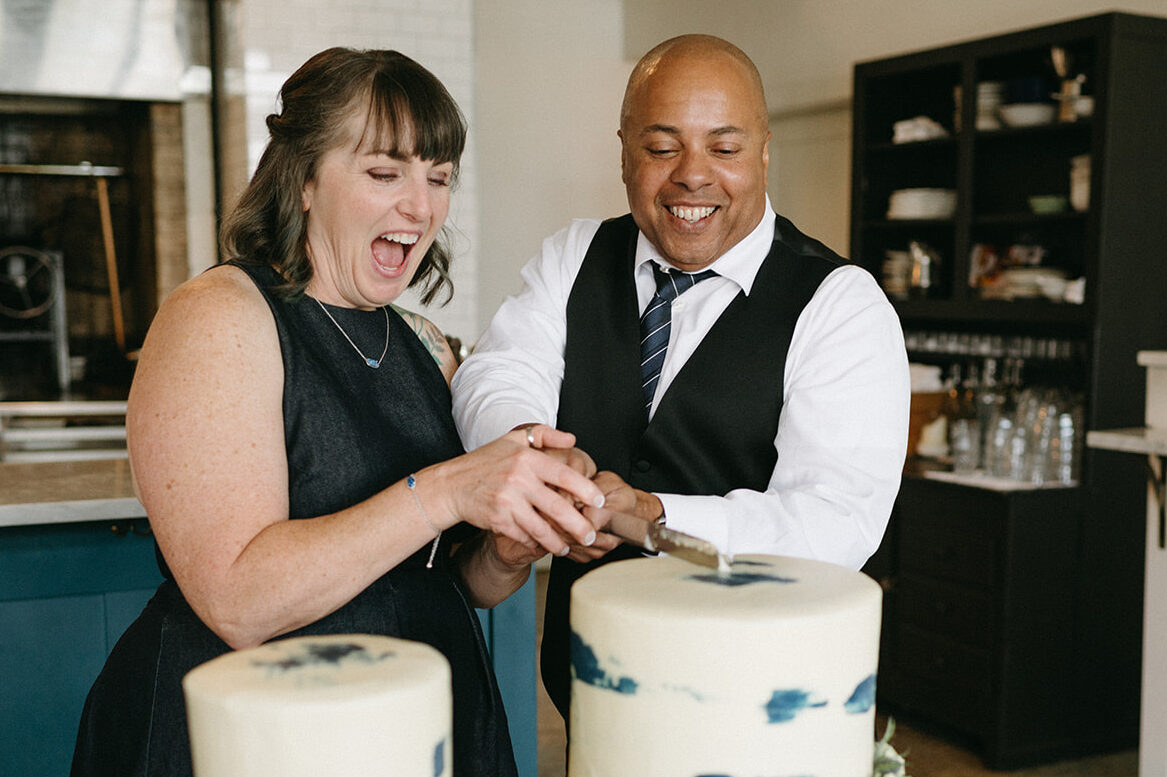
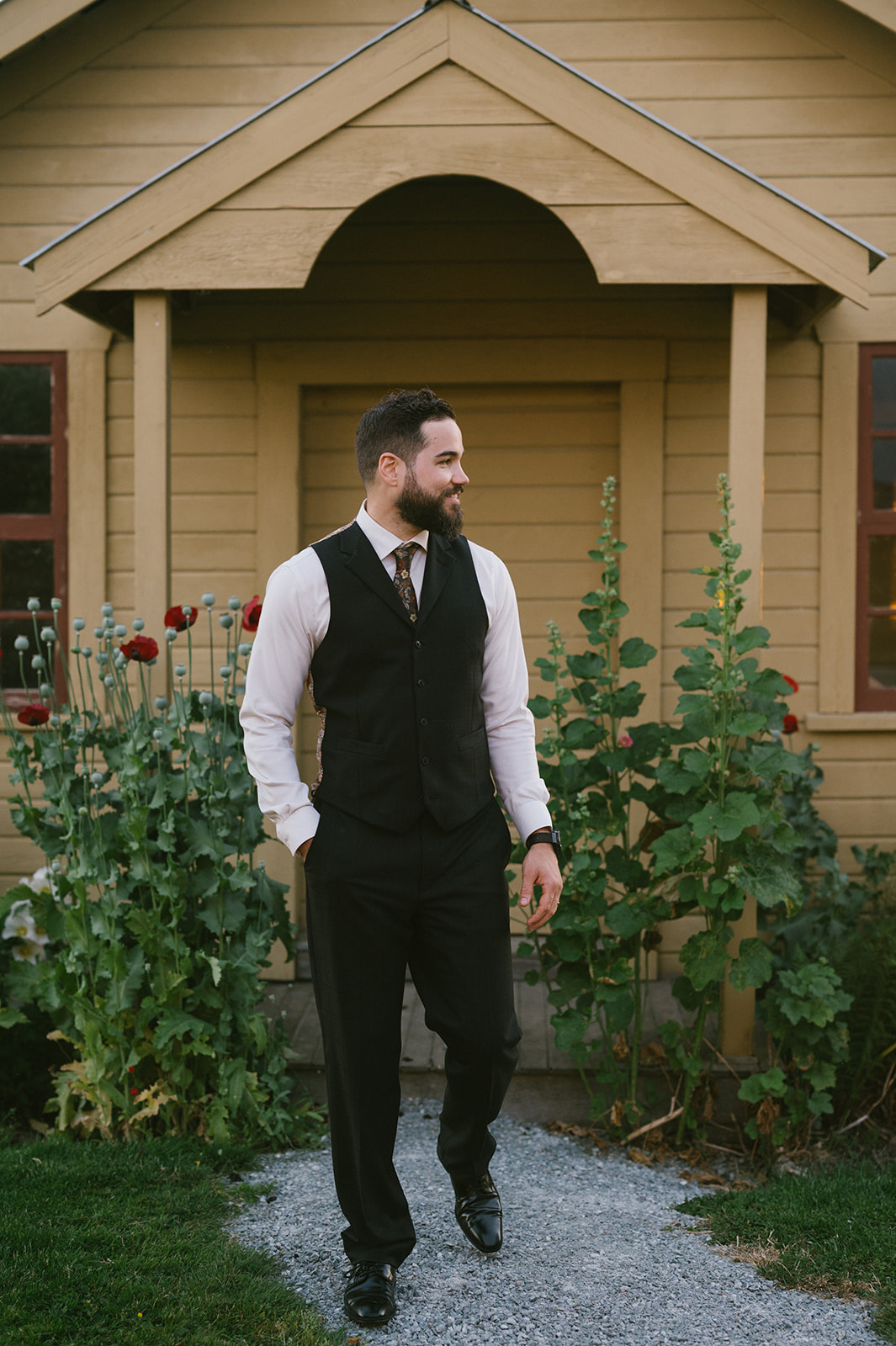
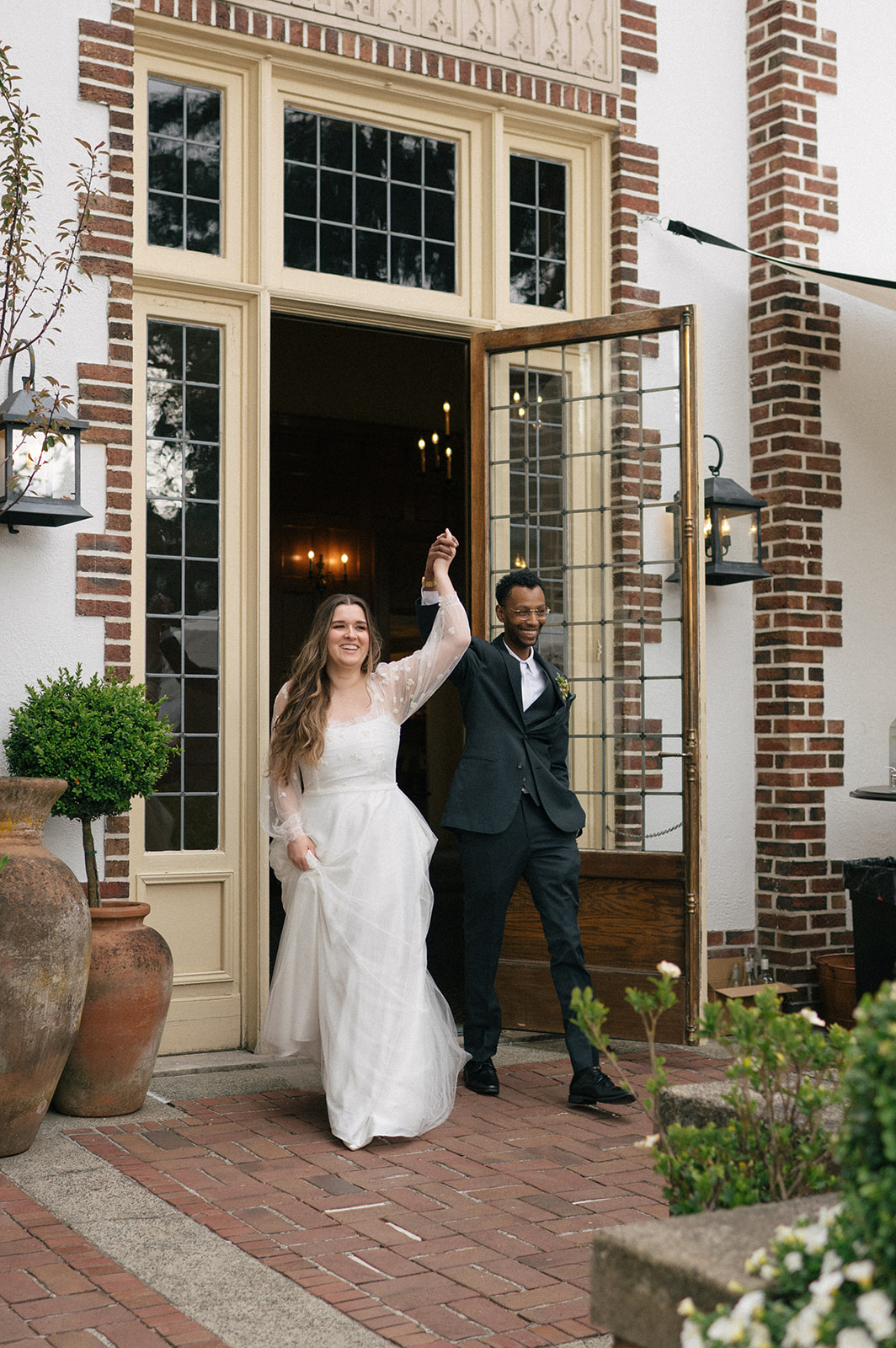
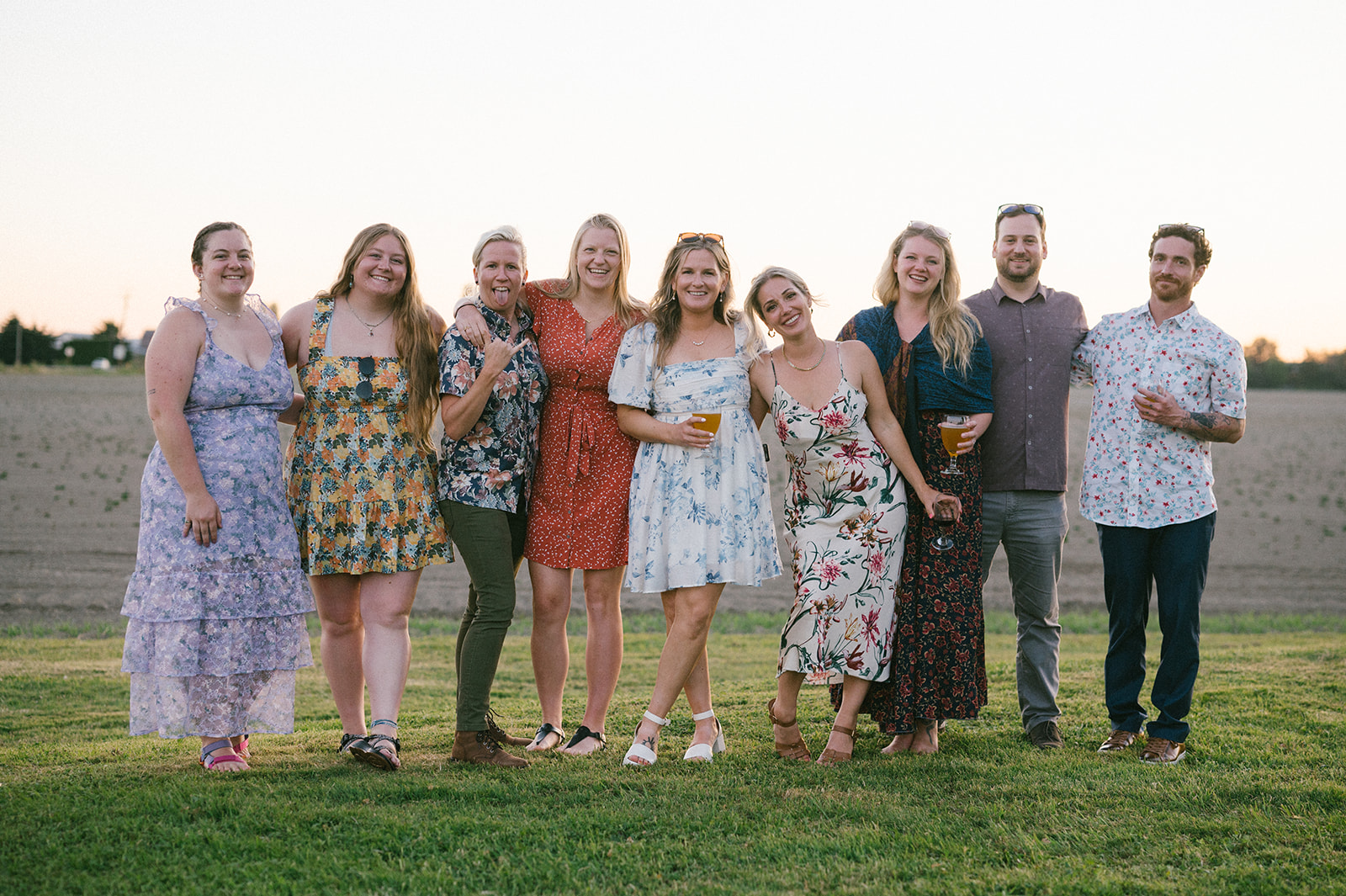
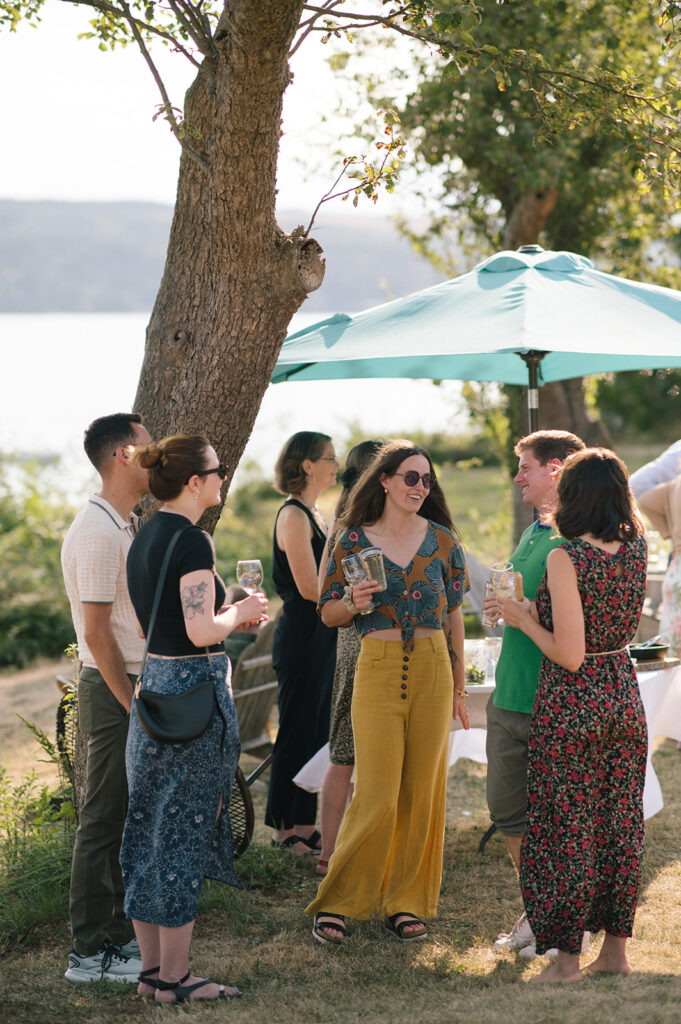
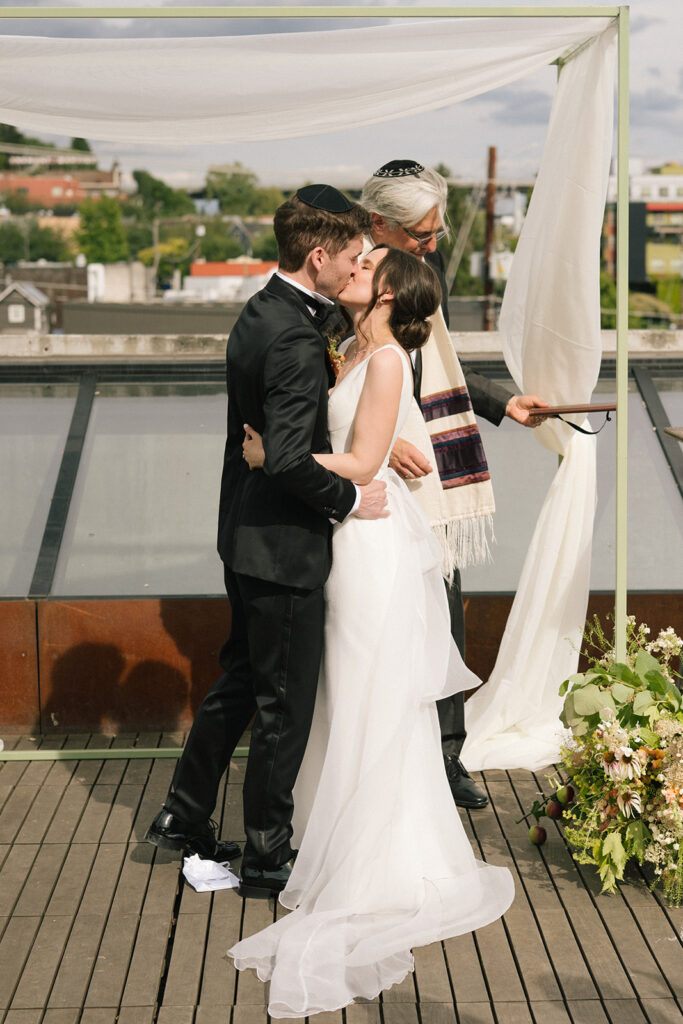
A documentary wedding photographer is primarily watching. Paying attention to what’s actually happening — the emotions, the in-between moments, the way light changes as the afternoon moves toward evening. The goal is to capture the day as it truly felt rather than how it could have been made to look.
The result, when it works well, is a gallery that feels like a genuine record of your wedding — not a series of photographs that look like photographs, but images that feel like memories.
My Approach: Mostly Documentary, with Thoughtful Direction When It Matters
I describe my style as mostly documentary, with a thoughtful mix of guided and editorial moments when they matter.
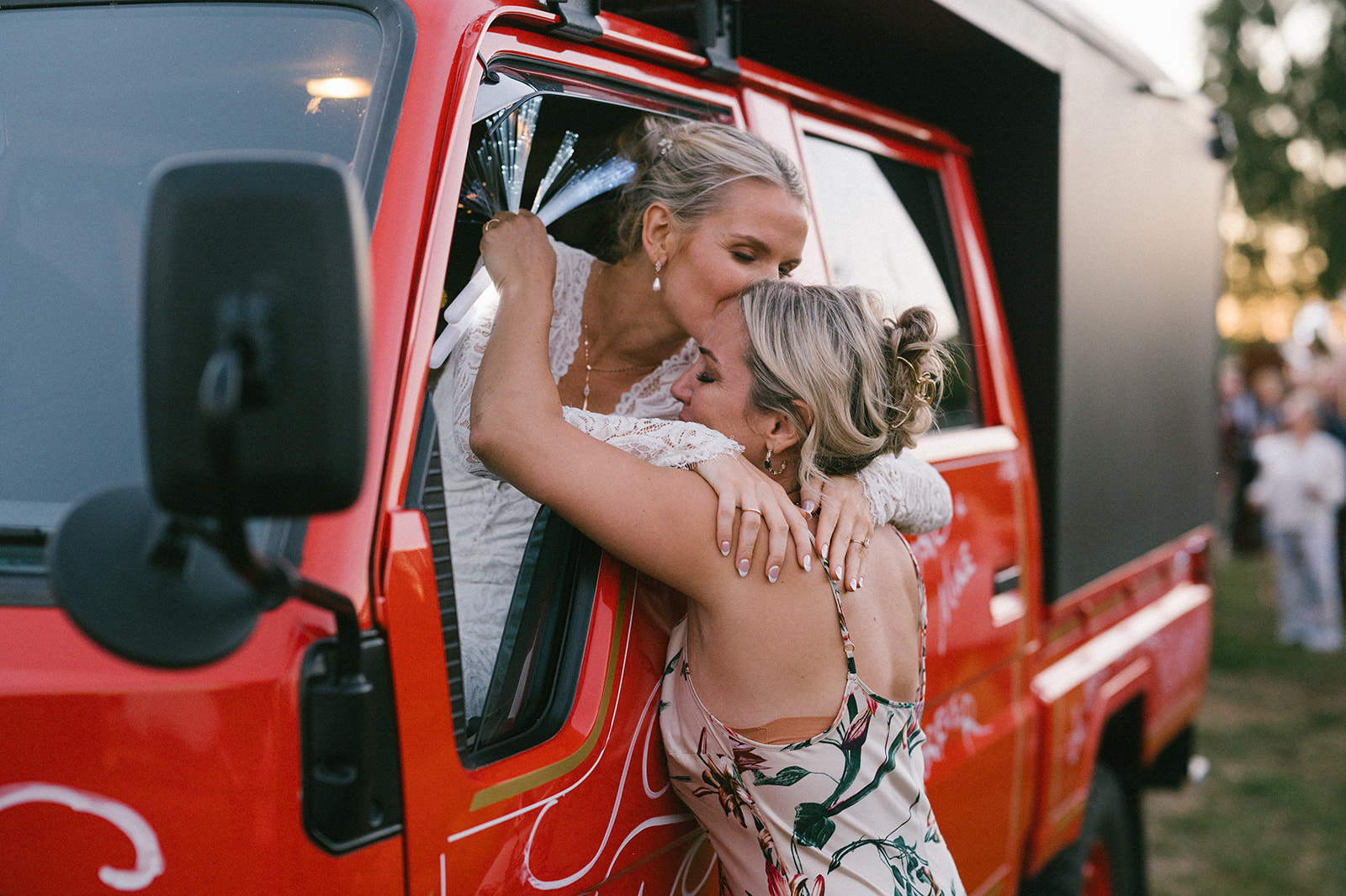
What that means practically: the majority of your wedding day, I’m quietly in the background, observing and anticipating. I’m watching for the moment your best friend tears up during the vows. I’m noticing the way your grandmother holds your dad’s hand during the first dance. I’m following the light and waiting for something real to step into it.
But I don’t believe in being hands-off to the point where you feel unsupported. There are parts of a wedding day where gentle direction isn’t just helpful — it’s important.
Your portraits, family formals, getting-ready moments, and times when you want to feel your best and look your most confident — these are the moments when I’ll step in, offer guidance, and help create images that feel polished and intentional. The goal is never to make your wedding feel like a photo shoot. It’s to ensure that alongside all the candid, emotional documentation, you also walk away with beautiful portraits you’ll want to frame and pass down.
It’s a balance. Real moments and gentle direction. Honest storytelling and timeless portraits.
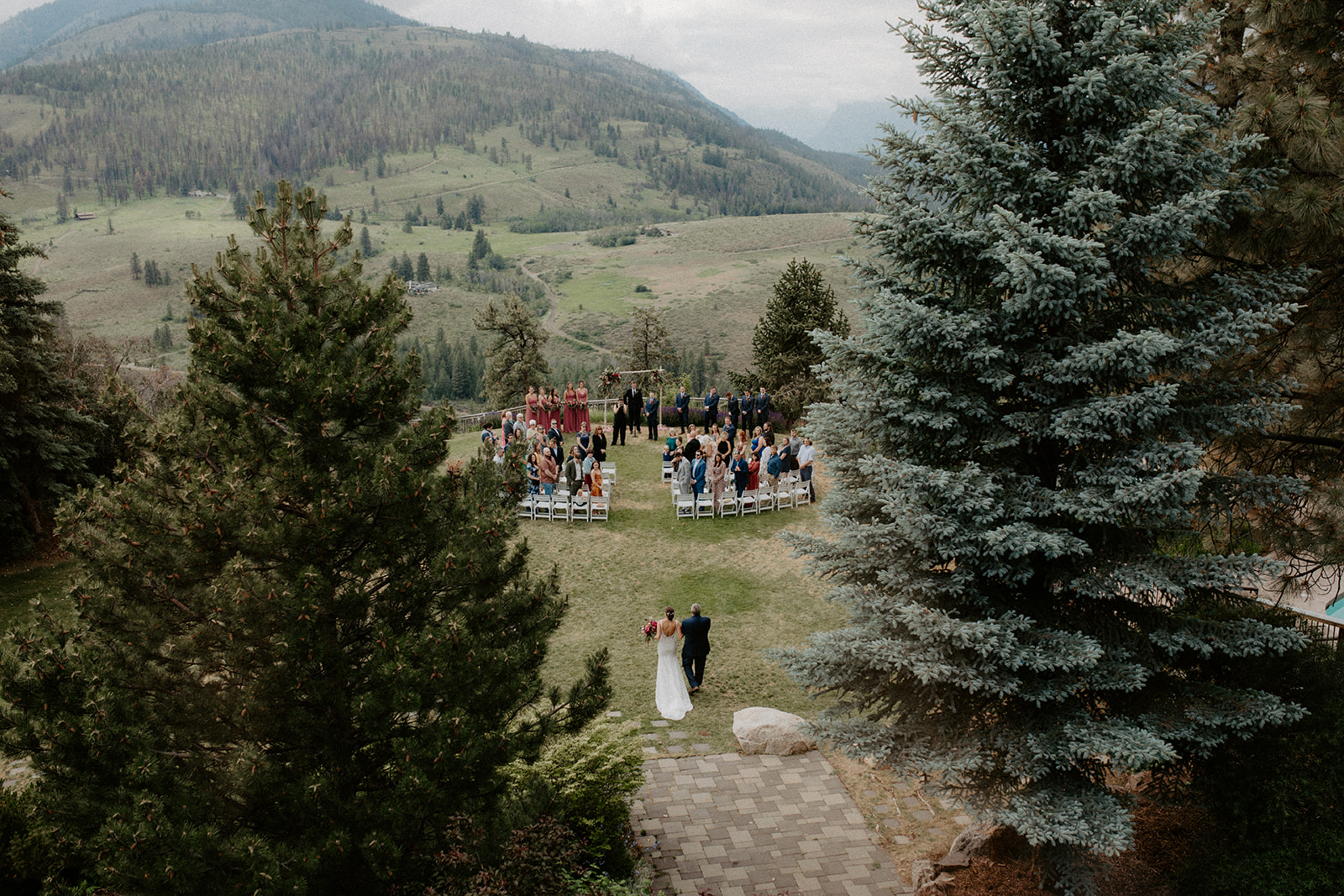
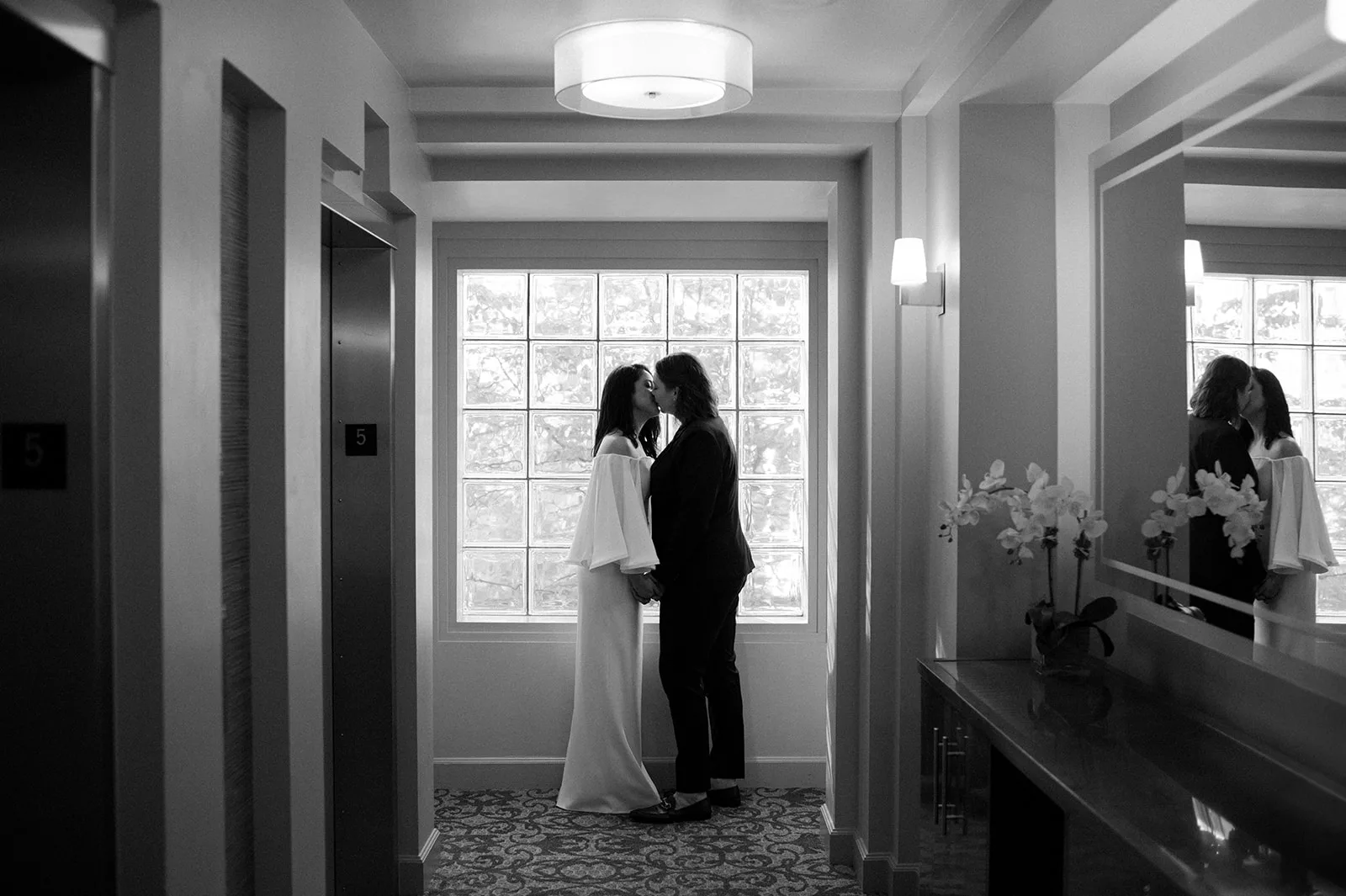
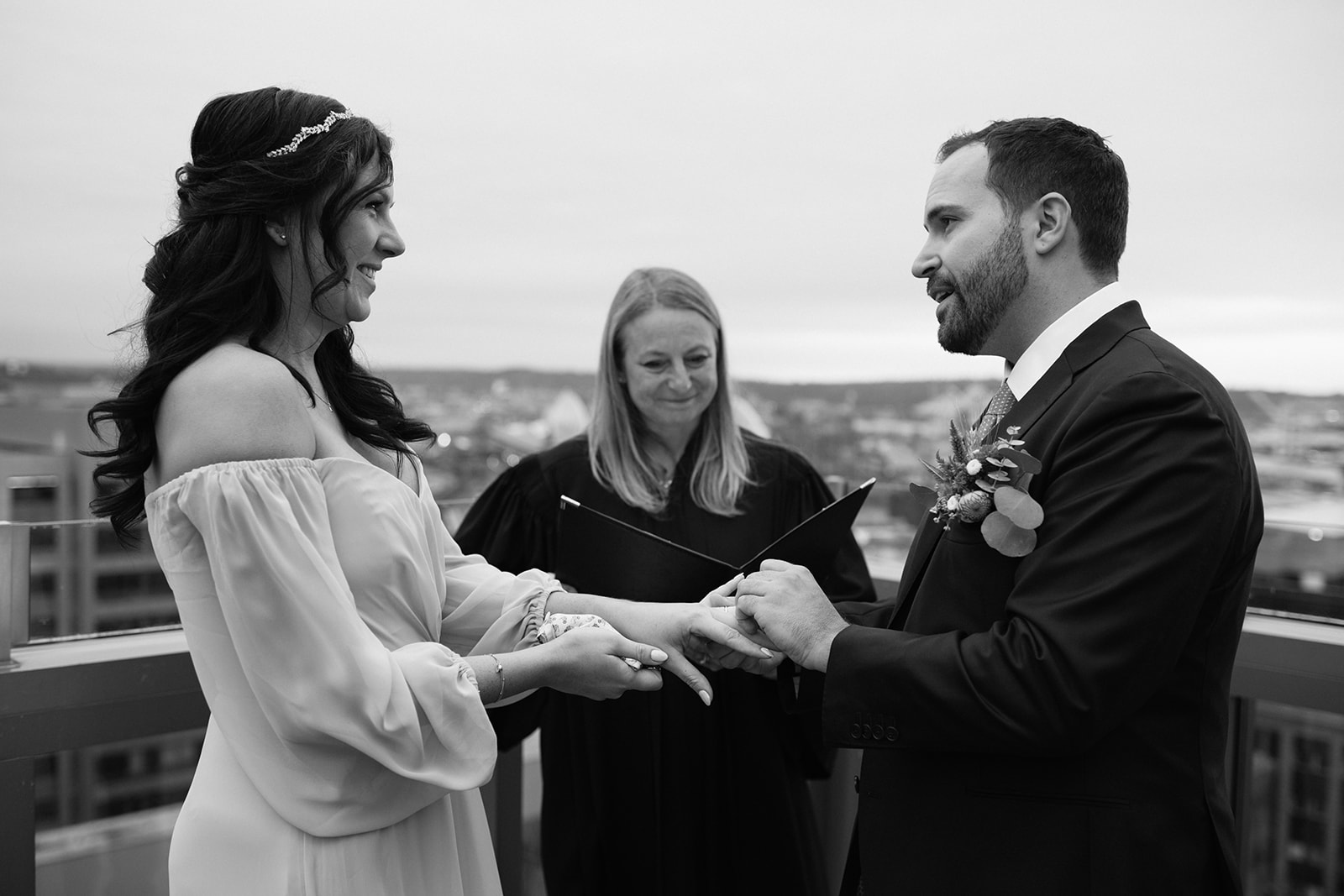
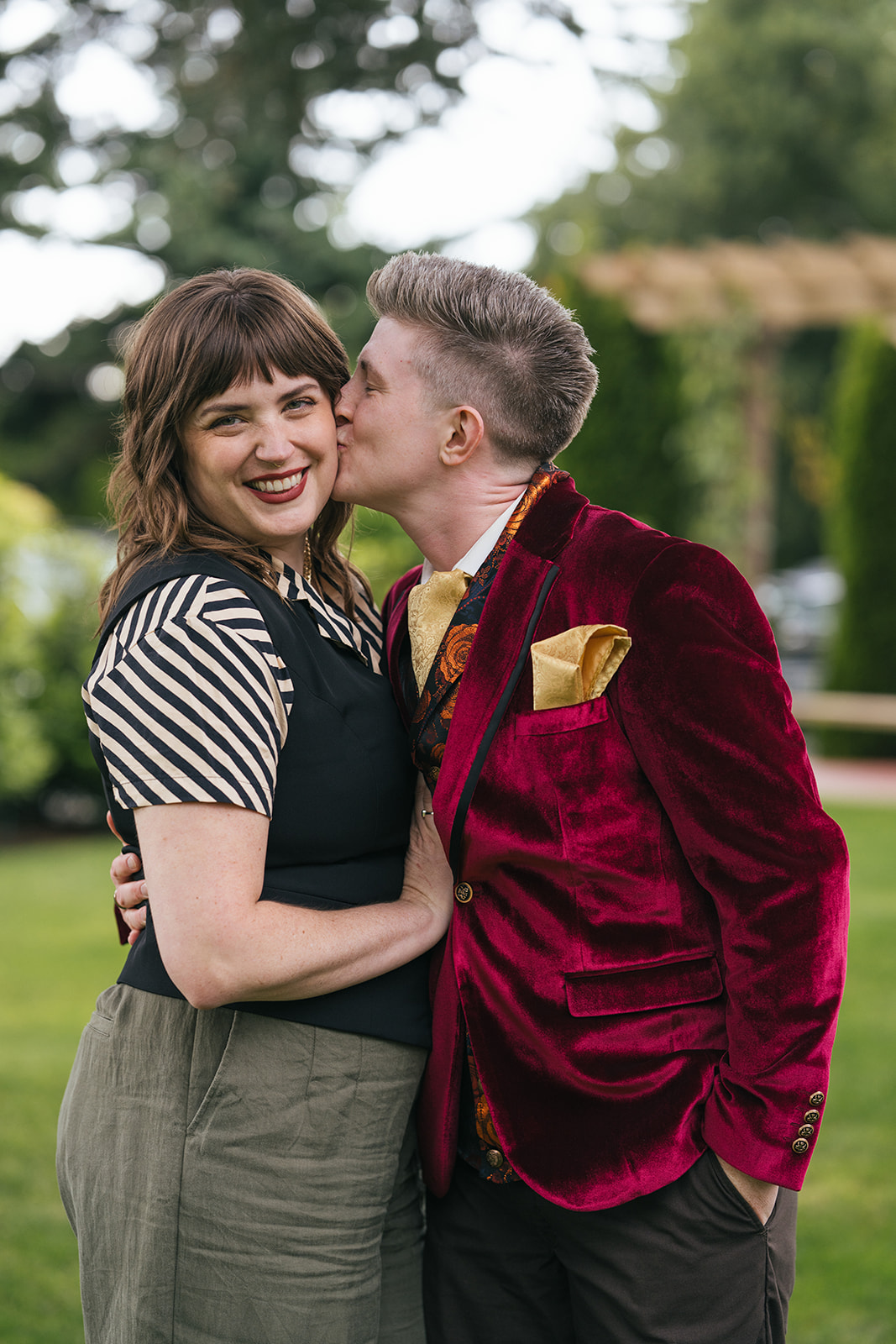
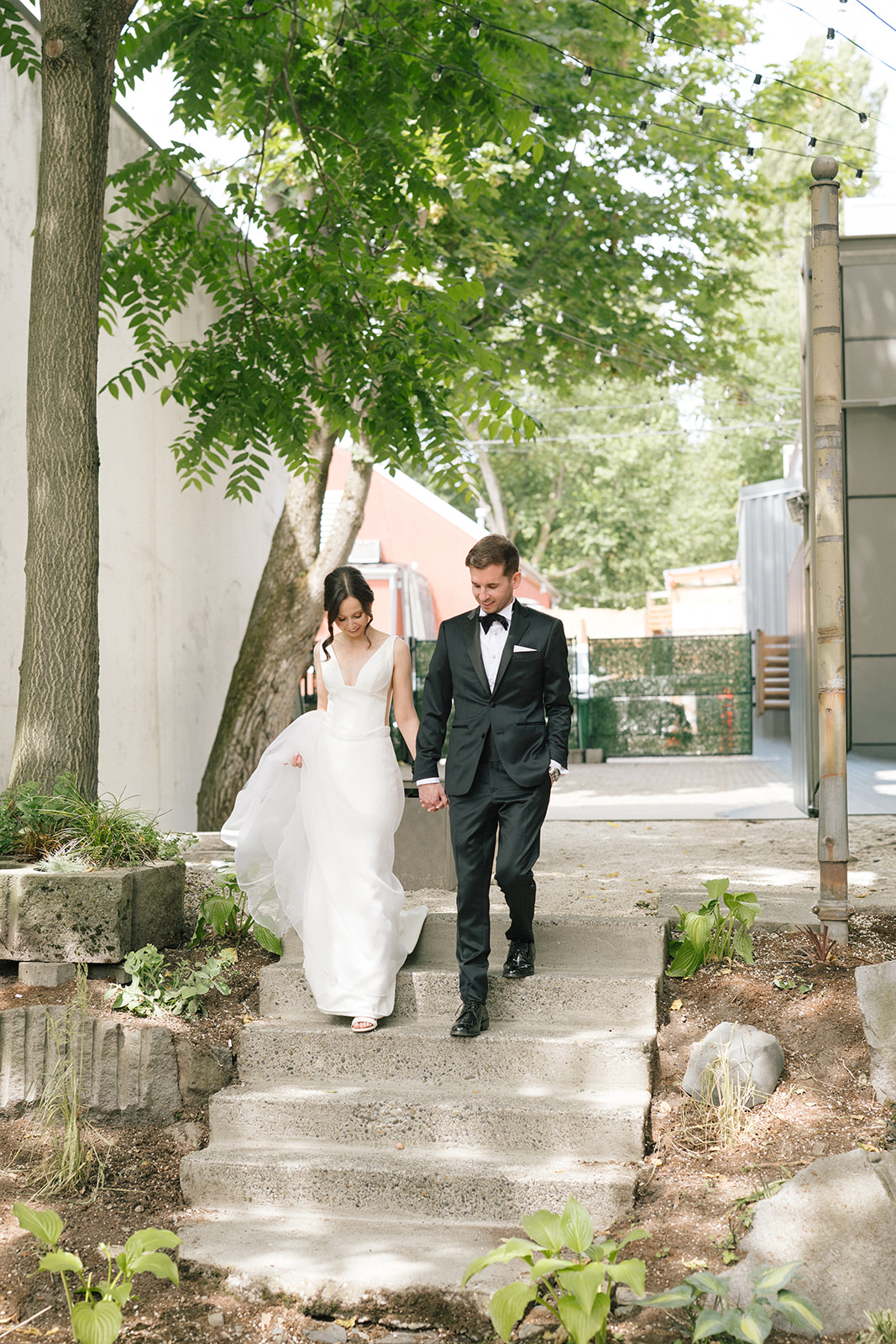
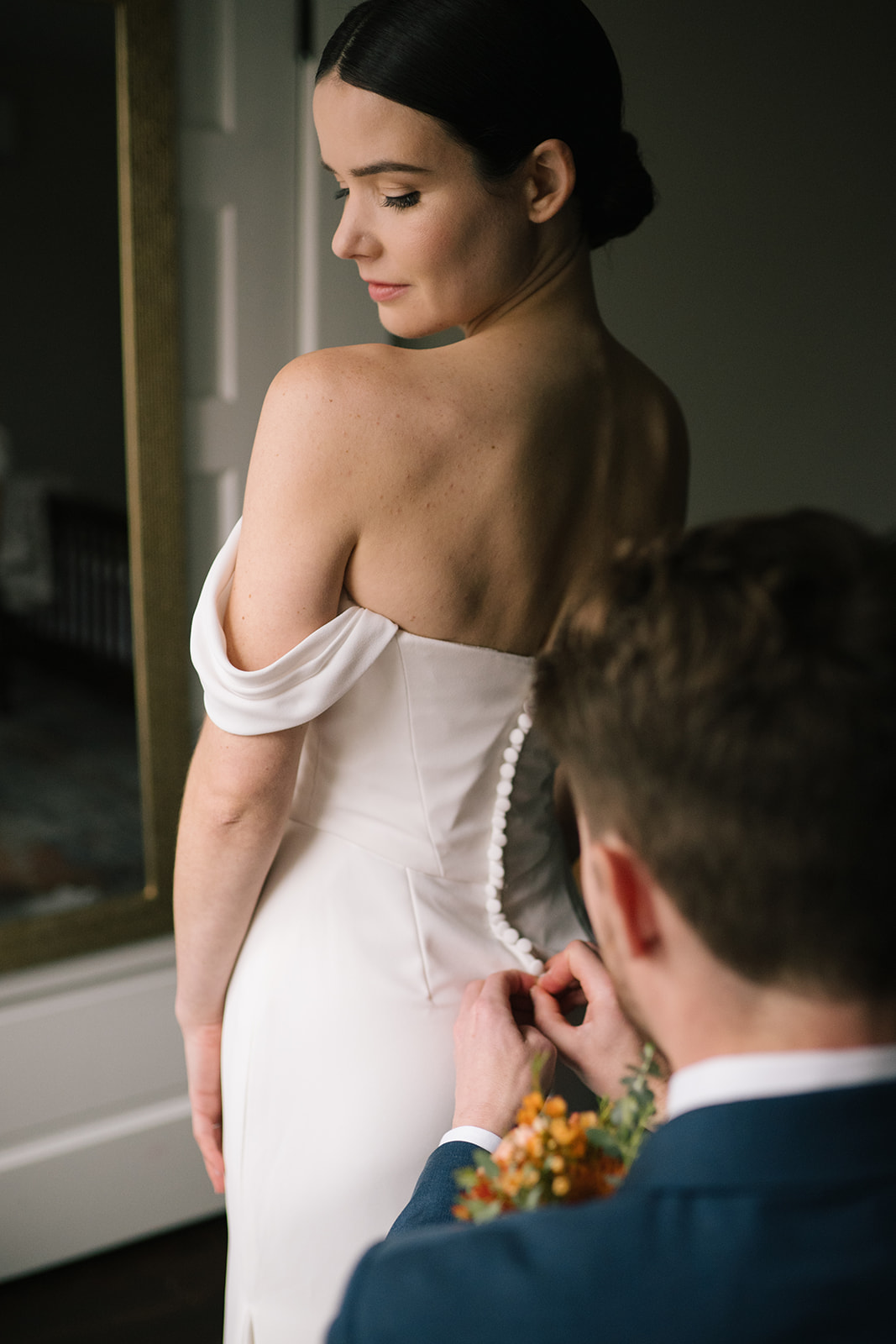
What a Documentary Wedding Day Actually Looks Like
Couples sometimes wonder what it actually feels like to work with a documentary wedding photographer. Here’s an honest picture of what to expect.
You won’t be constantly posed or directed
For the majority of your wedding day, you can forget I’m there. I’m not going to interrupt every quiet moment to adjust your position or ask you to look a certain way. You’ll be present with the people you love while I work around you — anticipating, watching, capturing.
This is one of the things couples most frequently tell me they appreciated after the fact: that the day felt like their day, not a production designed around getting photos.
The in-between moments are where the best images live
The moments that tend to make people emotional when they see their gallery aren’t the posed ones. They’re the ones nobody noticed were happening — the look on your dad’s face right before he walks you down the aisle, the laugh between you and your partner while you’re waiting for the ceremony to start, the quiet moment your maid of honor squeezes your hand.
A documentary approach means those moments don’t get missed. I’m paying attention to the whole room, not just the main event.
Light matters more than you might think
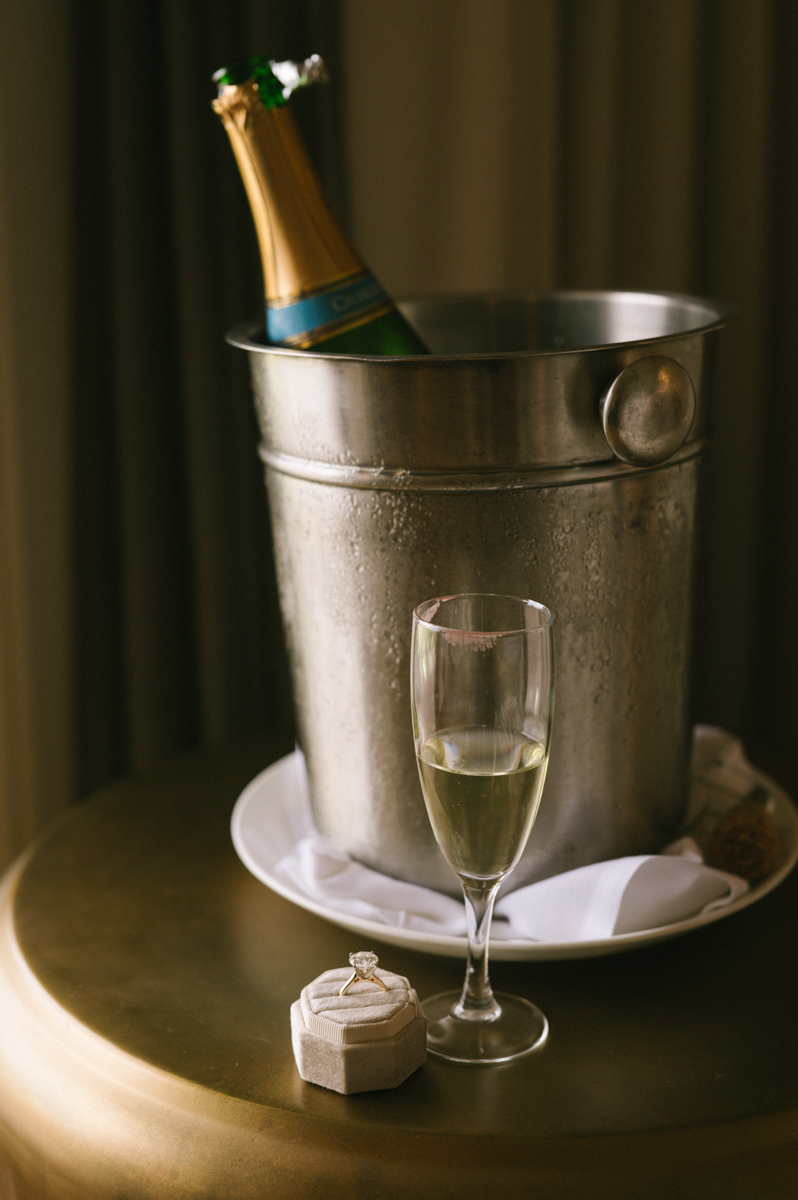
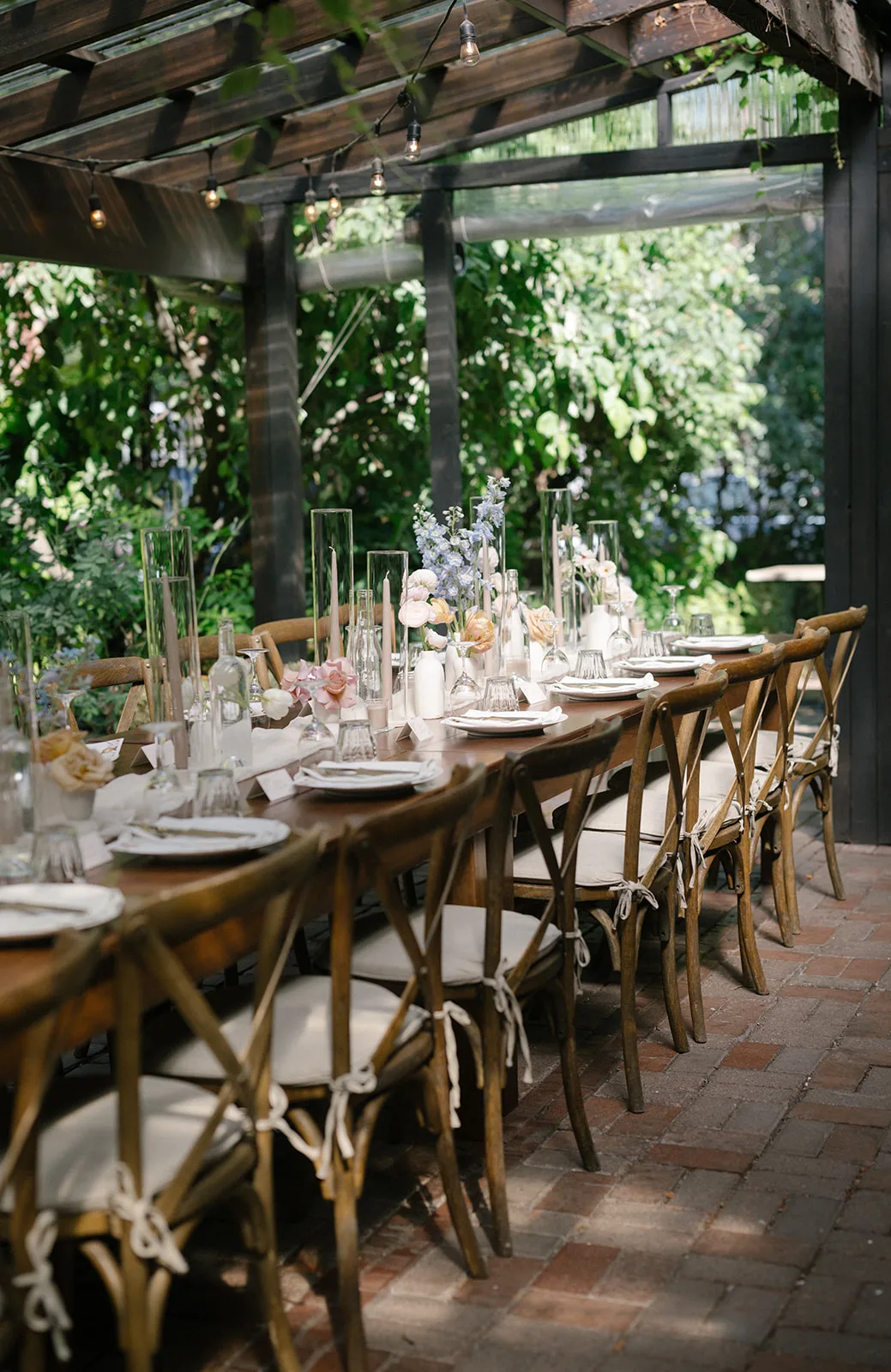
A documentary photographer works with available light — what’s actually in the room, in the field, in the moment — rather than imposing artificial lighting on every situation. This requires knowing how to read light and position quickly, and it’s one of the reasons that finding the right location and timing for your portraits actually matters enormously.
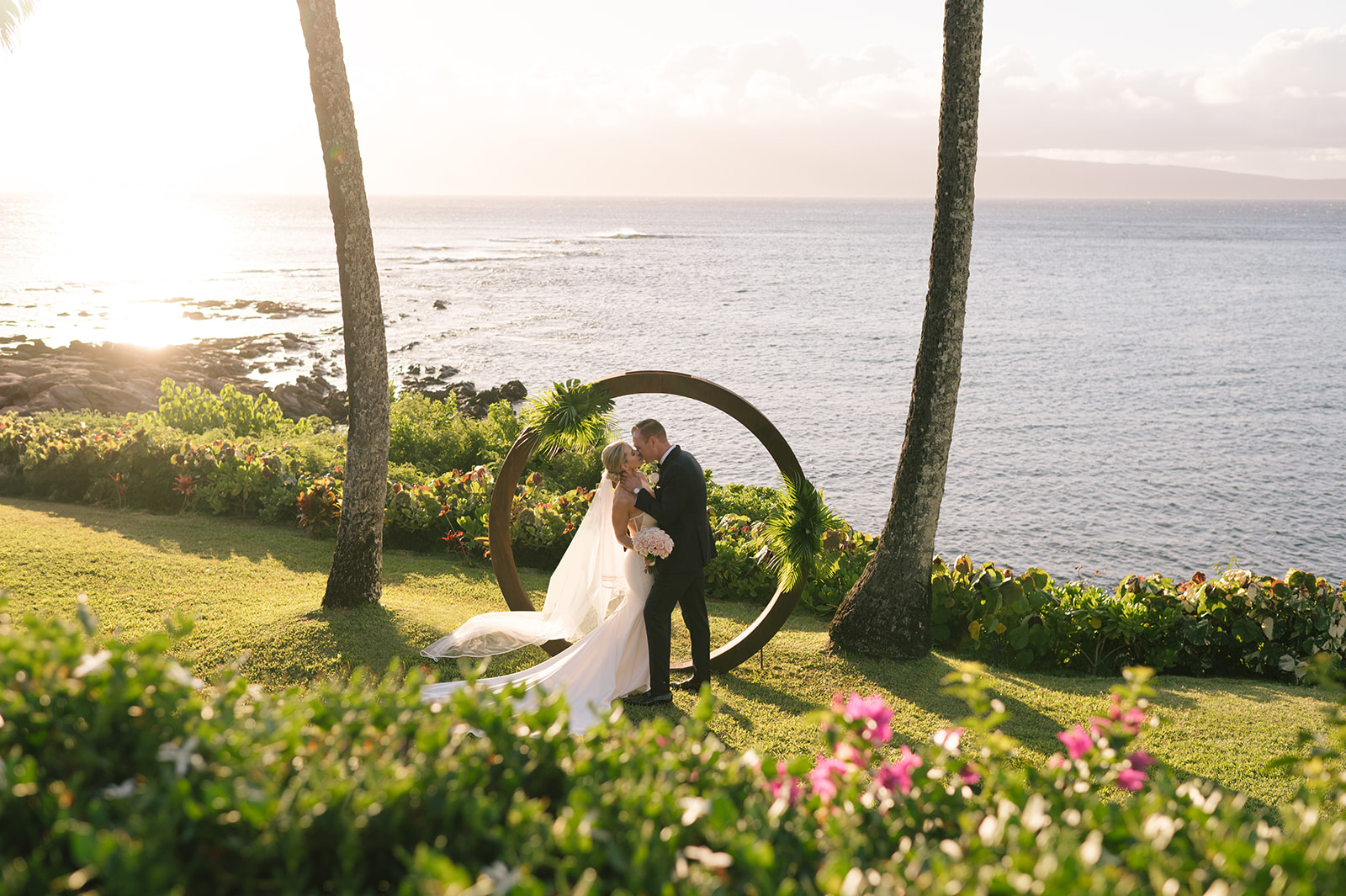
When I spot a beautiful patch of late afternoon light, or a window that’s doing something extraordinary, I’ll quietly work the couple into it rather than drag out a flash setup. The result is light that looks like it belongs to the moment, because it does.
You’ll still get beautiful portraits
I want to be clear about this one, because I think “documentary” sometimes gets misread as “no portraits.” That’s not it at all.
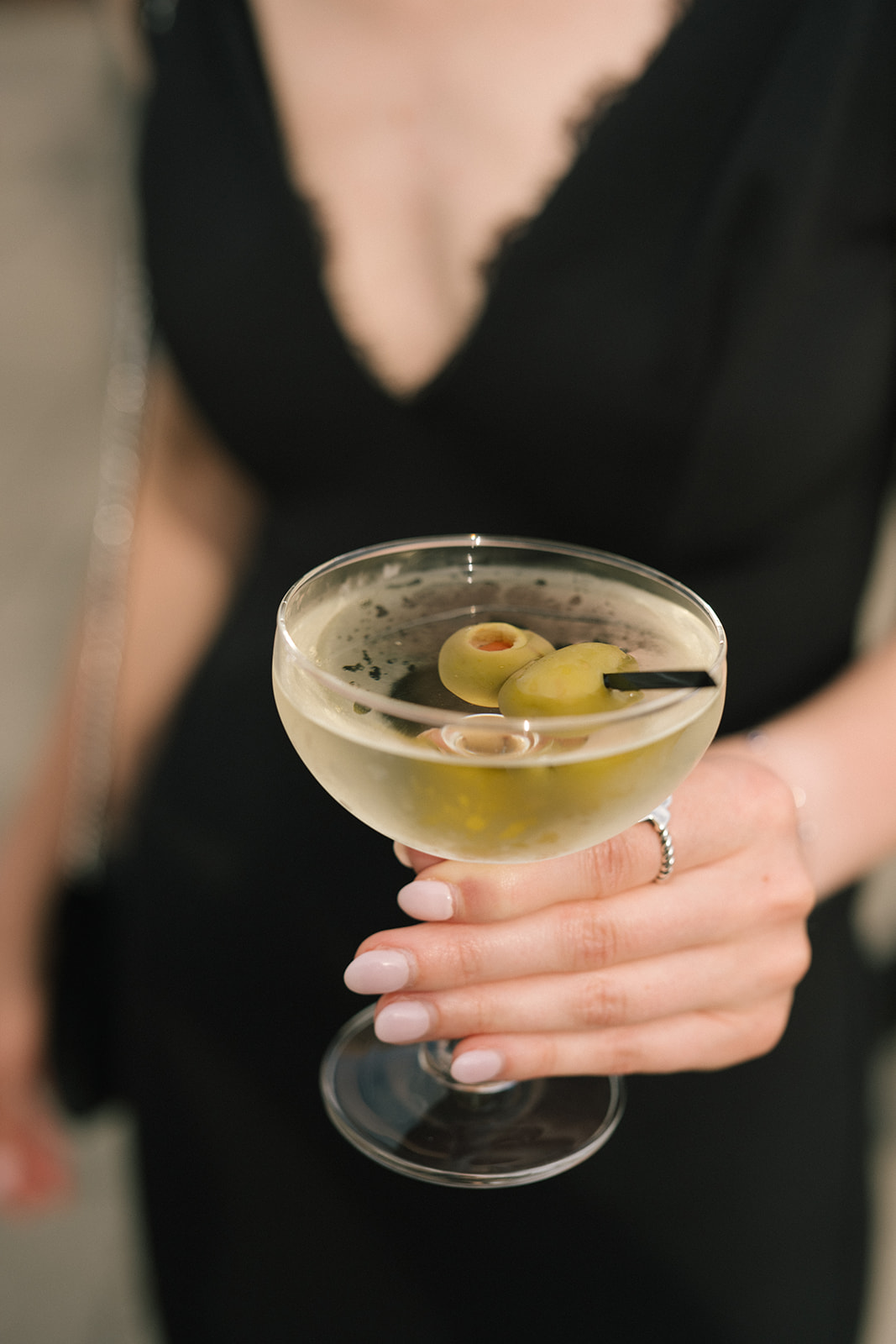
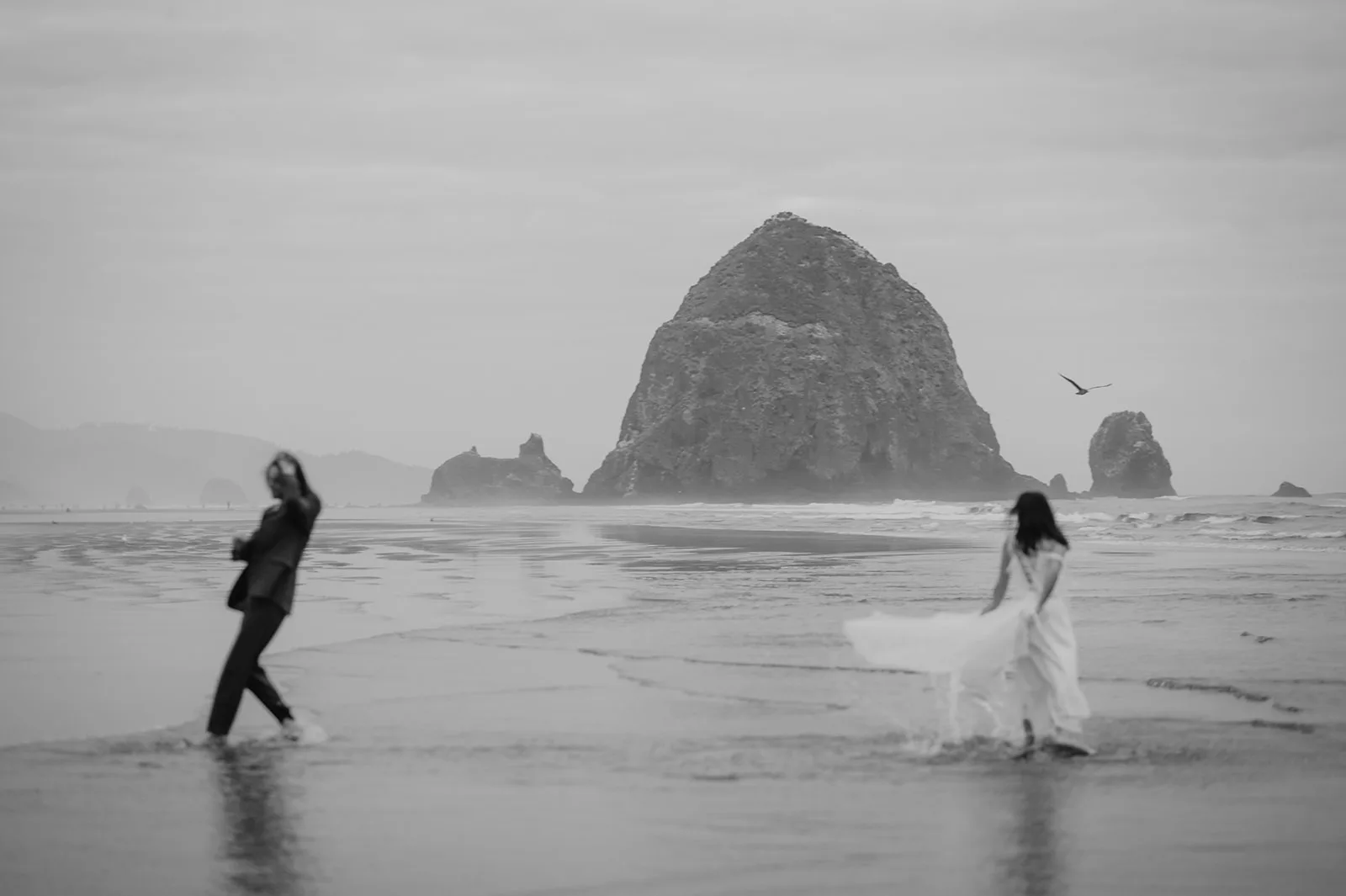
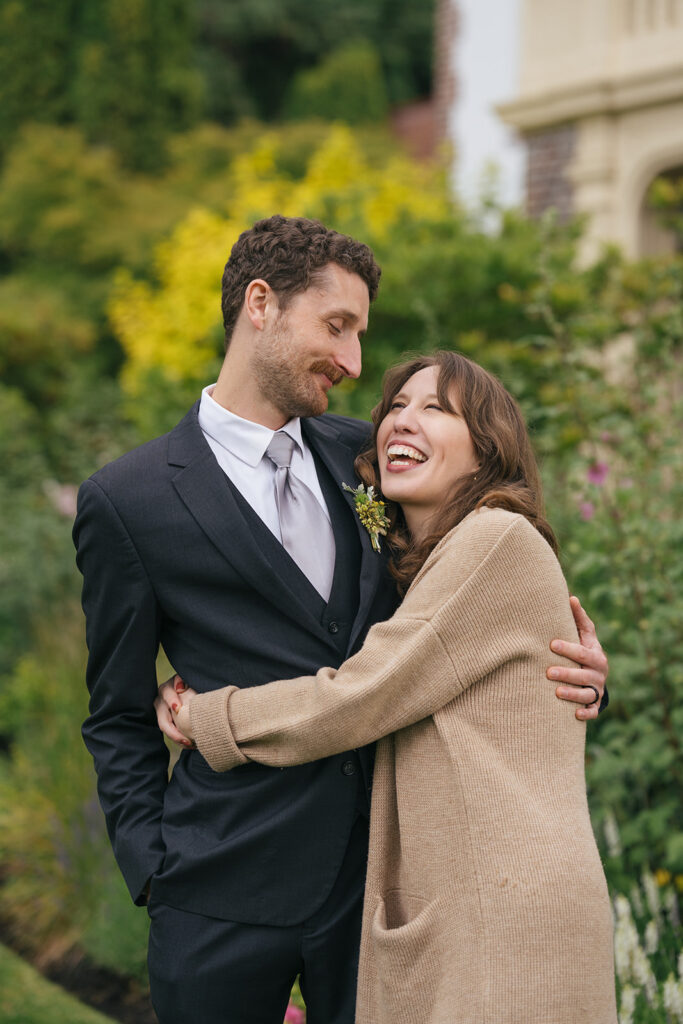
You’ll have dedicated portrait time — typically during golden hour, during cocktail hour, or at natural breaks in the day. I’ll give you enough direction to feel comfortable and confident in front of the camera, without making the session feel stiff or overly choreographed. The goal is portraits that feel like the two of you — just the best version of the two of you, in beautiful light.
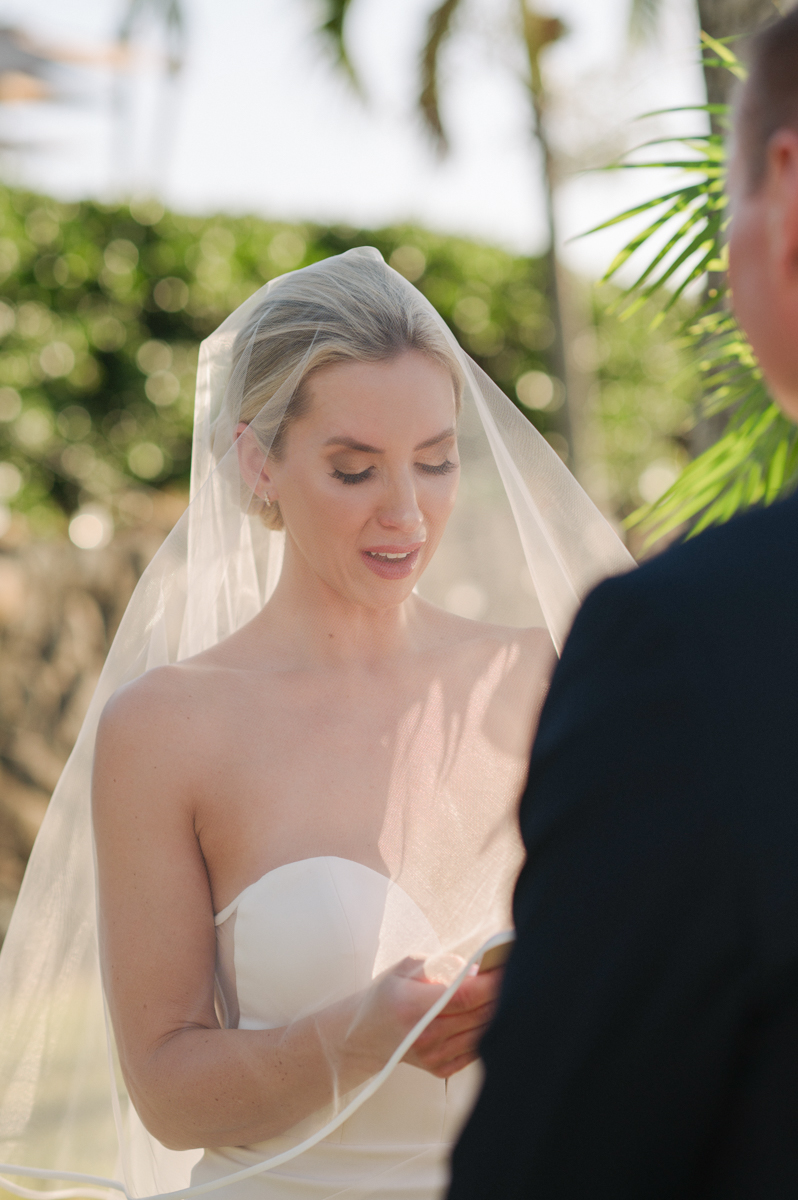
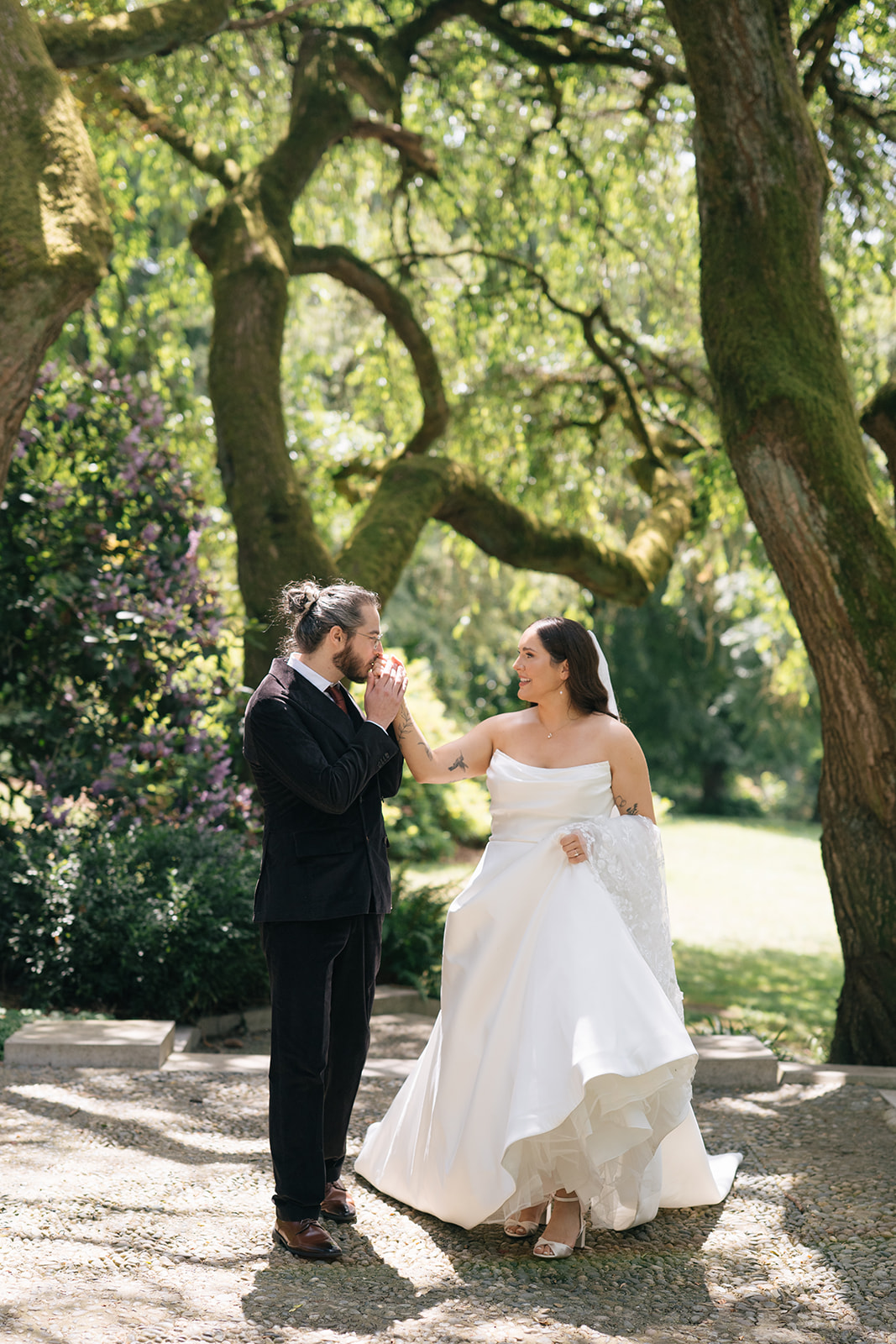
The Editing Style: Natural, Filmy, and Built to Last
The documentary approach extends to my editing. My goal is always for your photos to feel true to life — not filtered, not artificially altered, not processed in a way that will feel dated in five years.
I focus on natural color, realistic and flattering skin tones, and a soft, timeless look that leans slightly film-inspired. There’s a warmth and depth to the images that gives them a nostalgic, memory-like quality without crossing into heavy presets or trendy processing styles.
The editing goal is simple: your photos should look exactly the way the day actually felt. When you look back at them ten or twenty years from now, they shouldn’t feel like artifacts of a particular Instagram trend. They should feel like a window back into that specific day.
This is one of the reasons I’m drawn to a film-inspired aesthetic rather than a heavily edited digital look. Film photography has a quality of truth to it — a sense that what you’re looking at really happened. That’s what I’m chasing, even when I’m shooting digitally.
Is a Documentary Wedding Photographer Right for You?
Documentary wedding photography isn’t for everyone, and that’s genuinely okay. Here’s an honest breakdown of who tends to love this style and who might prefer something different.
You’ll probably love documentary wedding photography if:
You want to feel present and relaxed on your wedding day rather than constantly aware of the camera. You care deeply about authentic, emotional images over posed perfection. You love the look of candid, natural photographs — the kind that feel like they were taken by a close friend with a really good camera. You want a gallery that tells the full story of your day, not just the highlights. You’re drawn to a warm, filmy, slightly nostalgic aesthetic.
You might prefer a more traditional approach if:
You love highly posed, editorial-style photography where every image is carefully constructed. You want significant creative direction throughout the entire day. You prefer a cleaner, brighter, more modern editing style over a warm or filmy look.
Neither preference is wrong. What matters is finding a photographer whose style matches what you actually want to look back on.

Frequently Asked Questions About Documentary Wedding Photography
What’s the difference between documentary and photojournalistic wedding photography? The terms are often used interchangeably. Both describe an approach that prioritizes capturing real, unposed moments as they happen. Some photographers use “photojournalistic” to emphasize the journalistic, observation-based quality of their work. I use “documentary” because it best describes my overall approach — telling the full story of the day.
Will I have any input into how photos are taken? Absolutely. While much of the day is captured naturally, we’ll talk through your vision, priorities, and any specific moments you want me to focus on before the wedding. Your portrait session also involves enough direction to help you feel comfortable and confident in front of the camera.
Do documentary wedding photographers use flash? It varies by photographer. I work primarily with available light because it produces the most natural, true-to-life results and preserves the atmosphere of your wedding. There are specific situations — dark reception venues, night portraits — where I’ll use supplemental lighting, but it’s never my first choice.
How many photos will I receive? Gallery sizes vary based on the length of the day and coverage included in your collection, but a full-day documentary session typically yields a generous number of images precisely because I’m capturing continuously throughout the day rather than pausing for frequent setups. I’ll share specifics when we talk about your day.
Can I see a full wedding gallery, not just portfolio highlights? Yes — I’m happy to share full galleries from past weddings so you can get a true sense of what a complete day of documentary coverage looks like from start to finish. Just ask.
Ready to Learn More?
If a documentary approach to wedding photography sounds like the right fit for your day, I’d love to connect and hear what you’re planning.
You can check out my pricing guide here to explore collections and get a sense of what working together looks like — and then reach out whenever you’re ready to talk through your wedding.
I photograph weddings throughout Seattle and the Pacific Northwest, and I’d love for yours to be one of them.
