
Do You Need a Second Shooter at Your Wedding? A Complete Guide
A Thoughtful Guide to Choosing a Second Photographer for Your Wedding
If you’ve been in conversations with wedding photographers and the topic of a second shooter has come up, you’re probably wondering — is it actually worth it, or is it just an upsell?
Totally fair question. The honest answer is: it depends. A second shooter can genuinely transform your wedding gallery, but it’s not a must-have for every couple or every celebration.
This guide breaks down exactly what a second photographer does, the real benefits (and honest trade-offs), and how to figure out what’s right for your wedding specifically.
What Is a Second Shooter at a Wedding?
A second shooter — also called a second photographer — is an additional photographer who works alongside your primary photographer on your wedding day. They’re not a backup in case something goes wrong. They’re an active, shooting member of your photography team, capturing your wedding simultaneously from different angles, locations, and perspectives.
Think of it this way: your lead photographer is directing the overall story of your day. Your second shooter is making sure none of the supporting chapters get lost.
What Does a Second Shooter Actually Capture?
This is where it gets really concrete — and honestly, where most couples find the answer to whether they need one.
Both Sides of the Most Emotional Moments
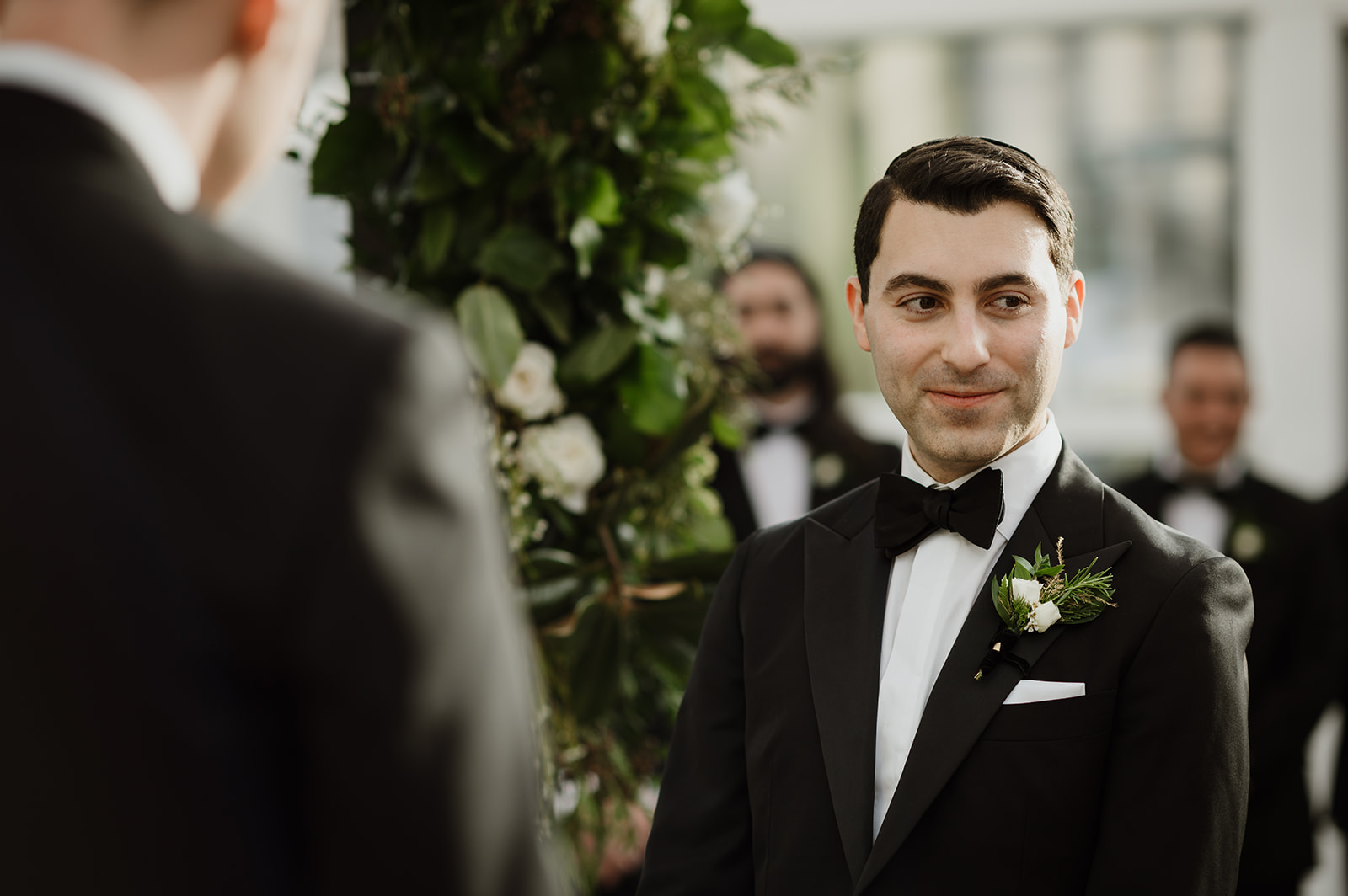
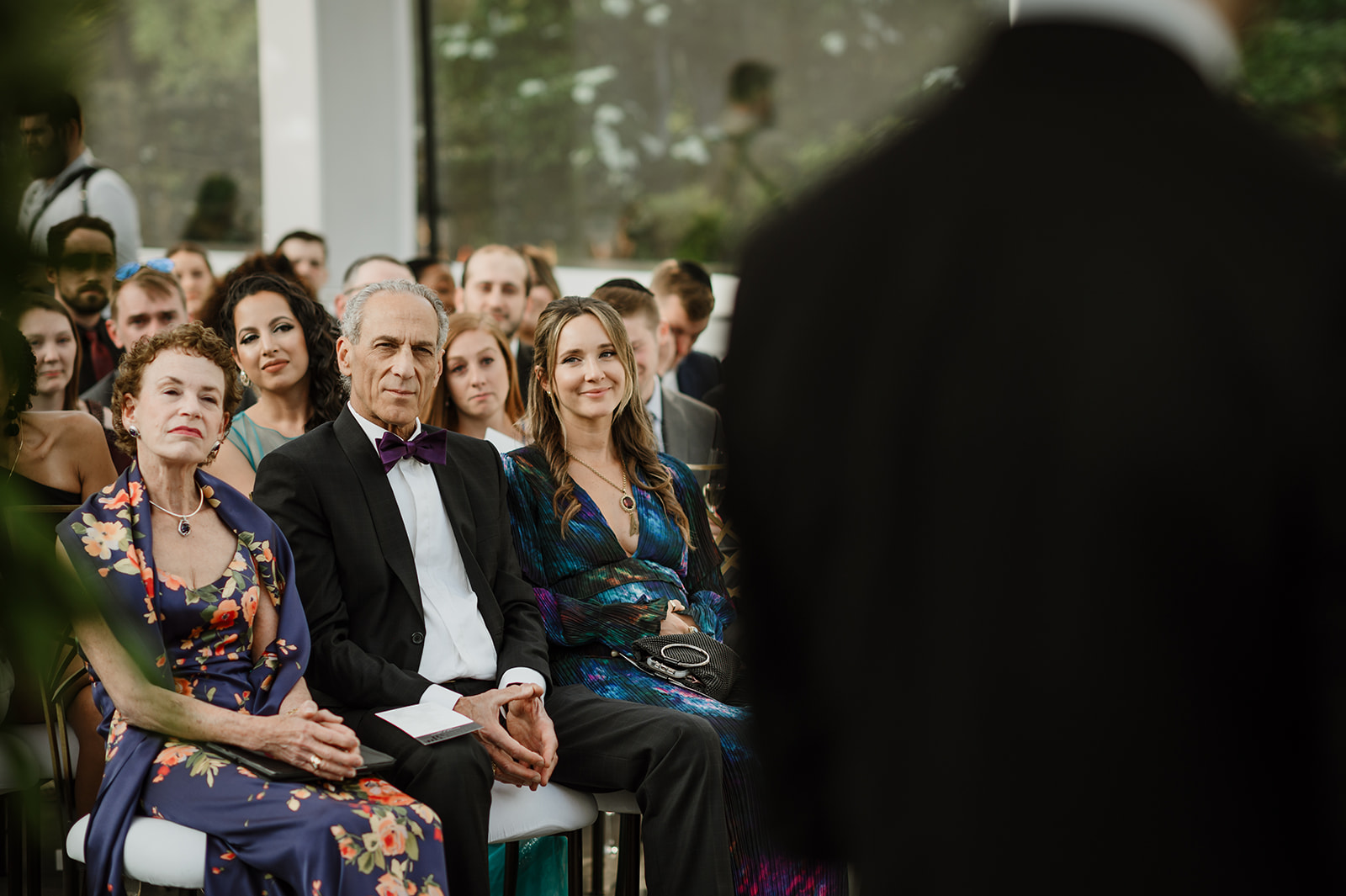
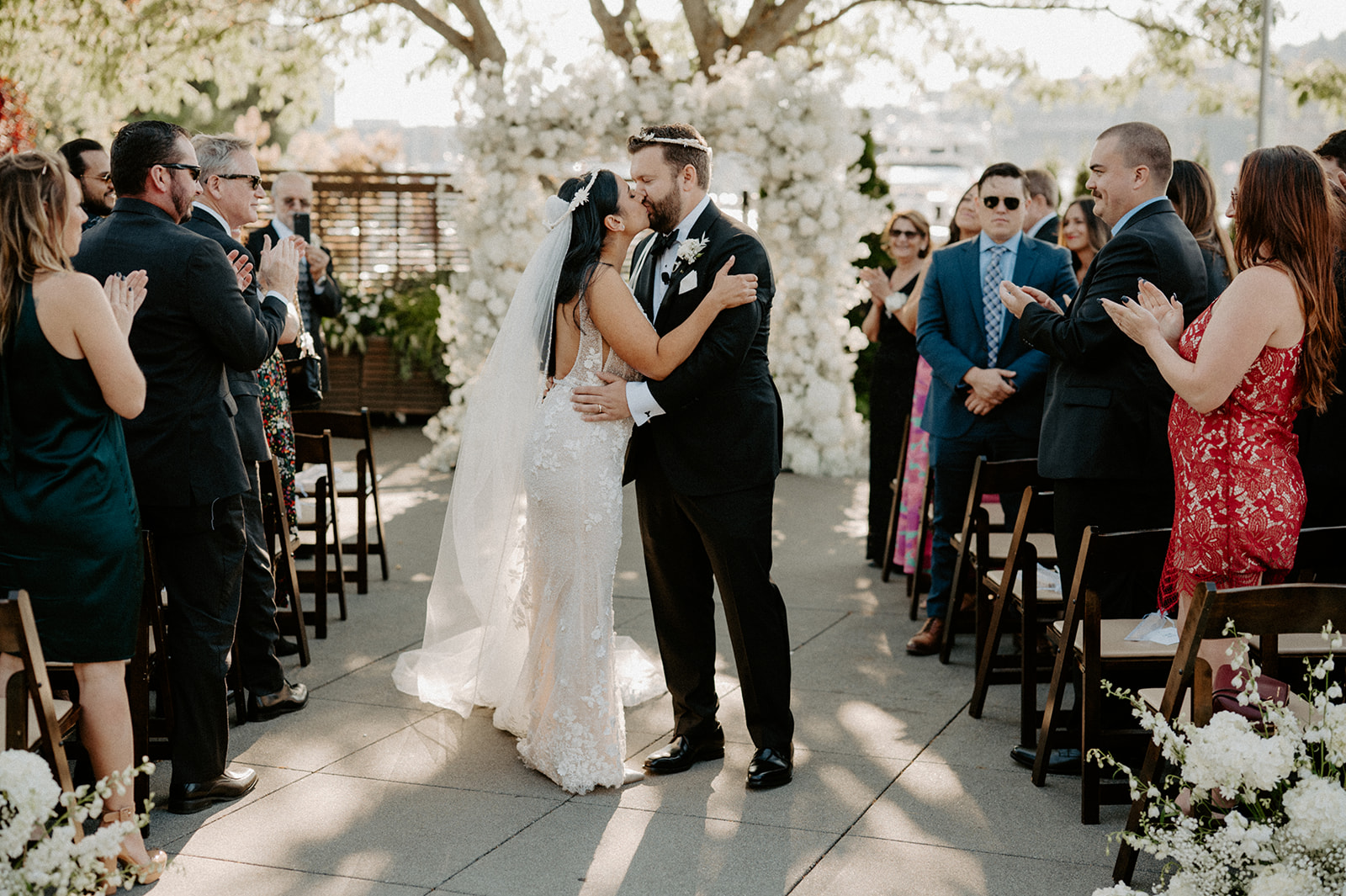
During your ceremony processional, your lead photographer is most likely focused on you — your expression, your dress, the moment as you walk. Your second shooter can be positioned at the altar, capturing your partner’s face as they see you for the first time.
That reaction shot is one of the most requested and most cherished photos from any wedding day. Without a second photographer, you may not have it.
The same principle applies to your first look, your vows, your first dance, and your parents’ expressions during meaningful moments. Two photographers means you get both sides of the story — not just one.
Getting-Ready Coverage for Both of You
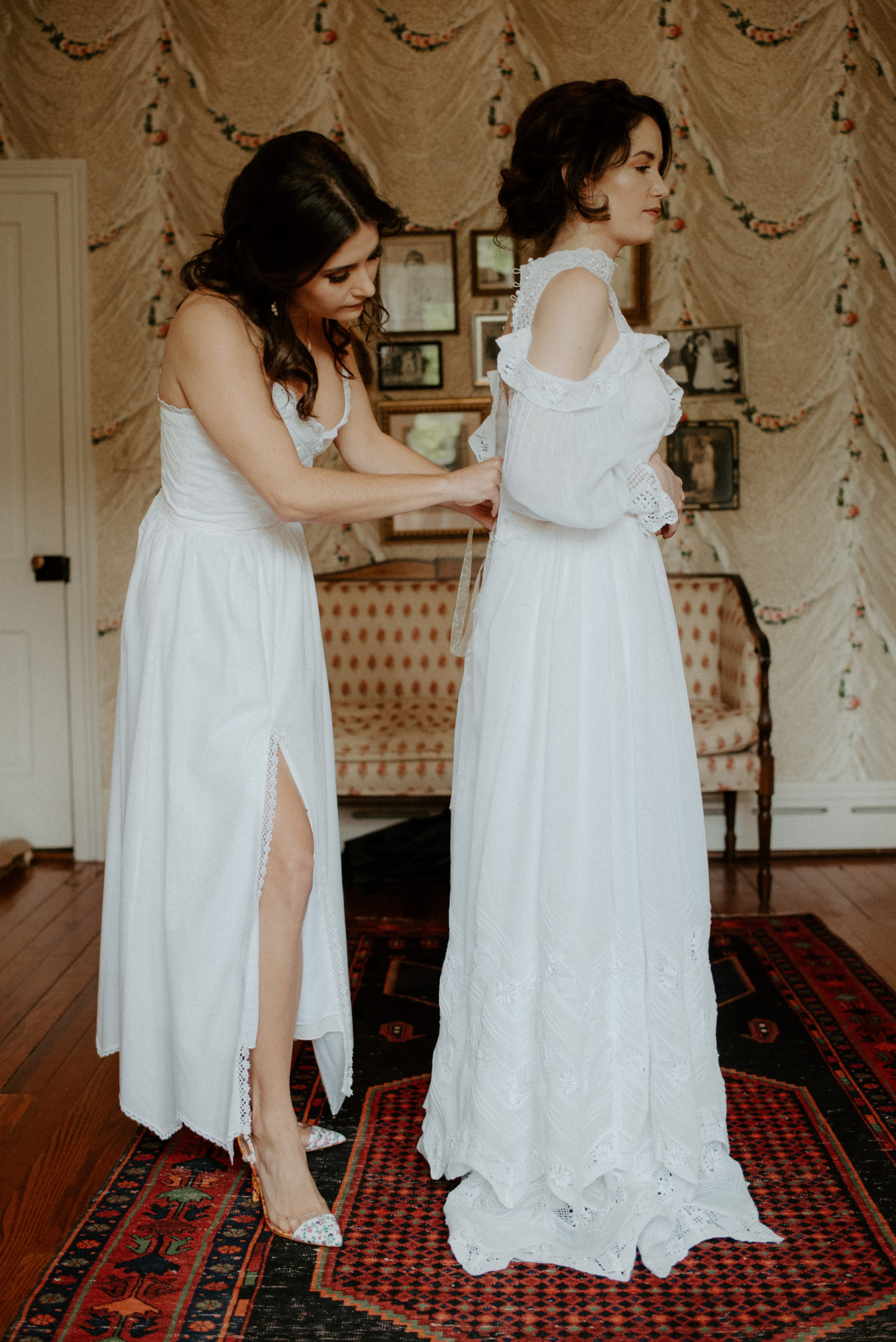
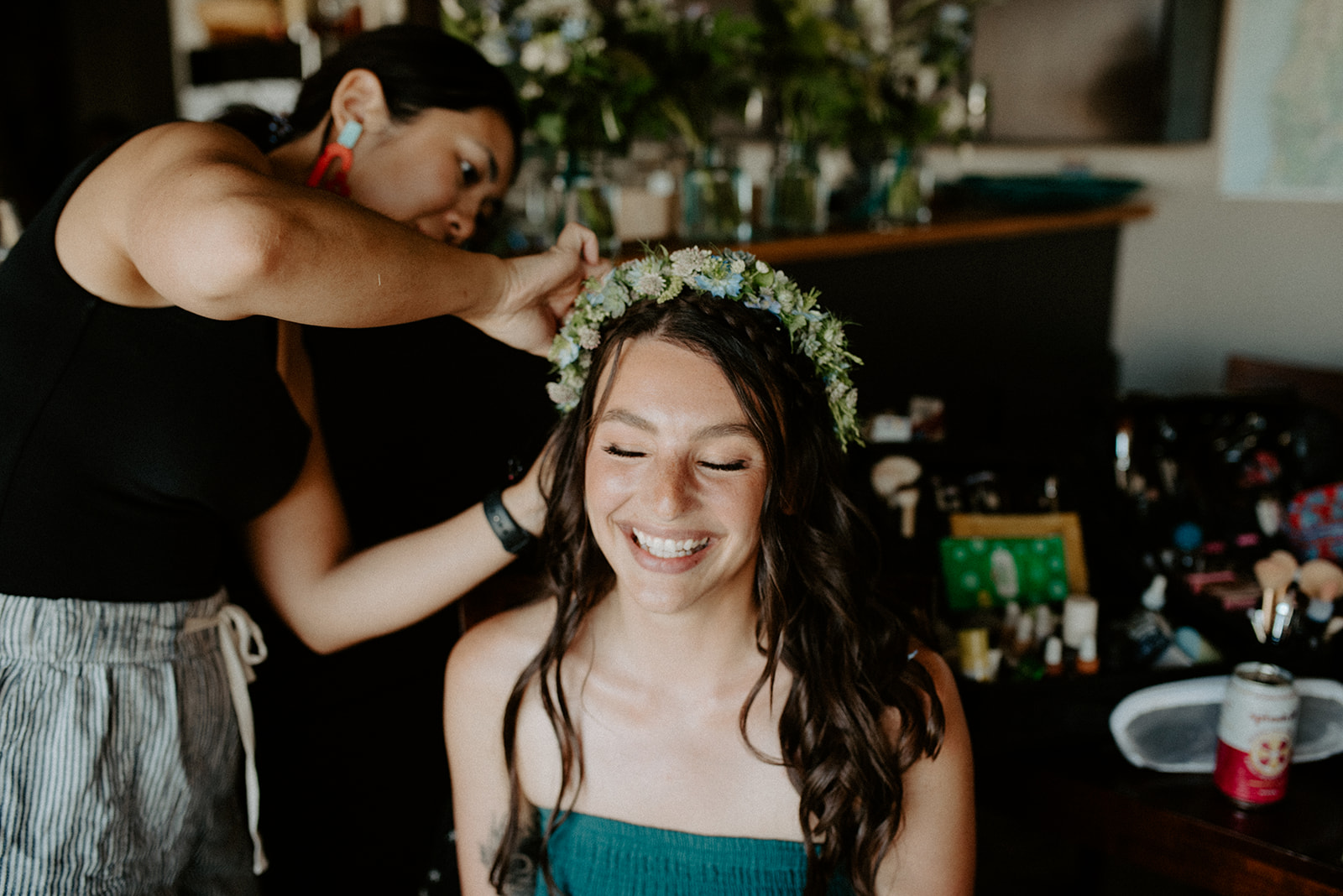
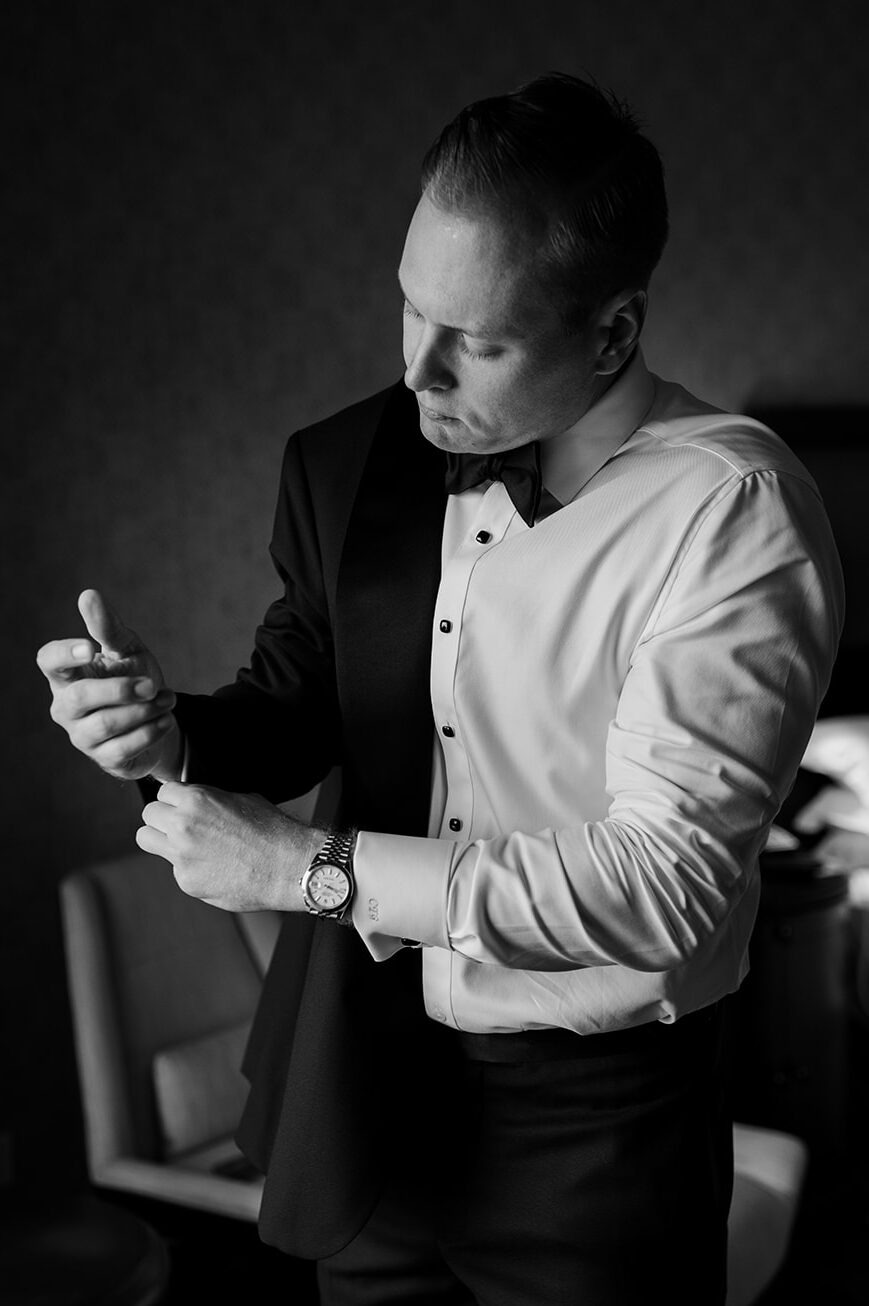
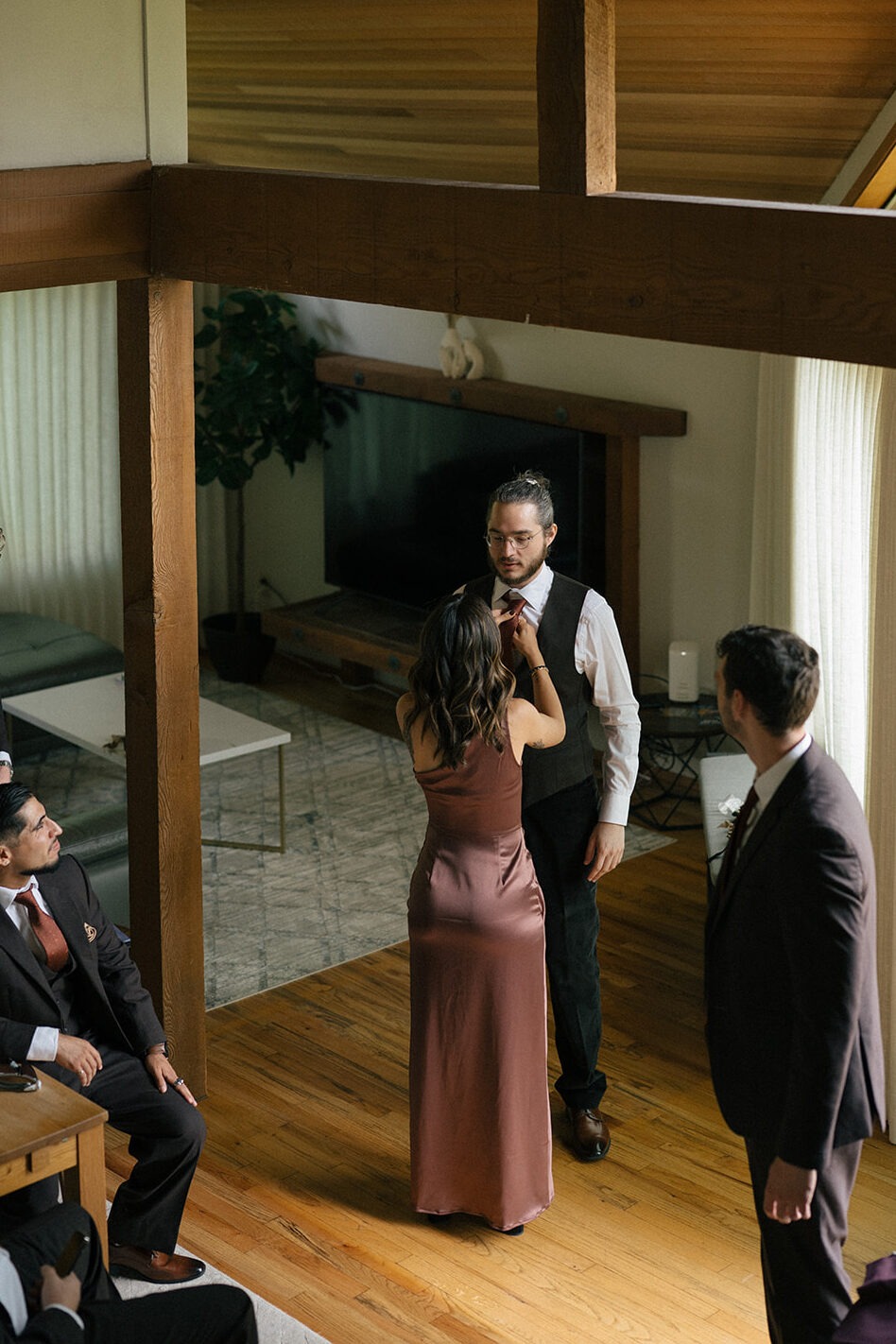
This might be the single most practical reason to hire a second shooter. If you and your partner are getting ready in separate spaces (which is most couples), a solo photographer has to make a choice. One room gets beautifully documented; the other gets a rushed 15-minute version, or nothing at all.
With a second photographer, both experiences are covered with intention and care — no compromises to your timeline, no one feeling like an afterthought.
Candid Moments: Your Lead Photographer Can’t Be Two Places
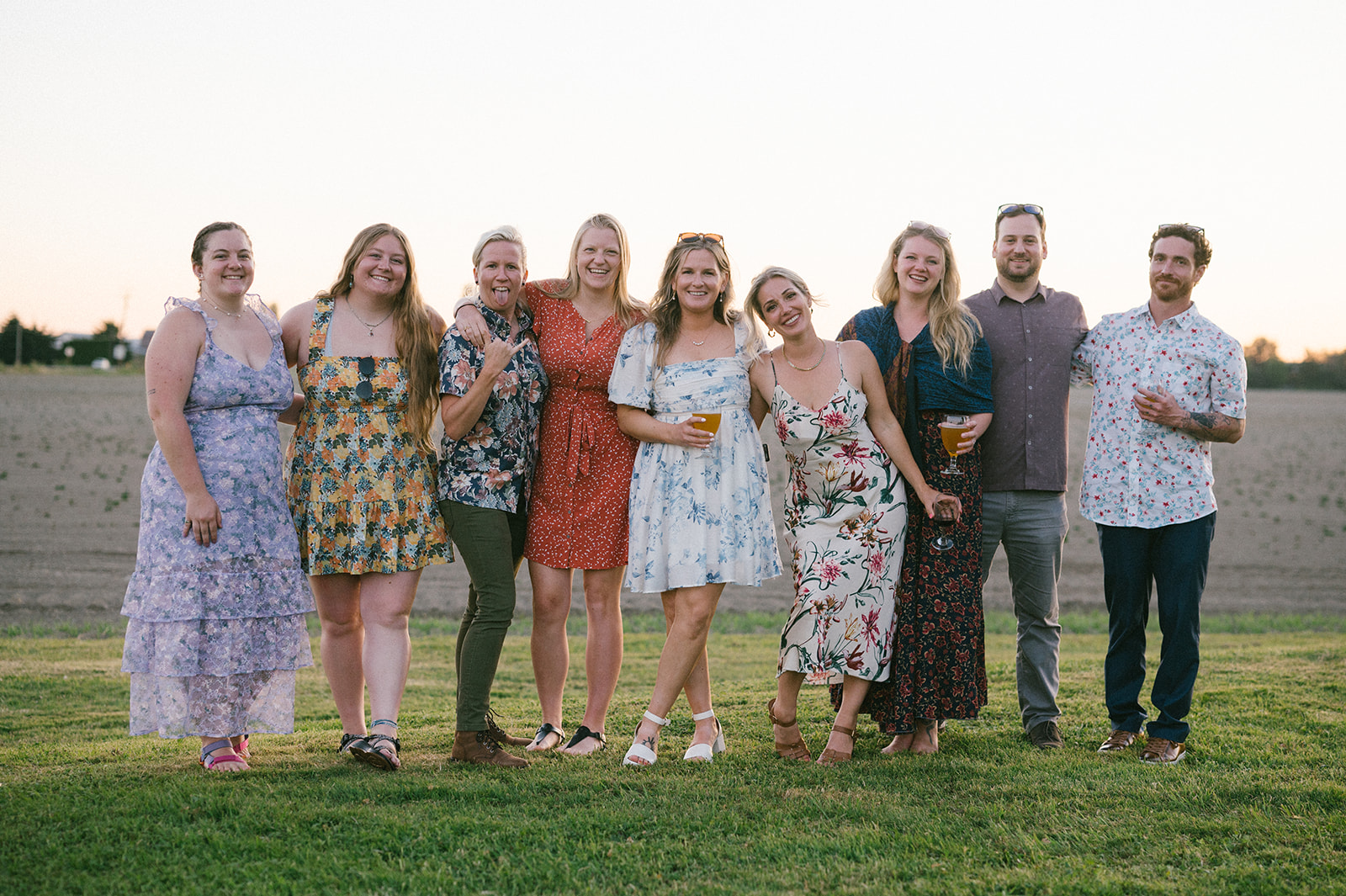
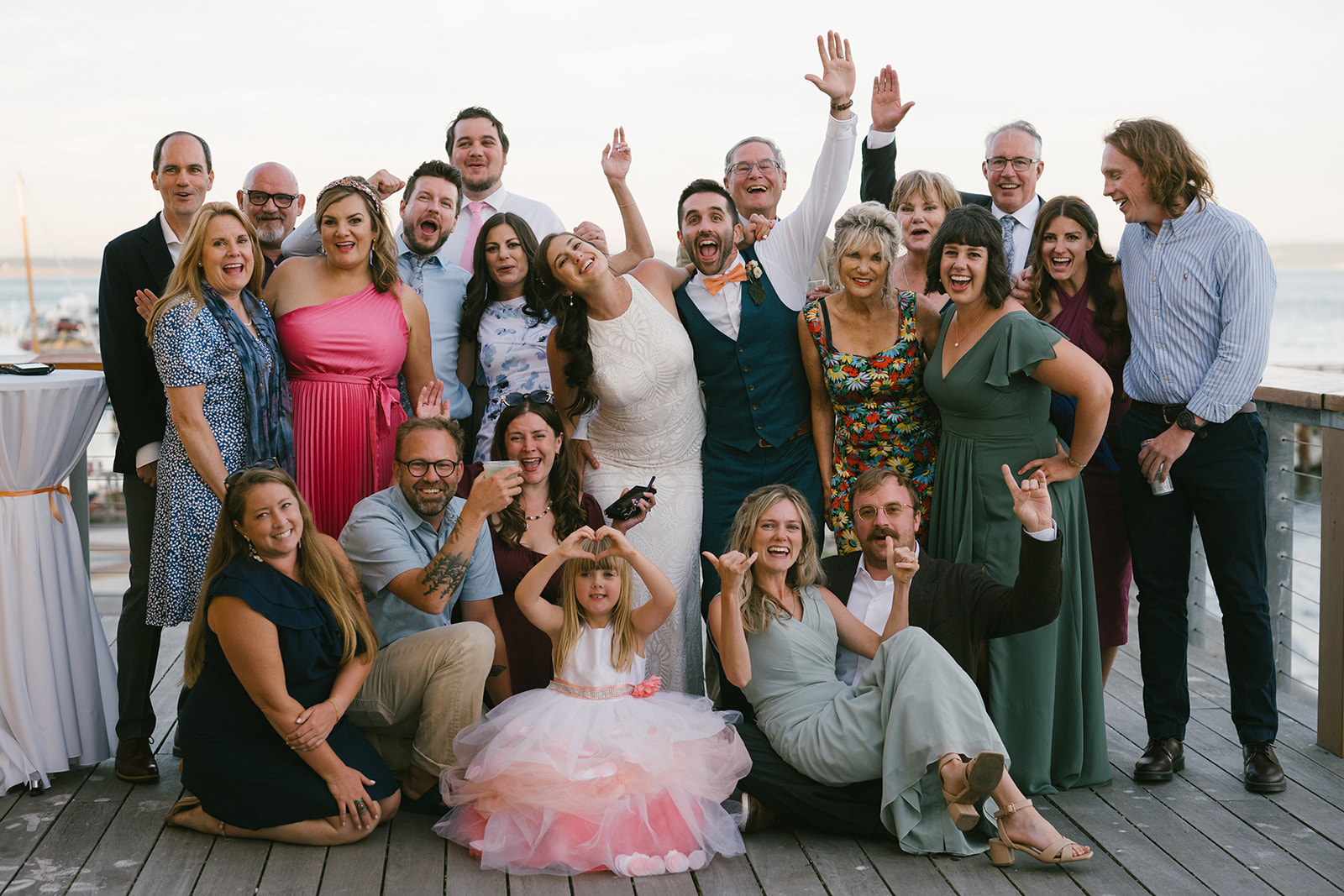
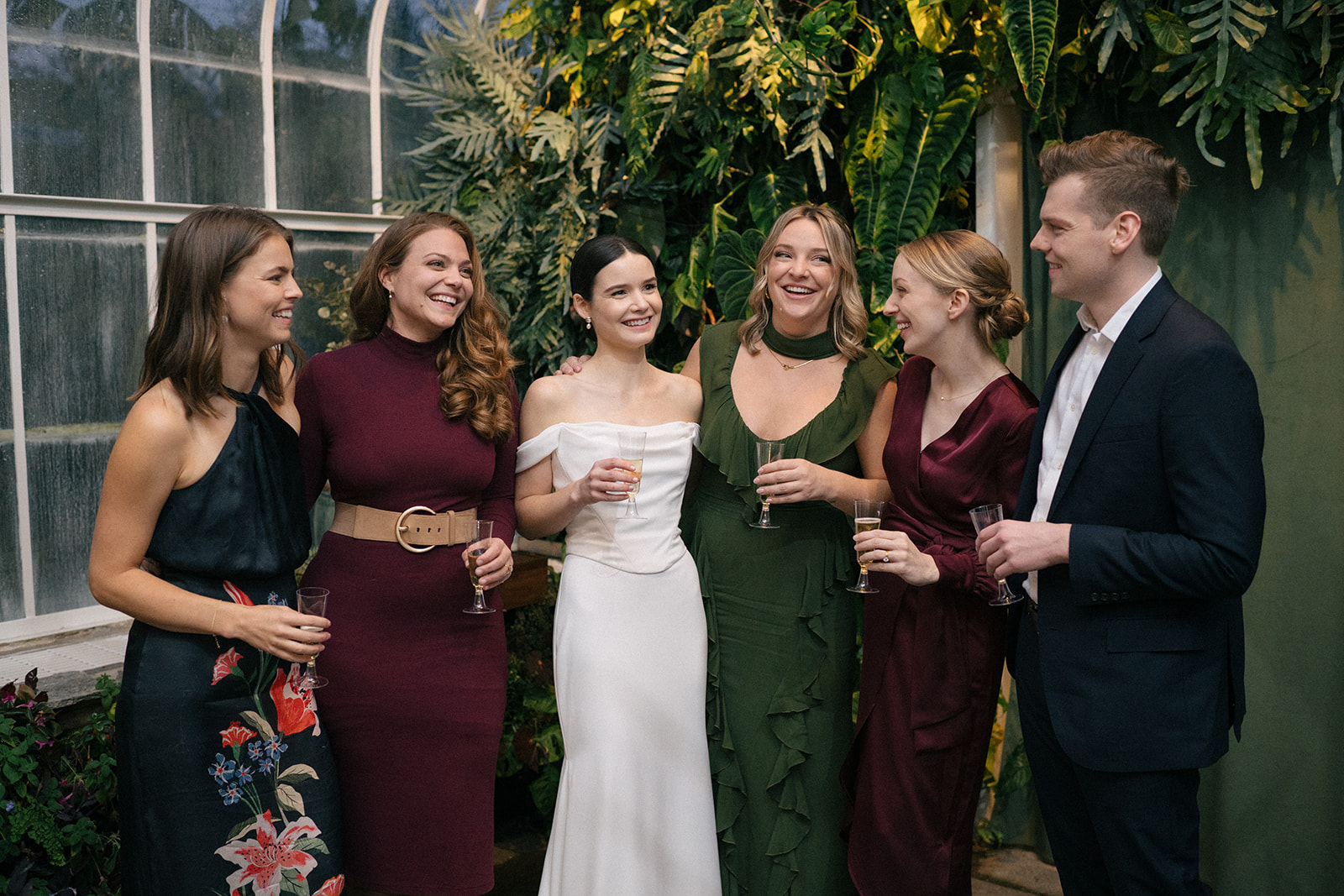
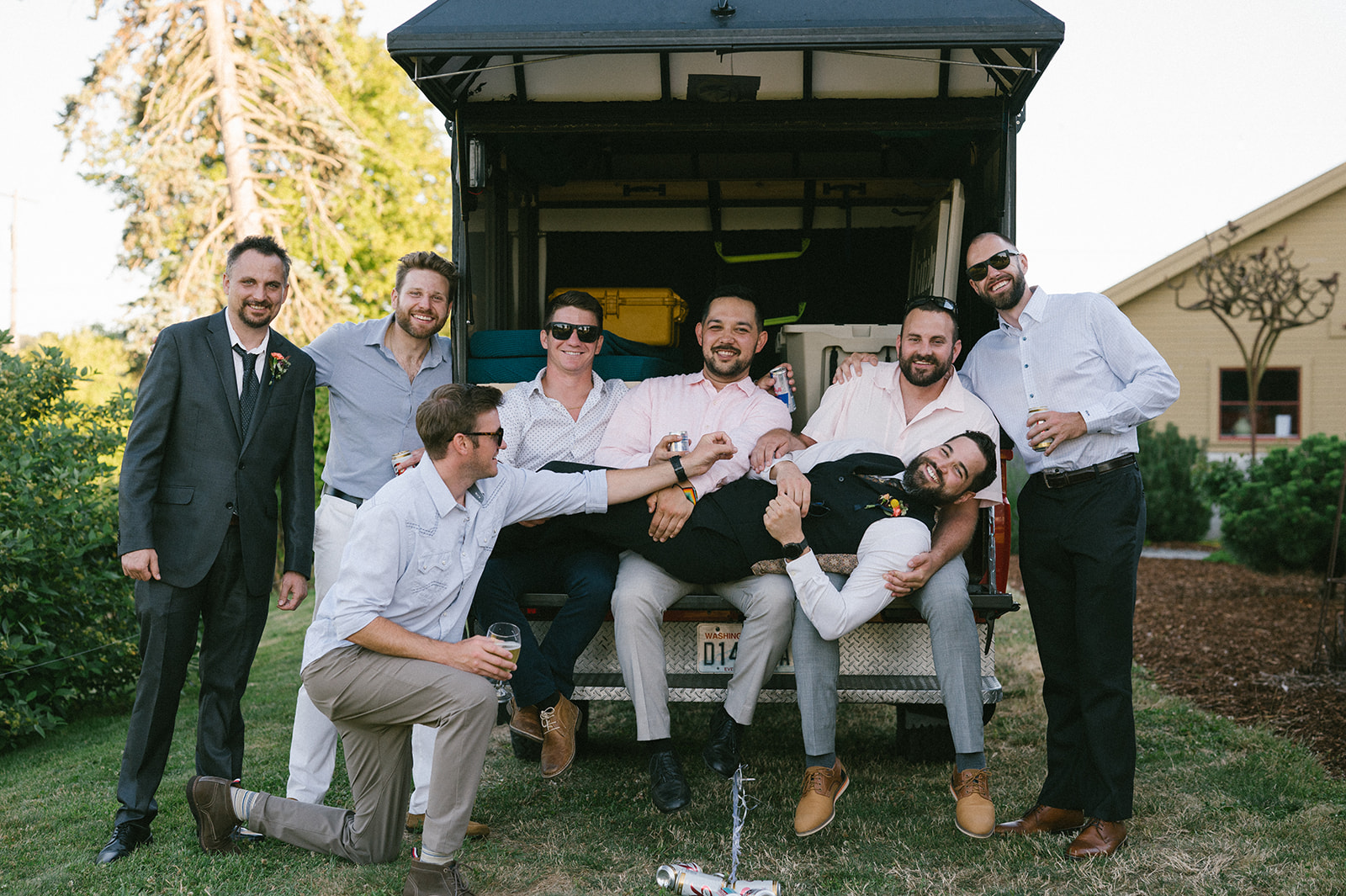
While your photographer is finishing up portraits, guests are arriving at cocktail hour. People are reuniting, laughing, and dancing before the reception even starts. Your grandmother is watching everything with that look on her face.
A second shooter is there for all of it. These candid, unposed moments — the ones that feel the most real — are often the photos that surprise and move couples most when they see their gallery. They’re also the easiest to miss when there’s only one photographer.
Reception Details Before Guests Arrive
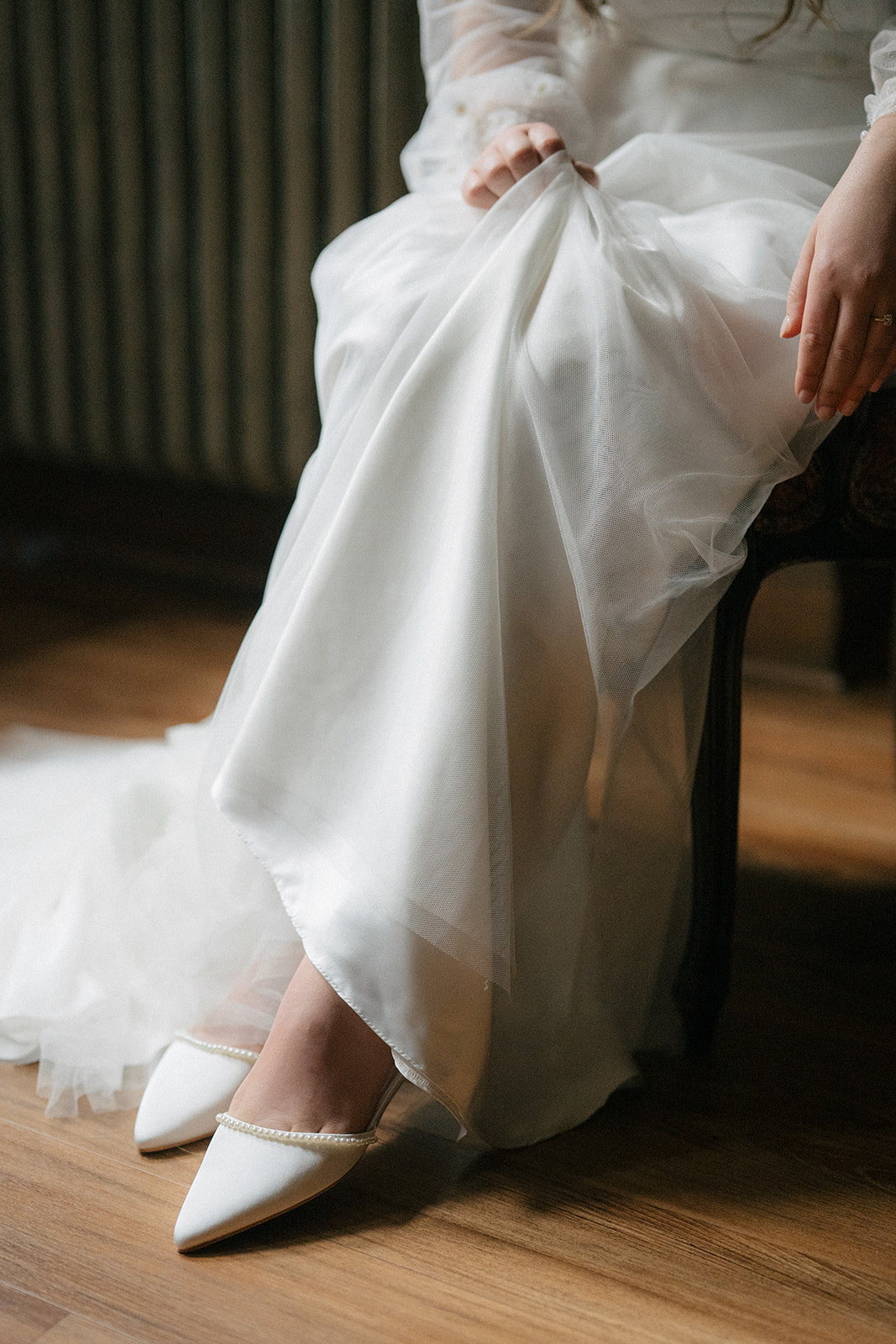
Right after the venue is set and before guests walk in, there’s a short window to photograph the florals, table settings, escort cards, cake, and the room’s overall ambiance. A second photographer can handle those detail shots while your lead finishes portraits or handles logistics — ensuring nothing gets skipped or rushed.
The Real Benefits of Hiring a Wedding Second Photographer
A Fuller, More Dimensional Gallery
Two photographers working simultaneously means more images and more variety. But it’s not just about quantity — it’s about depth. Your gallery feels layered rather than linear, capturing the emotional texture of your day from multiple vantage points at once.
Less Pressure on Your Photography Timeline
When you only have one photographer, every minute of the day requires a tradeoff. Portrait time competes with cocktail hour coverage. Getting-ready documentation competes with ceremony prep. A second shooter eases those constraints considerably, which often means a more relaxed timeline for you.
Greater Coverage at Larger Weddings
The bigger the guest list, the more that is happening at any given moment. With 150+ guests, there are simply more people to document, more interactions happening across more spaces. A second photographer dramatically improves the odds that your guests — and their moments — make it into your gallery.
Redundancy and Peace of Mind
Weddings move fast, and they don’t wait for anyone. If your lead photographer misses a moment, a second shooter often has it covered from another angle. For couples who place a high value on comprehensive documentation, that safety net is genuinely comforting.

When a Second Shooter Is Worth It
There’s no universal answer, but these are the situations where hiring a second photographer tends to make the most meaningful difference:
You have 100+ guests. More people mean more happening simultaneously. A second shooter helps ensure the breadth of your celebration gets documented.
You’re getting ready in separate locations. If both getting-ready experiences matter to you, a second shooter is almost essential.
Your wedding day spans 10+ hours. Long days are harder to cover comprehensively with one photographer. A second shooter helps maintain consistent coverage and quality throughout.
Your venue is large or has multiple spaces. When your cocktail hour, ceremony, and reception are spread across different areas, two photographers mean nothing gets left undocumented.
Your ceremony venue has photographer restrictions. Some churches or venues limit where photographers can stand. A second shooter positioned in another allowable location can capture angles that your lead simply can’t access.
Comprehensive coverage is a top priority for you. If your wedding photos are something you’ve put serious thought and intention into, a second shooter is one of the most direct investments you can make.
When One Photographer Is Genuinely Enough
A second shooter isn’t the right call for everyone — and there’s nothing wrong with that.
Smaller, intimate weddings. With 50 guests or fewer, one skilled photographer can realistically cover everything that matters without missing much.
You want a quieter, less camera-heavy atmosphere. If you feel more natural and at ease with a lower-key presence, two photographers might actually work against you. The best photos come when you’re comfortable — and if you’re camera-shy, that matters.
Either you’re getting ready in the same space, or you’re skipping it. If the getting-ready split isn’t a concern, one of the main arguments for a second shooter goes away.
You prefer a distilled, curated gallery. Some couples genuinely prefer a focused, edited set of images to a large one. One highly experienced photographer, working with intention, can absolutely deliver a beautiful, complete story.
Questions to Ask Your Photographer Before Deciding
If you’re still on the fence, bring these questions to your photographer — their answers will tell you a lot:
- Who would you bring as a second shooter? Experience level and shooting style matter. You want consistency across your gallery.
- Have you worked with this person before? Photographers who have an existing working relationship tend to produce more cohesive results.
- What would coverage realistically look like without a second shooter on my specific wedding day? A good photographer will give you an honest answer here, not just a sales pitch.
Frequently Asked Questions About Wedding Second Shooters
How much does a second shooter cost? Second shooter fees vary by photographer and region, but typically fall between $300 and $800, added to your photography package. Some photographers include a second shooter in higher-tier packages.
Is a second shooter the same as a photography assistant? No. A photography assistant helps with gear, lighting, and logistics, but typically doesn’t shoot. A second shooter is actively photographing your wedding throughout the day.
Will the second shooter take portraits of us? Usually not as their primary role — that’s your lead photographer’s domain. The second shooter focuses more on candids, alternate angles, and simultaneous coverage.
Will we get all the photos from both photographers? Yes, in most cases. Both photographers’ images are combined into a single, unified gallery delivered by your lead photographer.
Do I need a second shooter for an outdoor wedding? Outdoor weddings with multiple spaces (separate ceremony and reception areas, large grounds, etc.) often benefit from a second shooter. For smaller outdoor celebrations, it’s less critical.
How do I know if my ceremony venue needs a second shooter? Ask your photographer to review your venue layout before deciding. Venues with restricted shooting positions, multiple rooms, or large grounds are where a second shooter tends to add the most value.
The Bottom Line: How to Make the Decision
Here’s the simplest way to think about it: a second shooter is worth it when the scale or structure of your wedding makes it genuinely hard for one person to be in all the places that matter to you.
If you have a large guest list, a split getting-ready situation, a long day across multiple spaces, or you simply want the most complete visual record possible, it’s a strong investment. If your wedding is intimate, you value simplicity, or you prefer fewer cameras in the room, one incredible photographer is enough.
There’s no wrong answer. The best photography coverage is the kind that actually fits your wedding and feels right for you.
Still not sure? Have an honest conversation with your photographer. They know your specific venue, timeline, and guest count — and a good one will tell you what they genuinely recommend, not just what adds to the invoice.
📌 Related: How to Build a Wedding Day Timeline for the Best Photography Coverage
Want more planning guidance? Explore my curated wedding resources for thoughtful, practical insights to help you approach your celebration with ease.

Absolutely fantastic tips. Thank you!