
A Slower, Calmer Approach to Your Wedding Day Timeline
How to Create a Relaxed Wedding Timeline for a Joyful Celebration
Let’s be honest: most couples are expected to plan one of the biggest days of their lives without having ever planned a large event before. You might not have been to many weddings. You probably don’t know how long a receiving line actually takes, or how much buffer to build around family photos, or why every timeline you’ve seen online seems to leave you feeling like you’d be sprinting from one thing to the next all day.
That’s not a personal failing — it’s just the reality of wedding planning. There’s no handbook that comes with the engagement ring. You’re supposed to suddenly become an expert in event logistics, vendor coordination, and crowd management, all while also being emotionally present for one of the most meaningful days of your life. No pressure.
The result? Timelines that are packed too tightly, with no room for a hug that runs long, a bustle that takes forever to button, or the simple fact that moving a group of people from one place to another always takes longer than you think.
A relaxed wedding timeline — one that’s built around how weddings actually work — is one of the most impactful things you can do for your wedding day experience. This isn’t about throwing your wedding process out the window or winging it. It’s about building in the right kind of breathing room so that when things shift (and they will), you’re not unraveling.
Whether you’re deep in wedding planning or just starting to map out how your day might flow, this guide will walk you through how to build a wedding day schedule that feels good from start to finish.
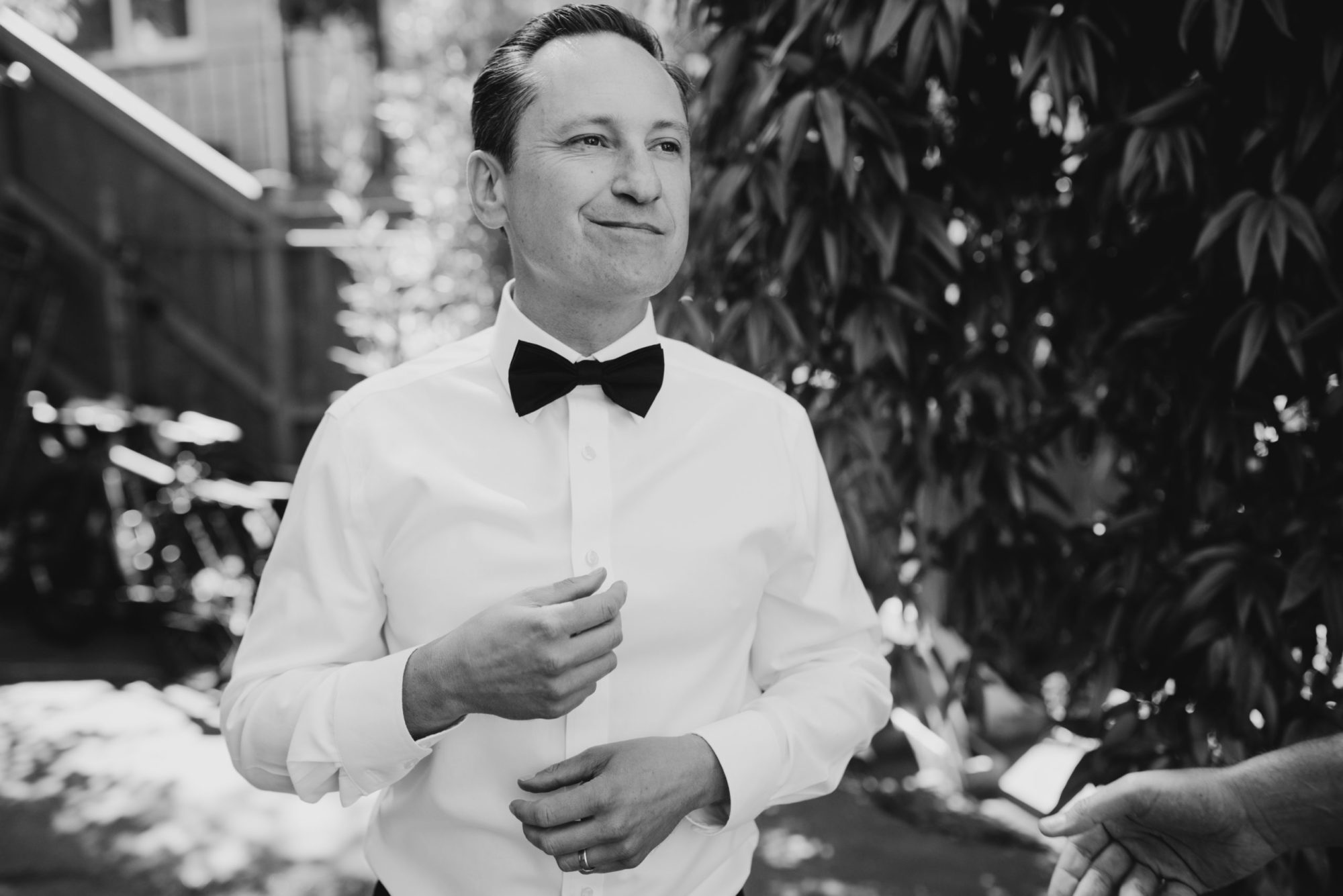
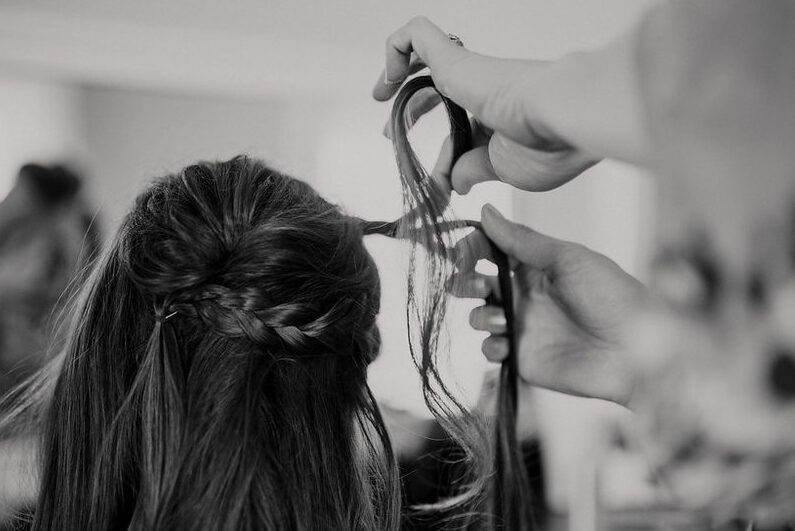
Why Your Wedding Timeline Matters More Than You Think
Wedding planning involves a lot of decisions that feel enormous — venue, dress, flowers, food — and the timeline often gets treated as an afterthought. Something to fill in once everything else is confirmed.
But your timeline is the skeleton of your entire day. It determines whether you feel calm or chaotic, present or stressed, joyful or exhausted. A beautifully designed wedding with a poorly built timeline will still feel like a lot. A simple wedding with a thoughtfully built timeline can feel absolutely magical.
The wedding schedule that works best isn’t the most detailed one — it’s the most realistic one. It accounts for the human stuff: the emotion, the logistics, the fact that your grandma moves a little slower than your college roommate, and that you will absolutely need five minutes to breathe before you walk down the aisle.
The goal of this guide is to help you build that.
Start Your Morning with Intention
Your wedding morning sets the tone for the rest of the day, and it deserves more attention than most couples give it.
The instinct is often to pack the morning as full as possible — early call times, back-to-back hair and makeup, mimosas and chaos from the jump. And while that energy can be fun, it also means you arrive at your ceremony already a little frazzled.
If your wedding day schedule allows, sleep in. Seriously. Rest is often underrated as a wedding-planning tool. A well-rested version of you is a more present, more joyful, more emotionally available version of you — and that matters on a day when you’re going to feel a lot of feelings.
If an early start is unavoidable, carve out some quiet moments before the getting-ready process kicks into full gear. Sip your coffee slowly. Eat a real breakfast — not just a mimosa and a prayer. Take ten minutes to sit with your thoughts before the room fills up with people, energy, and excitement.
These quiet moments aren’t wasted time. They’re an investment in how you’ll feel standing at the altar.
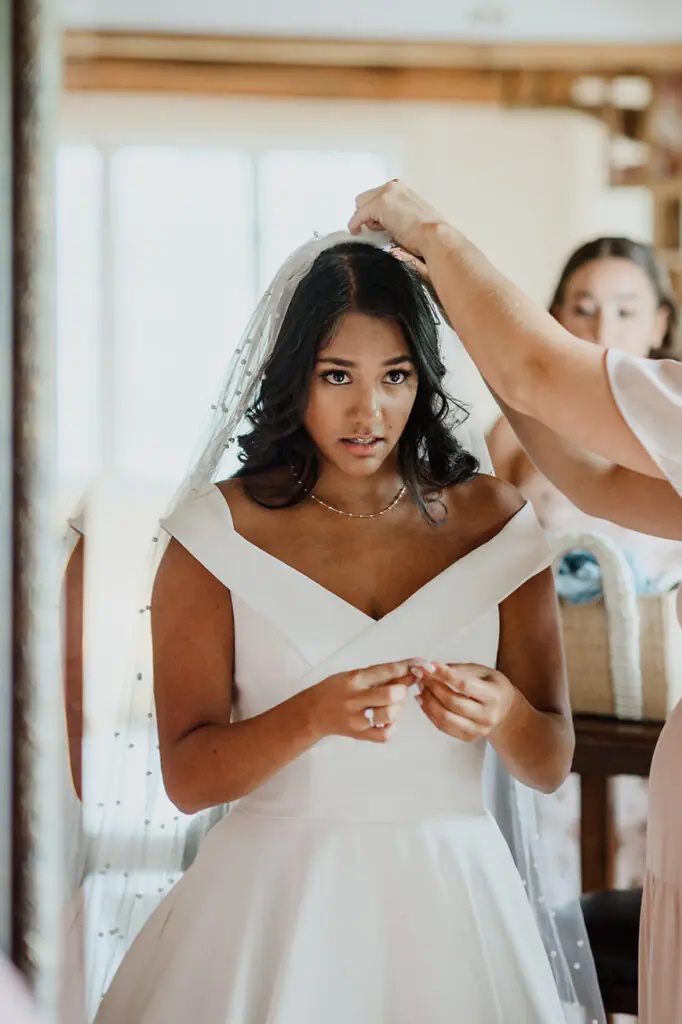
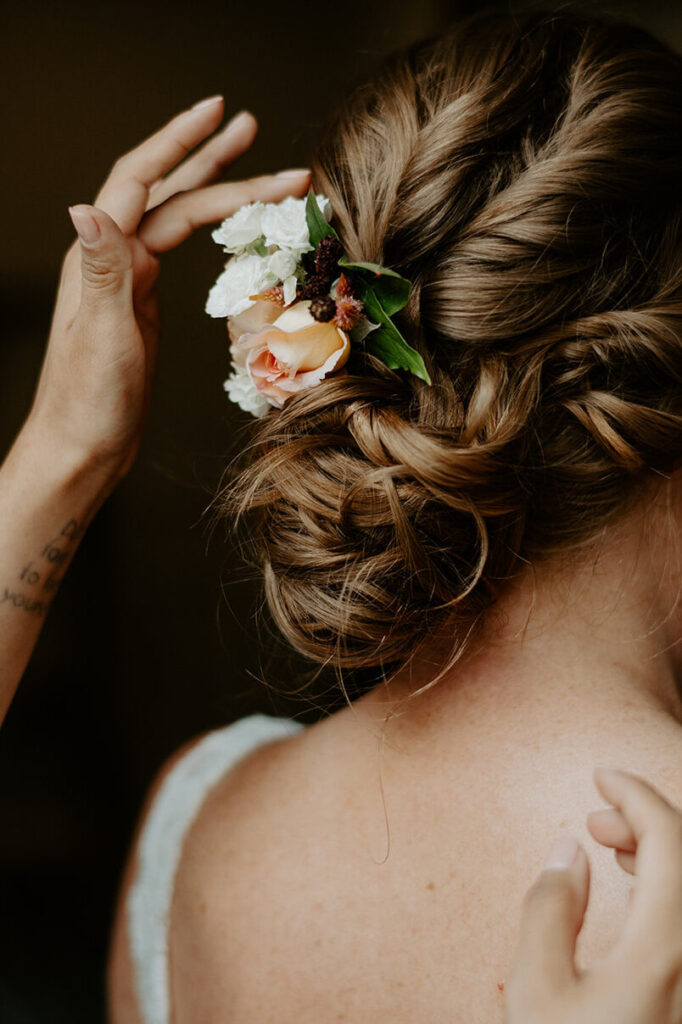
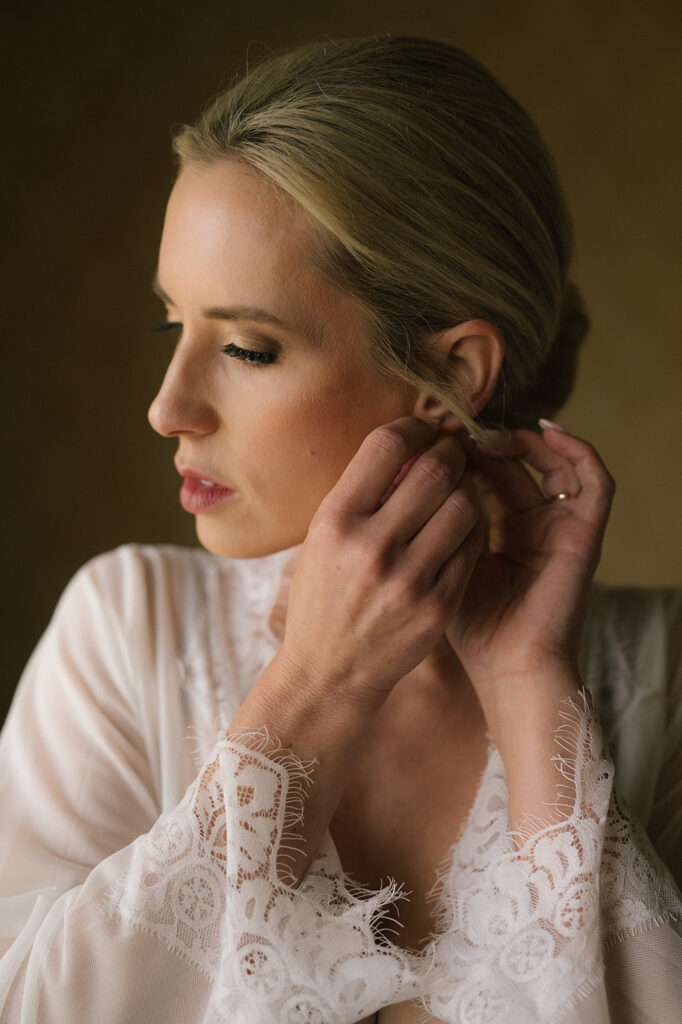
Overestimate Time for Hair and Makeup
If there is one place in your wedding-day schedule where couples consistently underestimate the time, it’s hair and makeup. Every single time.
Here’s what the typical timeline doesn’t account for: touch-ups, the bridesmaid who needs a little extra time, the trial look that needs slight adjusting on the day, the photographer arriving and wanting to capture getting-ready details, someone spilling something, and the simple fact that getting a group of people camera-ready is a production.
Build in more time than your stylist quotes you. If they say two hours, plan for two and a half. If multiple people are getting their hair and makeup done, work backward from when you need to be dressed and add a generous buffer.
The extra time won’t go to waste — at worst, you’ll be ready early and have a few calm minutes before the chaos of the day picks up. At best, it’ll absorb a delay without anyone feeling the pressure.
Getting ready is also one of the most photographed parts of the day. The details, the laughs, the quiet moments of people helping each other — this is stuff worth slowing down for. Give your morning room to breathe, and you’ll have photos that actually reflect how the day felt, not just how it looked.
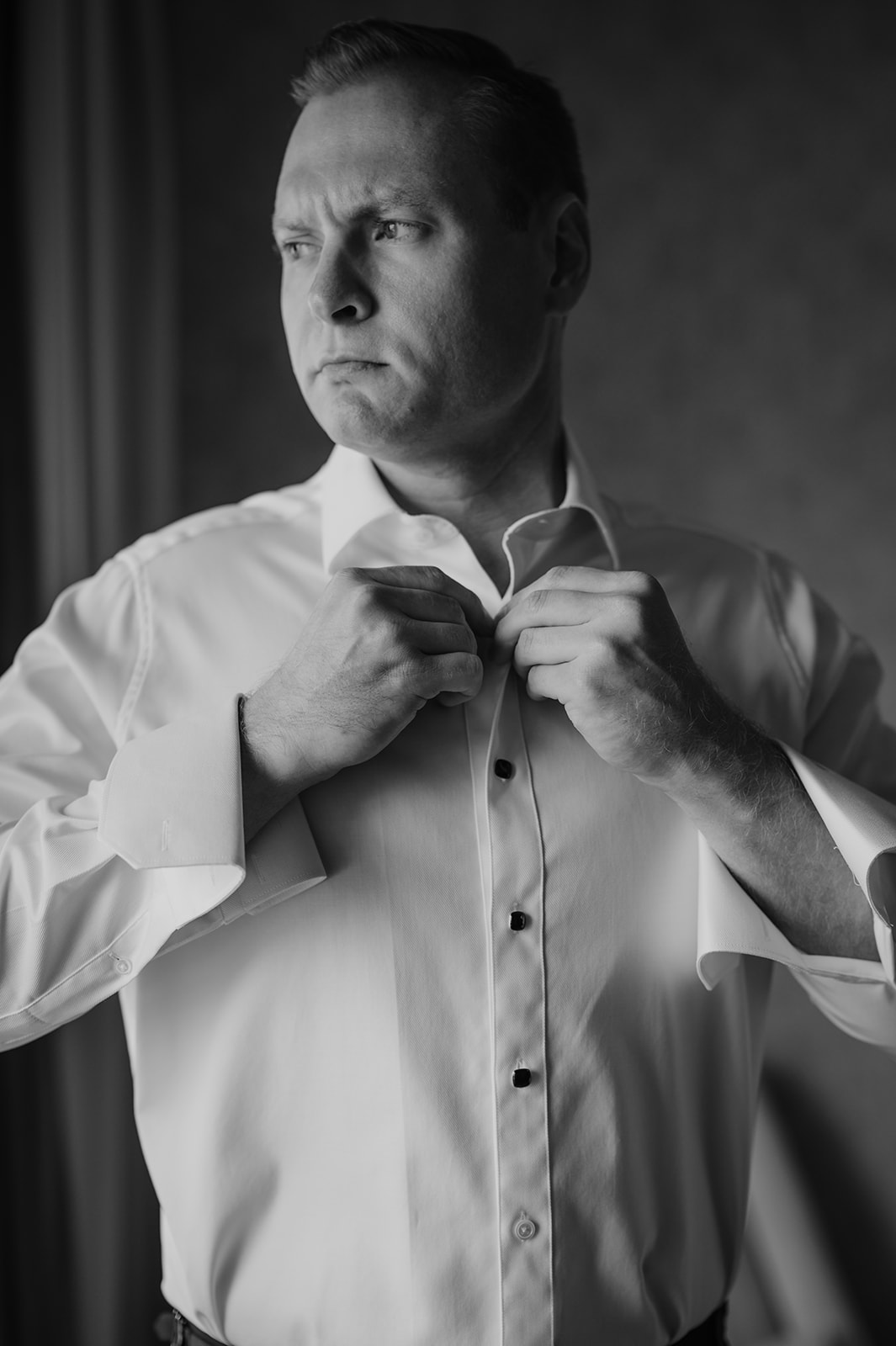
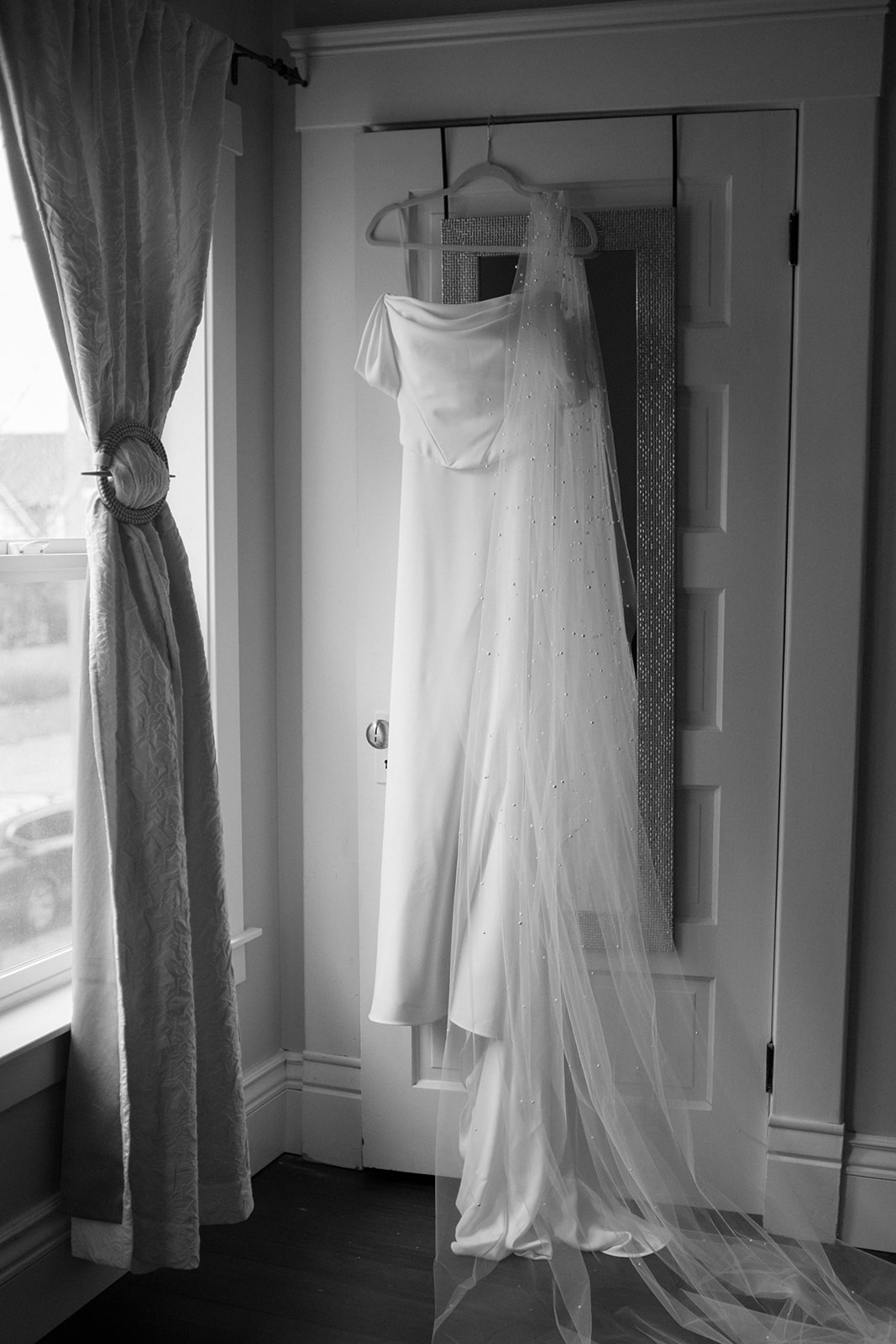
Consider a First Look or Getting Ready Together
One of the most effective things you can do for your overall wedding day timeline — and for your nerves — is to plan a first look or spend part of your getting-ready time together.
Traditionally, couples don’t see each other until the ceremony. And if that feels meaningful and important to you, absolutely keep it. But if you’re open to alternatives, a first look can genuinely transform how your day flows.
Here’s why: by the time you’ve had that private moment with your partner — just the two of you, before everything officially begins — you’ve already reconnected. The nerves settle. You remember what the day is actually about. And then when you walk down the aisle, you’re not experiencing the full emotional weight of seeing each other for the first time in front of a hundred people. You’re just walking toward someone you already feel close to.
From a pure wedding-process standpoint, a first look also frees up a huge chunk of your portrait time before the ceremony. That means your cocktail hour can actually be a cocktail hour — one where you’re present and mingling with your guests instead of taking photos.
Getting ready together is another option that more couples are choosing, especially for elopements and micro weddings. There’s something really lovely about starting the day side by side, helping each other get dressed, and experiencing the morning as a unit rather than separately with your respective wedding parties.
Schedule Ample Time for Photography
How long does it take to plan a wedding’s photography timeline? Longer than most people think — and that’s okay, as long as you plan for it.
As a photographer, I always recommend that couples have me arrive at least three hours before the ceremony. That might sound like a lot, but here’s where that time goes:
Getting ready coverage — details like rings, shoes, invitations, and florals, plus the actual process of getting dressed and those candid moments with your people.
First look or pre-ceremony portraits — if you’re doing a first look, this is when we’ll do your couple portraits and wedding party photos.
Family formals — group shots with immediate family, extended family, and any combinations that matter to you.
For family photos specifically, plan on two to three minutes per grouping. That sounds fast, but with a shot list and good communication, it’s very doable — and it keeps things moving so nobody’s standing around waiting.
One thing I always recommend: do your family formals before the ceremony if at all possible. Getting everyone together after the ceremony, when people are excited, scattered, and heading toward the bar, is like herding very well-dressed cats. Before the ceremony, people are in one place, they’re a little more focused, and it moves quickly.
A good photographer will help you build your timeline, not just show up and shoot whatever happens. If you’re in the early stages of wedding planning and haven’t thought about the photography timeline yet, bring it up with your photographer as early as possible. It shapes everything else.


Plan a Post-Ceremony Snack Break
This is the tip that sounds the least glamorous and is somehow the most important: eat something after your ceremony.
Weddings are long. The morning is busy, and breakfast feels like a long time ago. You’ve just been through one of the most emotionally intense experiences of your life. Dinner is still hours away. And yet, the post-ceremony moment is exactly when most couples get swept into photos, congratulations, and cocktail hour without stopping to eat a single thing.
The result is a couple who hits the reception running on empty, which isn’t the vibe you want for the dancing portion of your evening.
Ask your coordinator, a trusted bridesmaid, or your catering team to set aside a small snack plate for you immediately after the ceremony. Keep it simple — things that travel well and don’t require utensils. Some of my favorites to suggest:
- Mixed Nuts or Trail Mix
- Pretzels
- Popcorn Snacks
- Granola or Protein Bars
- Dried Fruit Snacks
- Squeezable Fruit or Applesauce Packets
- Veggie Straws
- Nut Butter Packets
- Fruit Cups
Even five minutes to eat something real will make a noticeable difference in how you feel for the rest of the day. Your future self will thank you.
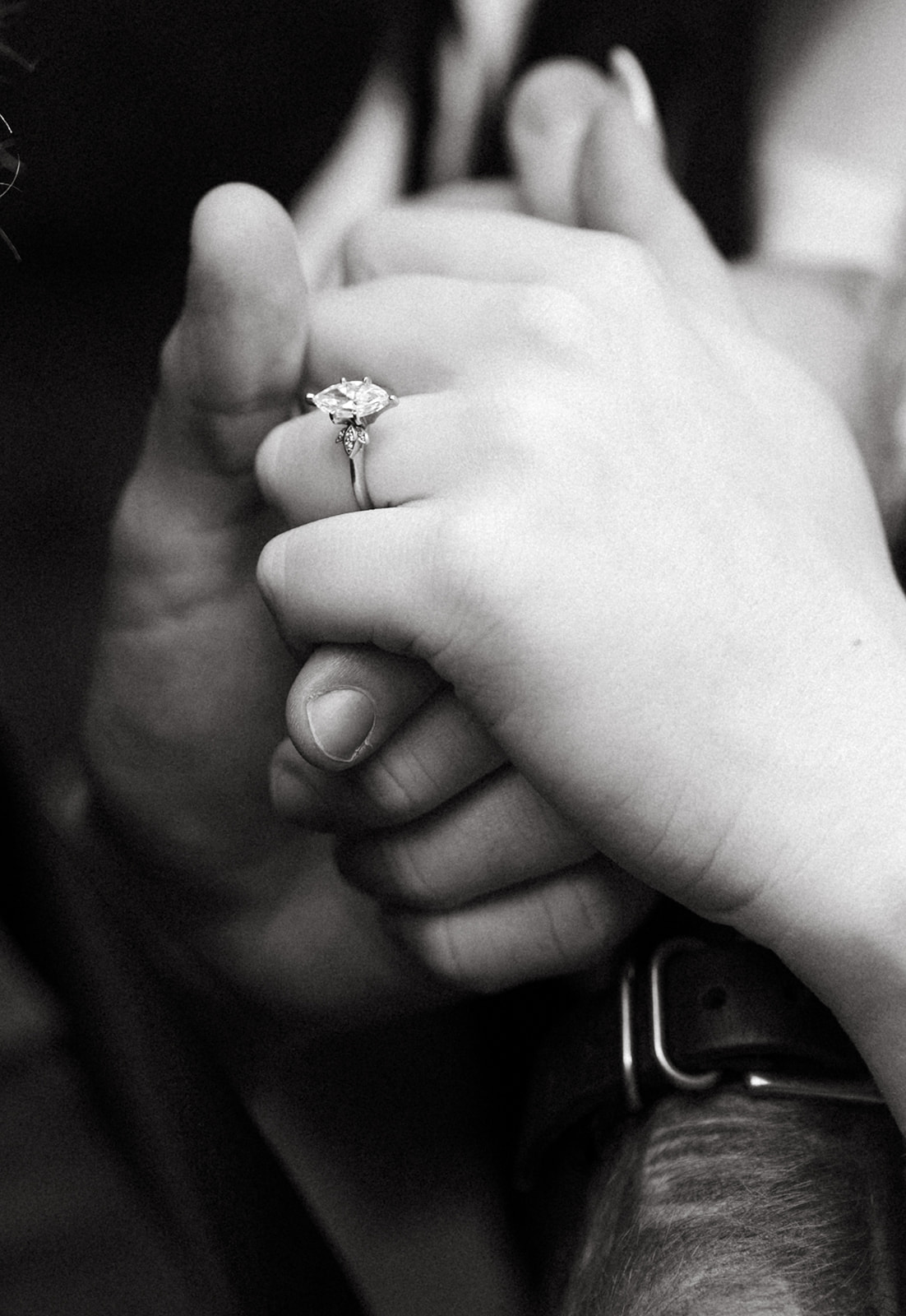
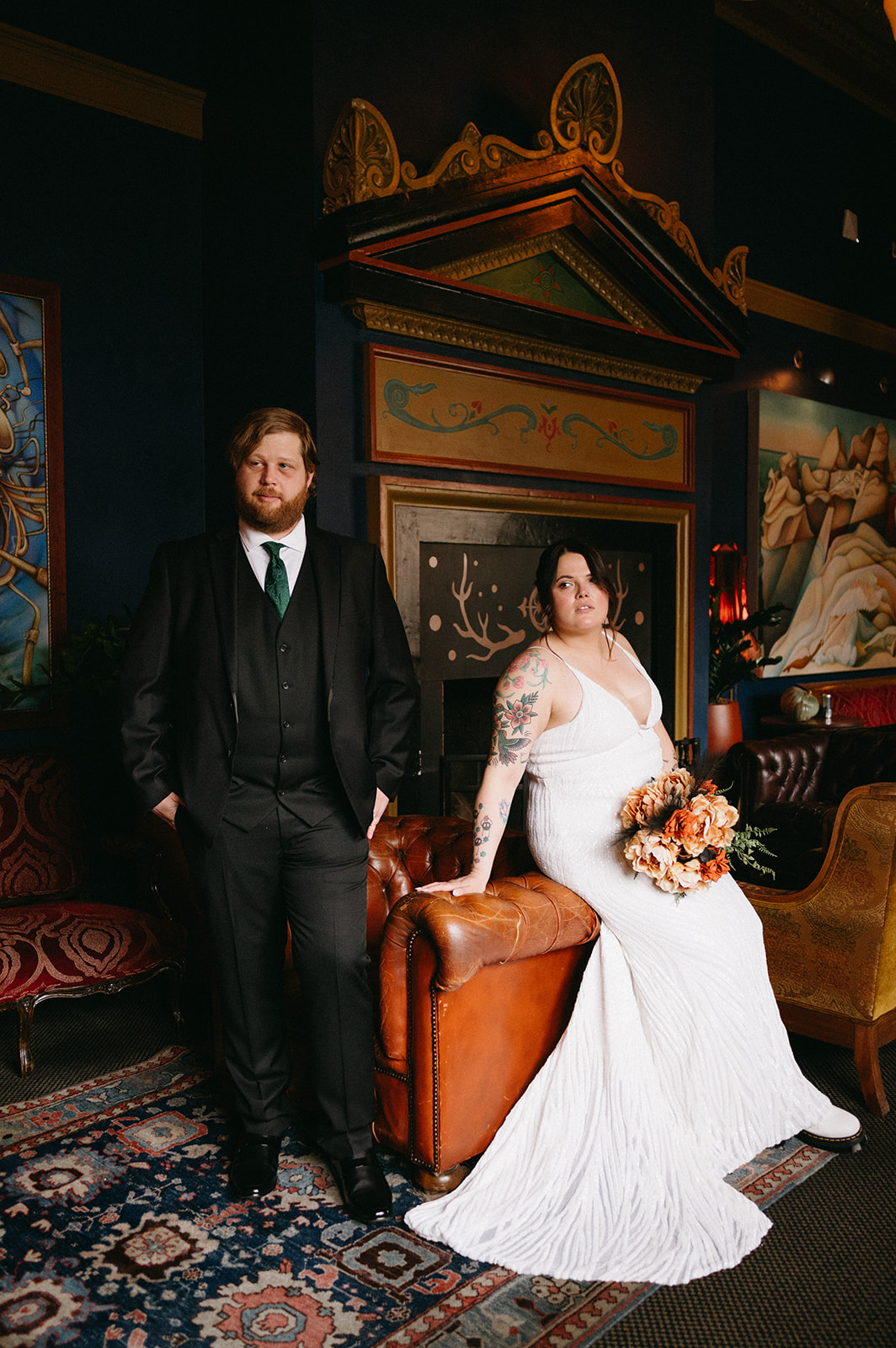
Be Present for Your Guests
Here’s something that doesn’t always make it into wedding planning advice but absolutely should: don’t disappear before your ceremony.
The traditional model has couples tucked away — out of sight, keeping the “big reveal” energy going until the processional. And while there’s a certain romance to that, it also means you miss a lot. The cocktail hour buzz. The guests who traveled far to be there. The candid, joyful moments that happen when people who love you are all in one place together.
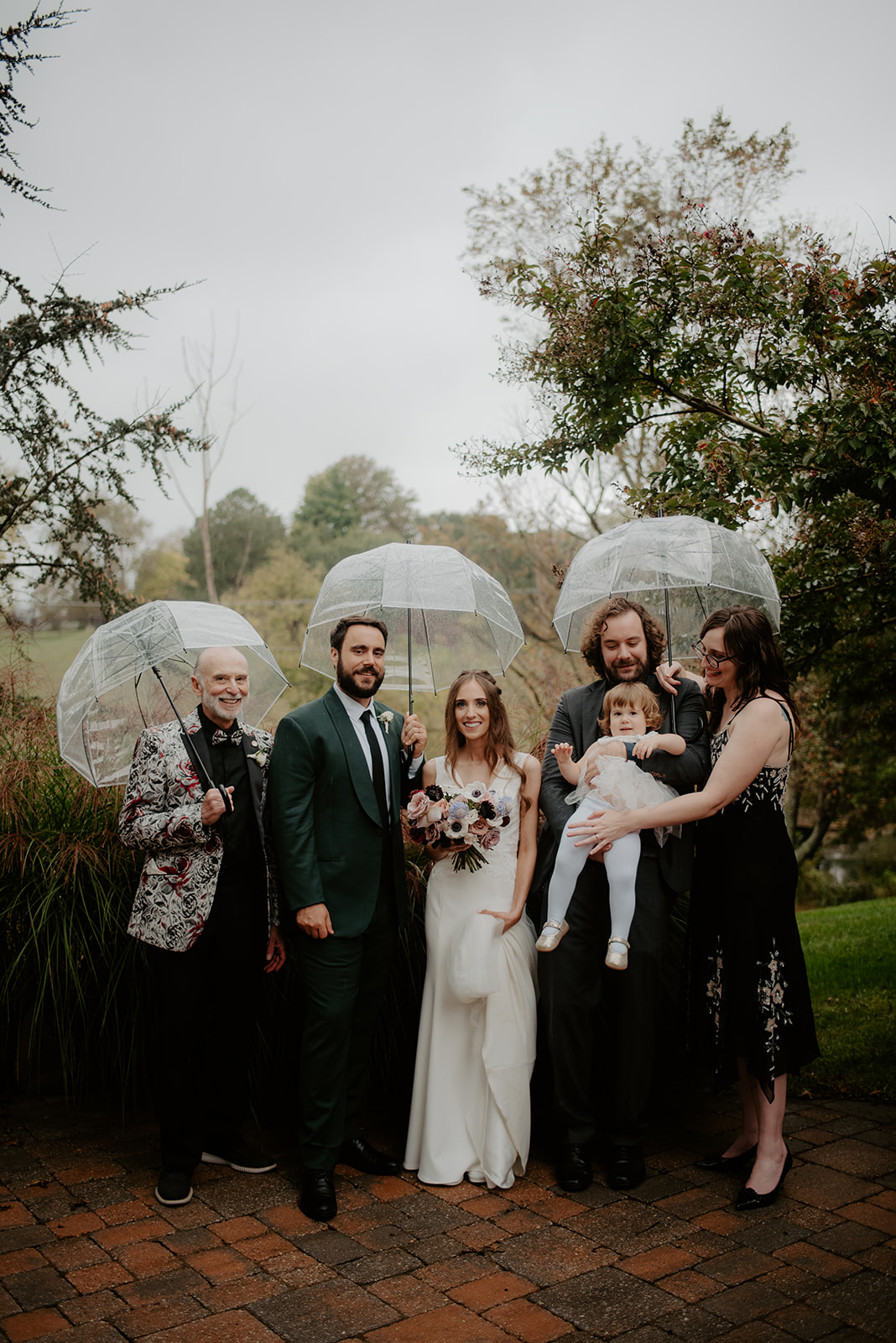
If you’ve already done a first look and your portraits are taken care of, consider spending part of the pre-ceremony time greeting guests as they arrive. Mingle. Hug people. Be part of the atmosphere you’ve spent months creating.
This does a few things: it warms up the room, it makes guests feel seen and welcomed, and it puts you in a genuinely happy headspace going into the ceremony. You’re not waiting anxiously in a back room — you’re already celebrating.
It also means you end up in more of those candid, beautiful photos instead of appearing only in the posed ones. The photos of you laughing with your college friends during cocktail hour, or hugging your grandparents before the ceremony — those end up being some of the most treasured images from the day.
And practically speaking, if you want your guests dancing later, get out there first. People take their cues from the couple. If you’re on the dance floor, they’ll follow.
Rethink the Order of Events
Who says the wedding process has to follow the exact same order it always has?
Traditional wedding schedules look something like this: ceremony, cocktail hour, reception, dinner, dancing, done. And that structure works great — there’s a reason it’s the default. But it’s worth knowing that it’s a default, not a rule, and that shifting the order of events can dramatically change how your day feels.
Some ideas worth considering:
Move family photos to before the ceremony. As mentioned above, this frees up your cocktail hour and means your guests won’t have to wait around while you finish portraits.
Do your first dance before dinner, not after. This gets the dancing started earlier, when everyone has more energy, and keeps the dance floor busy longer.
Serve dinner in courses throughout the evening rather than one long dinner block. This keeps energy up and avoids that post-dinner lull where everyone deflates.
Start with a cocktail hour, then the ceremony, then the reception. This is less common but works beautifully for certain venues and vibes — guests arrive, relax, and by the time the ceremony starts, everyone is warm and happy.
The point isn’t to be different for the sake of it — it’s to build a wedding day schedule that actually serves your day. Talk to your photographer, coordinator, and venue about what’s worked well and what’s felt rushed in their experience. They’ve seen a lot of weddings and have good instincts about what flows.
Communicate Your Timeline to Everyone Who Needs It
A relaxed wedding timeline doesn’t just happen — it’s planned, communicated, and then protected.
Once you have a timeline you feel good about, get it into the hands of every vendor and key person who needs it. Your photographer. Your coordinator. Your officiant. Your wedding party. Your immediate family. Anyone who has a role in how the day unfolds should know what that role looks like and when.
For your wedding party and family specifically, I’d recommend sending a timeline a week or two before the wedding — not the day before, when people are already in travel mode and distracted. Give them time to read it, ask questions, and actually absorb the information.
Build in buffer time between major transitions. If portraits are supposed to start at 3:00, tell people 2:50. If dinner is at 6:30, build your timeline as if it’s 6:15. These small cushions add up, and they’re what keep a relaxed timeline from becoming a stressed one when something — inevitably — runs a few minutes long.
The couples who feel the most at ease on their wedding day are almost always the ones who did the work of communicating clearly beforehand. The timeline isn’t a constraint — it’s what creates the freedom to actually be present.
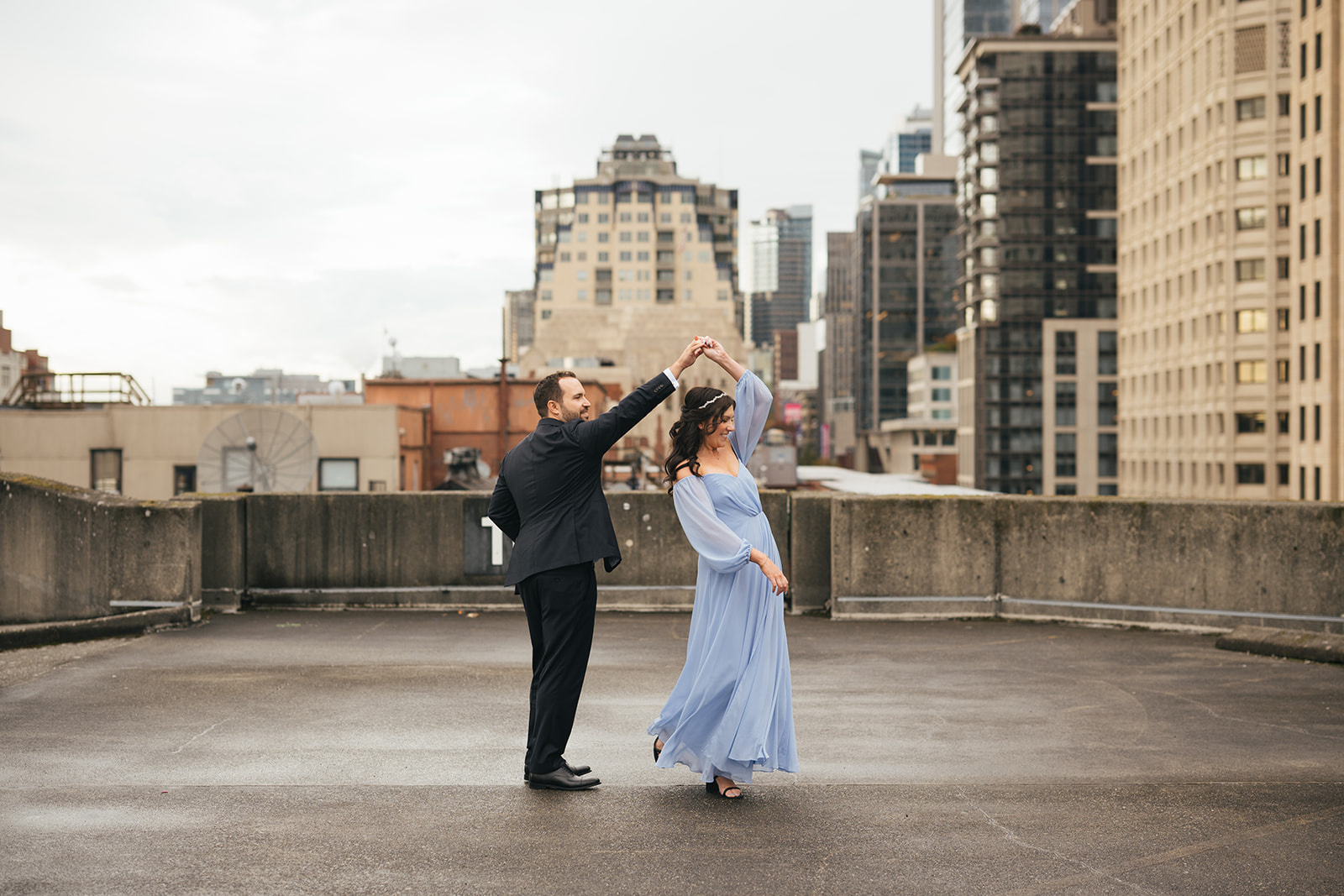
How Long Does It Take to Plan a Wedding Timeline?
If you’re wondering how long it takes to plan a wedding in general, the honest answer is: longer than you think, and that’s okay. Most couples spend a year or more on wedding planning, and the timeline often comes together in the final few months once all your vendors are confirmed.
Here’s a rough guide for when to tackle your timeline:
6+ months out: Book your vendors and get a sense of how long each element of the day will take. Ask your photographer, caterer, and coordinator for their input early.
3 months out: Start drafting a full wedding day schedule. Share it with vendors and get their feedback.
6–8 weeks out: Finalize your timeline and send it to vendors and the wedding party.
1–2 weeks out: Send a simplified version to family members with just the information they need (when to arrive, where to be, what to expect).
For small weddings specifically — if you’re planning a small wedding — your timeline can be simpler and more flexible than that of a large traditional wedding, but it still needs to exist. Even intimate celebrations benefit from a loose structure that everyone understands.
The Bottom Line
Your wedding day is about celebrating love, not managing logistics. But the beautiful irony is that good logistics are exactly what creates the space for the love part to shine.
A relaxed wedding timeline gives you room to cry happy tears without feeling like you’re falling behind. It gives your guests time to settle in and connect. It gives your photographer time to capture the real stuff — not just the scheduled stuff. And it gives you and your partner space to actually experience the day rather than just survive it.
You don’t have to figure all of this out alone. A good photographer will help you build a timeline that works. A coordinator will protect it. And the more intentional you are about how your day flows, the more it will feel the way you always imagined it would.
Planning a wedding and looking for a photographer who will help you build a timeline that actually feels good? Contact me here — I’d love to be part of your day.
